

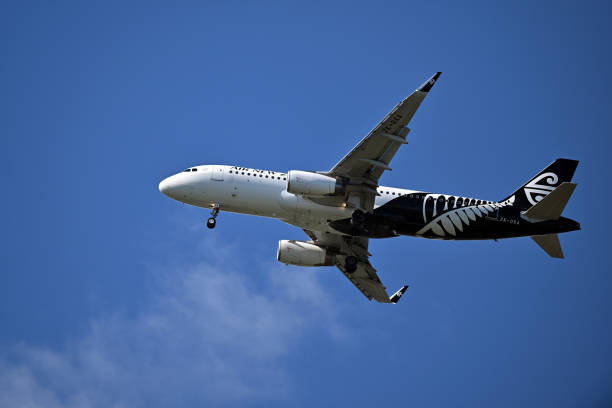
Air New Zealand is tweaking its fares and could adjust pricing and schedules further amid “extreme volatility” in the jet fuel market triggered by the Iran conflict.
The airline noted that jet fuel prices have surged in recent days—from US$85–90 per barrel (NZ$143.47–151.91) to US$150–200 (NZ$253.18–337.50).
Air New Zealand also said it will suspend its earnings guidance “until fuel markets and operating conditions stabilise,” deeming it “no longer appropriate” amid shifting market dynamics.
Air New Zealand shares plunged 7.84% just recently, falling from 51c at the 10 am market open to 47c at close. It also posted a $59 million pre-tax loss last month, blaming ongoing volatility from global engine maintenance issues and sluggish domestic demand recovery.
Air New Zealand had previously forecast second-half earnings to align broadly with—or sit “modestly below”—the first half. It now warns that the fuel price crisis will “meaningfully affect” those results, which face “material uncertainty” from engine return schedules, compensation timing and scale, and volatility in key input costs and demand.
In response, the airline is advancing cost-cutting measures “expected to partially offset these pressures.”
Air New Zealand is 83% hedged against Brent crude for the second half of FY2026, though it remains vulnerable to crack spread fluctuations.
“Jet fuel pricing is made up of two elements: Brent crude (the underlying crude oil price) and the crack spread, which is the refinery margin (the difference between crude oil and the price of refined jet fuel),” Air NZ said.
“Since the conflict began, the crack spread has also been particularly volatile, widening from approximately US$22 (NZ$37.13) per barrel before the conflict to as high as US$115 (NZ$194.10) per barrel.”
The airline estimates its fuel consumption for the rest of the financial year (March–June) at about 2.9 million barrels.