

China’s economy has delivered a robust start to the year, growing faster than forecasters anticipated despite the ongoing U.S.-Israel conflict with Iran roiling global energy supplies.
Official data from the National Bureau of Statistics shows gross domestic product expanded by 5.1 per cent in the first quarter compared with the year before, topping expectations of 4.7 per cent as reported by Reuters.
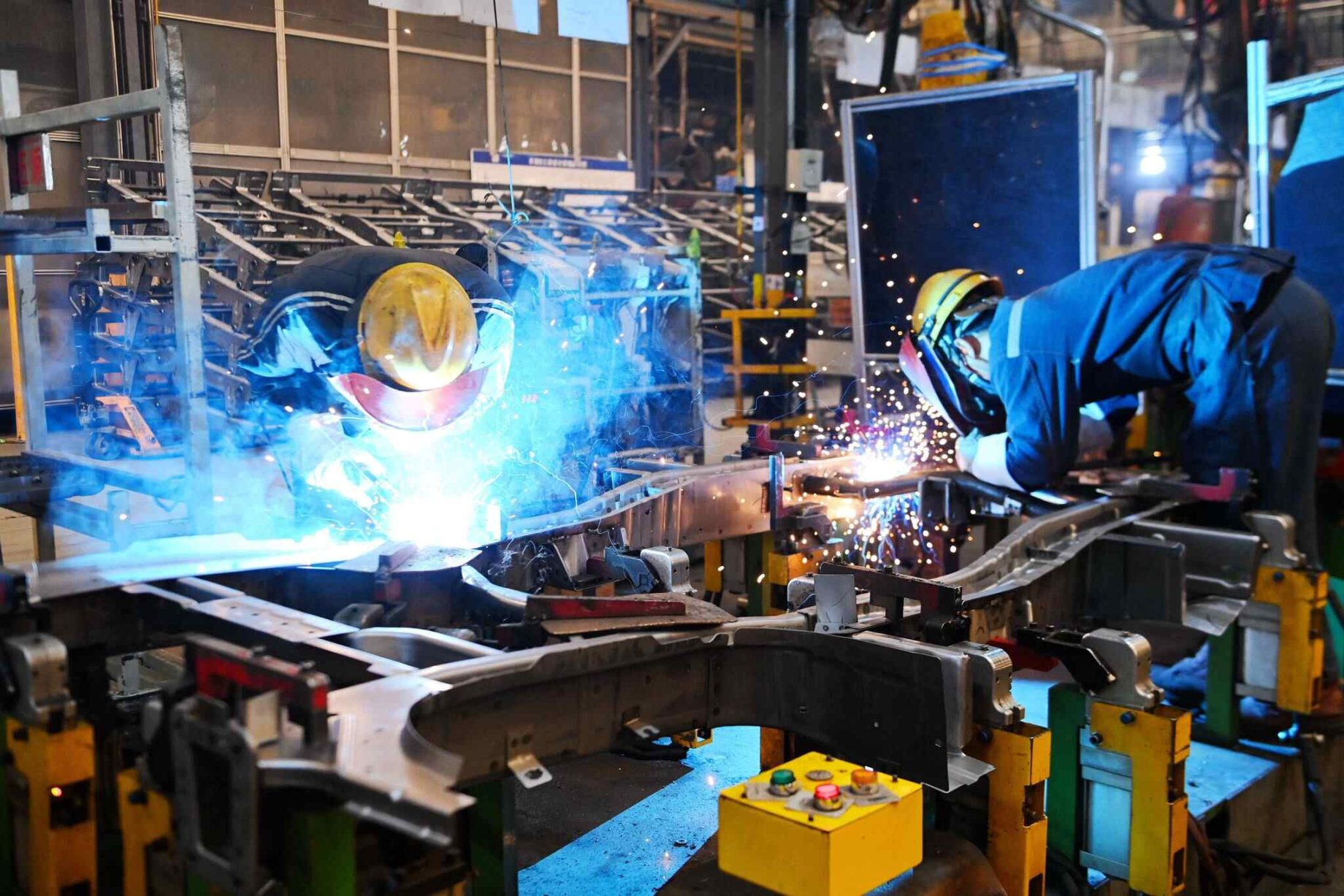
The Middle East war that erupted on 28 February has pushed Brent crude prices beyond $90 a barrel and strained Asian markets reliant on imports, according to Bloomberg. Even so, China’s manufacturing output climbed 6.2 per cent, buoyed by post-pandemic supply chain adjustments outlined in State Council reports.
These results come shortly after Beijing trimmed its full-year growth target to 4.5-5 per cent, the narrowest since the early 1990s, within the latest Five-Year Plan. The plan prioritises investments in artificial intelligence, semiconductors, innovation, high-tech sectors, and measures to lift consumer spending.
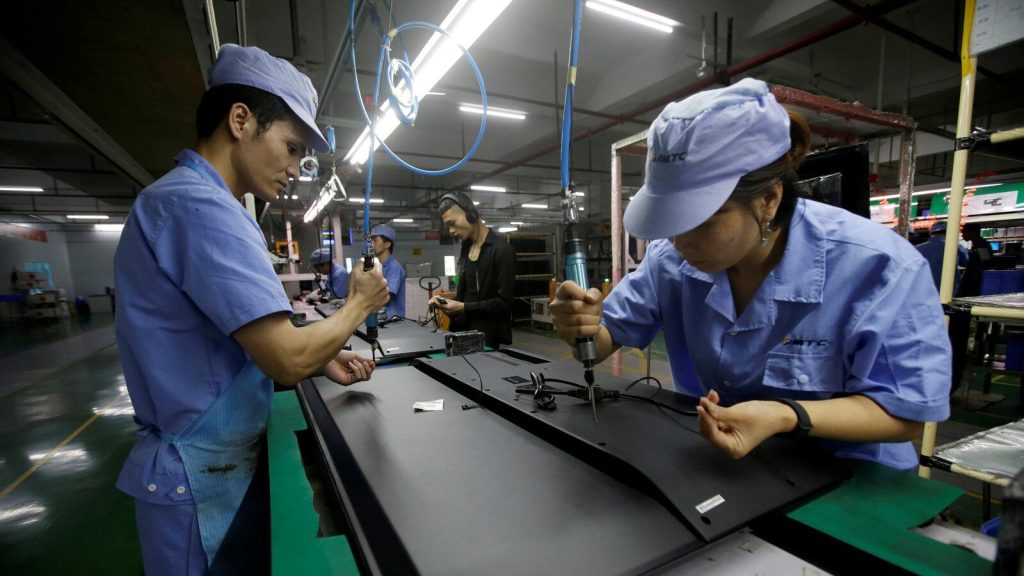
The Communist Party is steering the economy through headwinds like a 9.5 per cent drop in property investment, shrinking population, weak demand, energy crunches from the Iran conflict, and U.S. tariffs under President Trump.
A 10 per cent levy hits most Chinese exports to America, though Treasury Secretary Scott Bessent signalled on Tuesday that rates might revert to tougher pre-court levels by July following Supreme Court decisions, per the Wall Street Journal. Trump and Xi Jinping are due to meet in China this May.
March trade numbers paint a mixed picture. Exports grew a modest 2.5 per cent year on year, down sharply from January-February’s 20 per cent plus surge fuelled by electronics and machinery demand; Beijing blends those early months’ data to smooth Lunar New Year variations. Imports soared 27.4 per cent, narrowing the surplus to $52.4 billion, a 14-month low.
Yixiao Zhou, an economics lecturer at Australian National University, links the import spike to war-driven rises in oil and petrochemical costs through the Strait of Hormuz, which handles 20 per cent of global oil flows according to the IEA.
“Export growth ultimately depends on your trading partners’ economies,” she said. “It is hard to sustain that growth at a very high rate continuously.”
Policymakers are eyeing infrastructure bonds and EV incentives to stay on track amid property woes.