

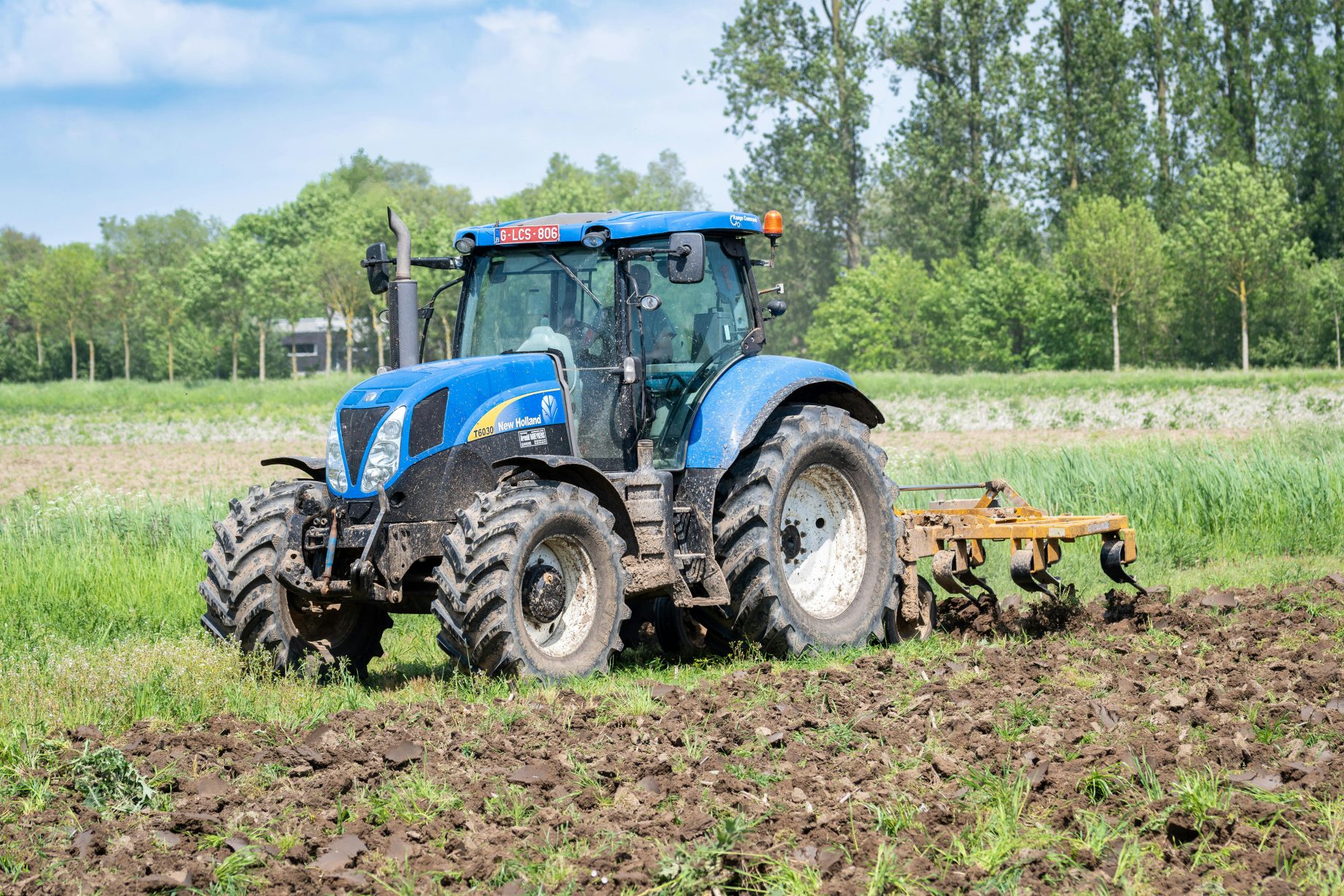
New Zealand’s farming sector is once again being reminded how exposed it is to global instability, with the conflict involving Iran driving up fuel, freight, and fertiliser costs that flow directly through the entire supply chain.
Silver Fern Farms chief executive Dan Boulton said the company expects the conflict to add at least $35 million in extra costs over the next six months, describing that figure as a minimum as volatility in the Persian Gulf continues to shift unpredictably.
He said the pressure will not stay confined to balance sheets, noting farmers will likely see it “back on farm as well” through higher operating costs and tighter input supply.
Meanwhile, Rabobank senior protein analyst Jen Corkran said the impact so far is being felt less as a demand shock and more as a straightforward cost squeeze, with “high costs and squeezed margins rather than changes in global demand for food.”
She said diesel and fertiliser prices are climbing sharply, with urea up more than 50% in a month, and warned these increases will inevitably pass through the system to consumers. Even if the conflict de-escalates quickly, she noted there will still be a lag before input prices ease.
Despite the pressure, the sector is currently being supported by relatively strong commodity prices. Lamb prices remain 40% above the five-year average, while beef prices are 60% higher, helping to offset some of the rising input costs.
Economist Cameron Bagrie said Silver Fern Farms’ expected $35 million hit is relatively small in percentage terms—about 1.7% of its $2 billion turnover—helping put the impact in perspective.
However, he cautioned that the broader inflation outlook is worsening. He expects New Zealand inflation could climb to around 4.5% later this year, largely driven by rising fossil fuel prices.
He said global food inflation is already starting to rise, describing it as “a forewarning that something is coming across the broader food complex.”
Bagrie also warned that if fuel rationing becomes necessary, farming and heavy transport should be prioritised first, given their critical role in keeping the wider economy moving.