


Prime Minister Christopher Luxon says fuel importers have reassured the government that shipments to New Zealand are secured through May, even as instability in the Strait of Hormuz continues to highlight the fragility of global supply routes.
New data published on Monday showed the country’s fuel stocks had dipped slightly, though officials were quick to note the changes reflected normal fluctuations rather than any systemic issue.
Total cover sat at 59.7 days of petrol, 49.1 days of diesel and 50.7 days of jet fuel – down from 62.6, 51.7 and 53.5 days. Officials maintained that stock levels remain stable, underscoring the resilience of New Zealand’s current fuel management settings.
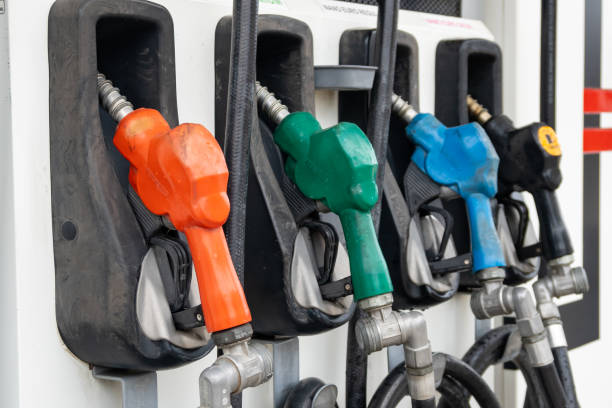
Luxon reinforced that view, describing the reported dip as “very normal” and confirming the country remains in phase one of its national fuel response plan, a sign that no heavy-handed intervention is required at this stage.
Despite ongoing disruption in the Strait of Hormuz and stalled talks between the US and Iran, Luxon expressed confidence in New Zealand’s position – even noting the country compares favourably to Australia.
“We’ve been talking from there with our fuel importers. They give us a lot of confidence that they’ve got all of their shipments coming through up until the end of May—even some into June.”
“A lot of the refineries we’ve dealt with – in South Korea and in Singapore – they’re finding alternative crude sources other than the Middle East; that, of course, is giving everyone quite a bit of confidence in the system.”
“Within the next week, we should be in quite a good place with some of the negotiations that we’ve got going on,” Luxon said, adding he has maintained regular contact with leaders in Singapore and South Korea, two of New Zealand’s key supply partners.
Luxon reiterated the importance of restoring freedom of navigation through the Strait of Hormuz, while noting he was unaware of any request for New Zealand to participate in the blockade ordered by US President Donald Trump.
“We are concerned about any action that risks escalation, because that increases the risk of ongoing economic and energy instability. It is urgent to find a diplomatic solution.”