

Santana Minerals has spent more than $8 million on environmental and technical work and filed roughly 9,400 pages across 135 reports for its proposed Central Otago gold mine. The project was listed directly in the Fast-track Approvals Act 2024, skipping the referral stage entirely. It was, by design, the legislative fast lane.
As of April 2026, the company faces 80 requests for information and thousands of pages of public testimony to address within a single week. The panel convener has flagged the statutory decision window is probably too short. A Treaty complication could void the whole application. For any investor watching from Sydney, Singapore, or anywhere else, this is the data point that matters.
The economics that should make this easy
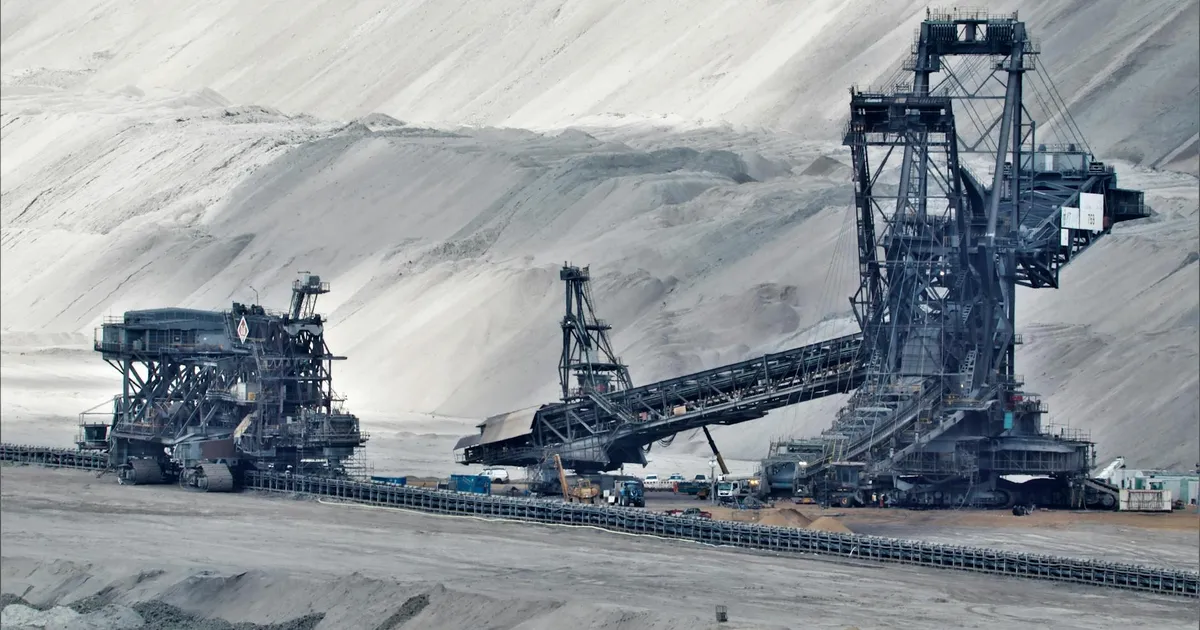
On paper, Bendigo-Ophir is exactly the kind of project a pro-growth government should be able to wave through. The proposed open-cast mine north of Cromwell would feature four pits, with the largest stretching 1km long, 800m wide and 200m deep, producing up to 120,000 ounces of gold per year over a 14-year mine life.
The economic impact report projects $360 million of GDP per year on average and $5.8 billion cumulatively. Direct employment would reach 350 workers at an average wage of $140,300, more than double the Inland Otago average. Total direct and indirect jobs are estimated at more than 850, with $1.8 billion in government revenue over the project’s life.
This is not a marginal proposal. It is a regionally transformative one. And yet the system cannot seem to get out of its own way.
Fast-track does not mean short cut
Santana chairman Peter Cook said it himself: “fast track does not mean short cut.” A shortage of specialist consultants delayed even the application lodgement. CEO Damian Spring has been equally candid, saying “the fast-track process demands equal, if not greater, rigour than previous Resource Management Act systems”.
That is a remarkable admission. The entire political selling point of the Act was that it would be faster and less burdensome. If the applicant itself says the burden is equal or greater, the government has a messaging problem that runs deeper than one mine.
The statutory default decision period is 30 working days. Santana agreed to support an extension to 60 working days. Panel convener Jane Borthwick, a former Environment Court judge, indicated even that may not be enough, noting the panel would need economists, environmental scientists, hydrologists, and landscape experts. The final decision is now due by October 29, 2026, a date that has already been pushed back.
A Treaty issue that could end it all
The most dangerous risk is not timeline, it is eligibility. Four Otago iwi authorities, collectively Ka Runaka, raised possible Treaty breaches in a January memo, arguing Santana’s pre-lodgement consultation “did not constitute consultation” and that the application may be ineligible under section 7 of the Act.
Fast-track panel chairman Matthew Muir KC took the concern seriously enough to say publicly: “I am anxious that, if there was any plausible argument that the process is foreclosed by section 7, this matter is addressed and moved up through the court structure before we spend the very significant amount of time and Santana’s money.”
Santana’s legal counsel maintains “there are not treaty breaches at play here”, but if the argument succeeds, the entire application, all 9,400 pages of it, could be voided regardless of merit. That is not a risk investors can model easily.
The opposition has a point about trade-offs
Opponents include actor Sam Neill, artist Sir Grahame Sydney, and former prime minister Helen Clark. Local business owner Hayden Johnston put it plainly: “In the great wine regions of the world, like Napa in America and Burgundy in France, they would never dream of plonking a big open cast gold mine in the middle.”
Environmental Defence Society CEO Gary Taylor has challenged Santana to “provide more detail about what the mine could cost the community, not just what it could add”, specifically raising the tailings dam sitting above the Clutha catchment. These are legitimate questions. A pro-development stance does not require ignoring them.
What investors are actually underwriting
The Bendigo-Ophir project has not failed. It may yet produce a durable consent. But the experience has already demonstrated that the Fast-track Approvals Act has not abolished the complexity of major resource consenting. It has relocated it, from council hearing rooms and Environment Court litigation into a new quasi-judicial process that is discovering in real time how many experts, how many months, and how many pages it actually takes.
When the government says “fast-track,” investors need to know what timeline they are actually underwriting. The statutory default was 30 days. The extension is 60. The panel says that may not be enough. The final decision date is October 2026 and may slip further. Until the gap between the brand and the bureaucracy closes, the Act will remain a promise, not a proof point.
Sources
- Newsroom: Delay looms for fast-tracked Otago gold mine as public submissions roll in (2026-04-15)
- NZ Herald: Santana Minerals’ Bendigo-Ophir Gold Project mine divides Central Otago
- RNZ: Santana Minerals close to lodging application for $4.4 billion Central Otago gold mine
- RNZ: Santana Minerals rejects criticism of its plan to fast-track Central Otago gold mine
- Otago Daily Times: Goldmine decision may be extended
- Otago Daily Times: Treaty concerns over mine plan
- 1News: Urgent Otago meetings held to oppose fast-tracking Bendigo mine (2025-06-19)
- Fast-track Approvals: Process overview