

Business New Zealand has issued what it describes as an unusual call for government support, urging the provision of below-market rate loans to help companies transition away from gas.
The request follows a report from the organisation’s Energy Council, which found that up to 8% of GDP and around 264,000 jobs are directly tied to gas-dependent businesses. When indirect impacts are included, that figure rises to as much as $36 billion in GDP and up to 400,000 jobs.
“The reason it’s getting expensive is because there’s not enough of it. So if we actually free up a bit for those that you know can’t move for maybe 10 years, then we think the transition will go a lot better,” director of advocacy Catherine Beard said.
“It’s all sorts. It’s dairy, meat, food and beverage, product manufacturing, wood product manufacturing, textiles, leather, clothing, footwear, and cropping agriculture, but it’s also small businesses, from bakeries to breweries to dry cleaners and hot houses.
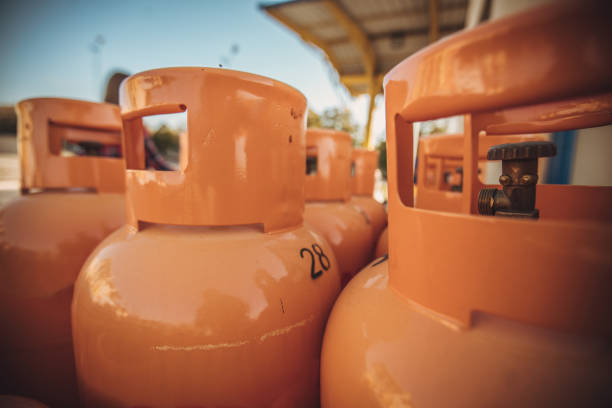
“It’s more of a central North Island problem because the South Island tends to be on bottled gas, and they’re not having the same cost increase. But, yeah, it’s right through the whole economy.”
Beard said the current situation stemmed from a political decision to ban oil and gas exploration while pursuing net zero targets, arguing that the move undermined confidence in further gas development.
“The oil and gas ban certainly didn’t give anyone confidence to go out looking for more gas – so … a whole lot of businesses that are facing increased costs for gas which are pretty much threatening their survival.
“It’s not something that Business NZ would normally advocate for, you know – we’re not into calling for subsidies, but … we feel like this is a politically created problem, and it’s not a normal market situation that you would kind of cut off access to a lower-cost energy source before you had to.”
She said many businesses face significant upfront costs in shifting away from gas, and that interest-free or concessionary government loans could help ease the transition.
Beard said a clear plan is needed, noting that many other countries already take this approach as standard practice. She said New Zealand has ended up with very high energy costs, a situation she described as unsustainable.
She added that the $200 million the government earmarked for co-investment in oil and gas exploration is unlikely to be used and could instead be redirected to help fund the proposed loans.
“We talked to the oil and gas companies as well, and if there’s a case for them to invest, it normally stacks up on its own. And I’m not sure that it has removed the sovereign risk when you still have the opposition saying that they would continue with a ban of oil and gas if they get back in.”
“That’s potentially money that is going to be sitting on the table and not used. So we would like them to do a pretty good, thorough investigation of what support is needed on the demand side.”
“If I had a political legacy, I wouldn’t be happy to have boosted energy supply and forgotten about the demand side – and there’s no point in having this energy in the future if there’s no one left to use it.”