

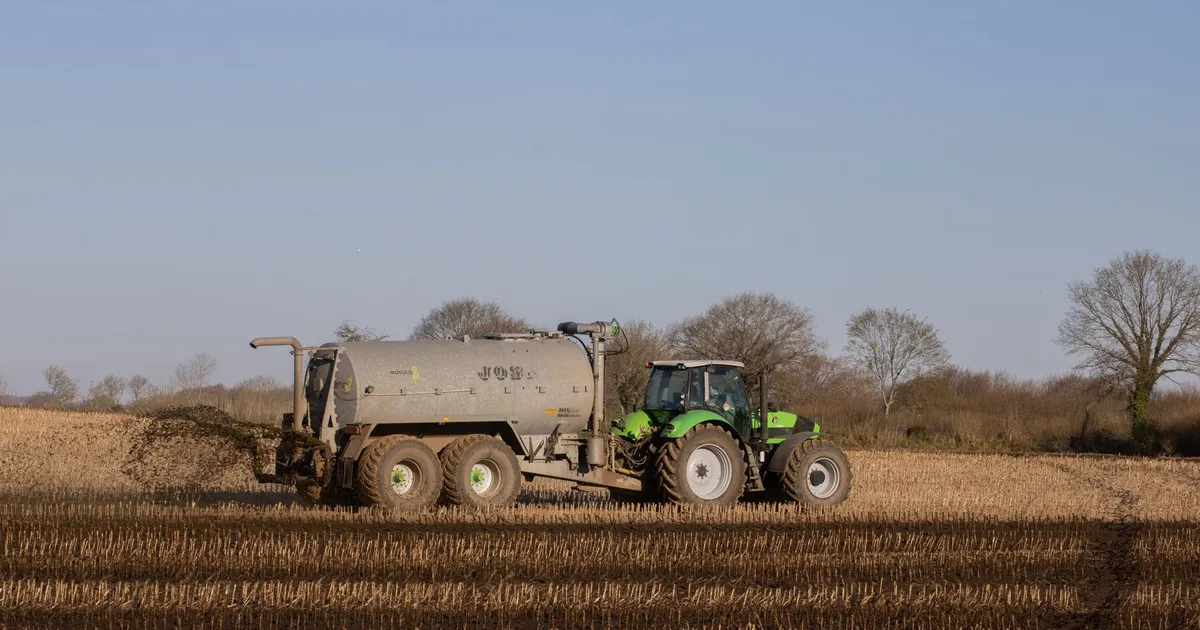
Phosphate is being mined in New Zealand for the first time in nearly 80 years, with the first truckloads from KiwiPhos’s Clarendon operation in Otago delivered to farms this month. The timing is useful. The country imported $26 million of phosphate in July alone, and the Iran war has pushed prices higher again this year.
This is not a quaint revival of an old dig. It is the first tangible hedge against one of the most concentrated supply risks sitting under New Zealand’s biggest export sector.
A farm input that behaves like oil
Farmers do not need a lecture on fertiliser prices, but the scale of the national exposure is worth spelling out. In 2021 New Zealand was the world’s ninth-largest phosphate importer, bringing in around 700,000 tonnes, with 51% from Morocco and 25% from Togo. Globally, a 2024 Our Land and Water study found 85% of reserves sit in five countries, and 70% in Morocco and Western Sahara alone.
The industry has been blunt about what that means. In its 2023 submission to Treasury, the Fertiliser Association of New Zealand said the country was “uniquely vulnerable to access to nutrient raw materials from across the world“, adding that “as a nation whose economy is dependent of growing food, we are unique in our vulnerability.”
That vulnerability has a price tag. In 2022 New Zealand spent a record NZ$1.5 billion on fertiliser imports, according to a USDA report from late 2023. The same report found Moroccan phosphate rock had risen 36% since 2022 to NZ$460 a tonne, and that Morocco’s own strategic shift in exports drove a 59% drop in its shipments to New Zealand over the first ten months of 2023. When the dominant supplier decides to redirect product, a small buyer at the end of a long shipping lane has very little say.
History already ran this experiment
None of this is new. New Zealand’s reliance on imported phosphate stretches back to the first guano shipments from the Pacific in 1867. Clarendon itself produced 140,000 tonnes between 1902 and 1924, then was reopened between 1943 and 1955 after Japan seized Nauru, New Zealand’s main source at the time, according to a 2024 Our Land and Water summary. Domestic mining was the emergency fallback then. The lesson is that you want the fallback built before the emergency.
The numbers stack up better than expected
KiwiPhos is making a commercial case, not a patriotic one. Geologist David Manhire says “[we estimate there’s millions of tonnes of [phosphate] rock under the Clarendon Hill](https://www.1news.co.nz/2026/09/30/phosphate-mined-in-nz-for-first-time-in-decades/),” and that the product is “priced to be competitive with the existing blends that are available.” It has also secured BioGro organic certification, which opens a premium niche.
The research base backs this up. The 2024 Sustainable Phosphate Futures report put the drilled Clarendon resource at 1.6 million tonnes of ore at 18% grade, with a modelled landed cost of $240 a tonne, well under what Moroccan rock was fetching. It estimated just 3-5 hectares of disturbance a year for 100,000 tonnes of output, and a 49% cut in the carbon footprint of superphosphate made from local rock. The same work flagged lower cadmium levels than imported product, a genuine animal health and export market issue. RNZ’s 2024 coverage noted domestic supply would also sidestep the reputational problem of so-called blood phosphate from contested Western Sahara, something premium food buyers increasingly ask about.
One mine is a start, not a solution
Realism matters here. Researchers were clear in 2024 that domestic supply could not fully replace imports, though North Canterbury and Kaikoura could hold another 10-20 million tonnes. The more ambitious offshore play, Chatham Rock Phosphate’s 82,122-hectare permit on the Chatham Rise, remains contested and a long way from production.
Nor does local sourcing remove the runoff problem. RNZ reported in 2024 that 64% of river lengths already carry risky phosphorus levels. That is a management issue on farm, not an argument about where the rock comes from, and it applies equally to imported product.
The bigger policy gap is classification. The 2024 report recommended phosphate be added to New Zealand’s critical minerals list, noting the EU and Australia already treat it as strategic. The critical minerals conversation here has fixated on lithium and rare earths, which matter to future industries. Phosphate matters to the industry that pays the bills now.
What happens next
The test for Clarendon is simple: can it deliver volume at a price farmers choose over imports without subsidy? If it can, it builds the case for North Canterbury deposits and a streamlined consenting path for low-footprint domestic extraction. The government’s fast-track and critical minerals agendas give it the tools. Adding phosphate to the list would cost nothing and would signal to investors that fertiliser security is taken as seriously as battery metals. For a food-exporting nation, it should be.
Sources
- 1News: Phosphate mined in NZ for first time in decades (2026-09-29)
- RNZ: Mining for local fertiliser better than buying ‘blood phosphate’ – report (2024-03-25)
- Our Land and Water: The viability, feasibility, and environmental effects from using New Zealand sourced phosphate (2024-03)
- Our Land and Water: New Zealand phosphate resources could supplement imports (2024-06-19)
- Treasury: Improving Economic Resilience – Fertiliser Association of New Zealand submission (2023-04-17)
- USDA Foreign Agricultural Service: Voluntary Report – Fertiliser and Products (2023-12-13)
- Fertiliser Association of New Zealand: Fertiliser use in New Zealand
- Newsroom: Seabed miners – what we know and what we don’t (2024-05-20)
Join the discussion
Add useful context, ask a good question, or challenge an idea — keep it specific and respectful.