

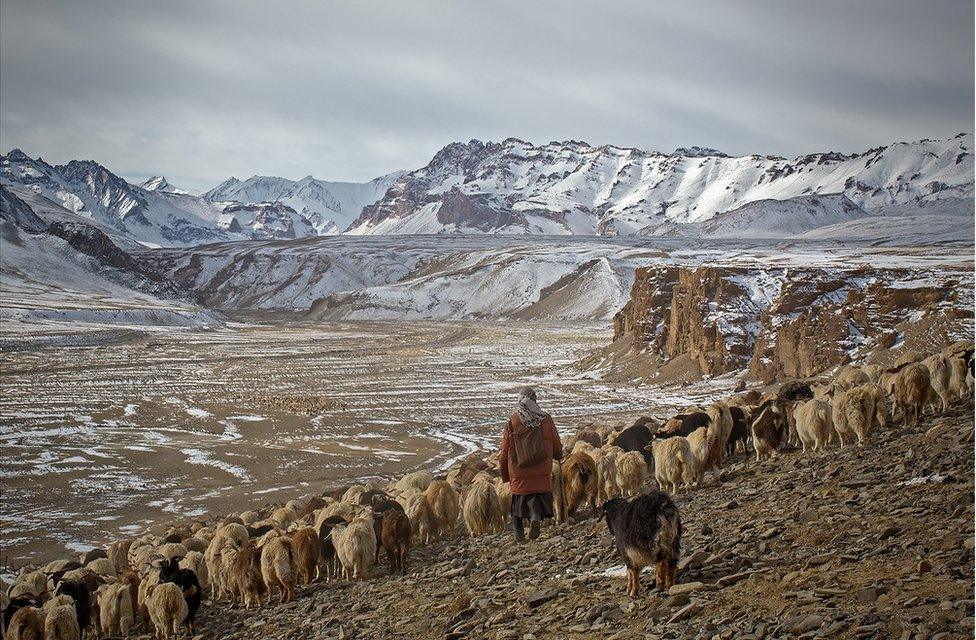
Meteorologists note a sharp drop in winter snowfall across the Himalayas, leaving slopes rocky and bare rather than snow-covered as expected. Most of the last five winters fell well below 1980-2020 averages. Rising temperatures melt scant snow quickly, while lower areas see more rain than snow, a shift tied to global warming by the Intergovernmental Panel on Climate Change.
Research identifies widespread “snow drought” in the region during winter. Fast-melting glaciers already threaten India’s Himalayan states and neighbours; reduced snowfall worsens this, experts told the BBC. The change alters landscapes and risks water for millions, plus ecosystems.
Spring snowmelt feeds rivers for drinking, irrigation, and hydropower. Less winter moisture heightens forest fire dangers in dry conditions. Without ice binding slopes, rockfalls, landslides, and glacial outbursts surge.
No rain or snow fell in northern India last December, per the Indian Meteorological Department. January to March forecasts show 86 per cent less than average in Uttarakhand, Himachal Pradesh, Jammu and Kashmir, and Ladakh. North India’s 1971-2020 rainfall norm stood at 184.3 millimetres.
“There is now strong evidence across different datasets that winter precipitation in the Himalayas is indeed decreasing,” said Kieran Hunt, principal research fellow in tropical meteorology at University of Reading. His 2025 study confirmed declines using four datasets.
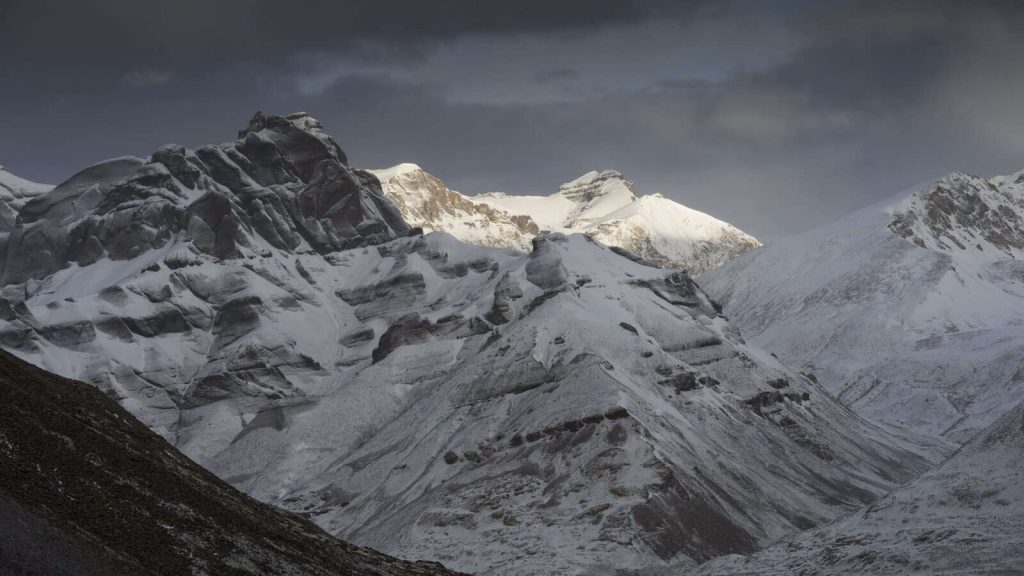
Northwestern snowfall dropped 25 per cent in five years against long-term norms, says Hemant Singh of the Indian Institute of Technology in Jammu. “Nepal has seen zero rainfall since October, and it seems the rest of this winter will remain largely dry. This has been the case more or less in all the winters in the last five years,” says Binod Pokharel of Tribhuvan University in Kathmandu.
Snow persistence hit a 23-year low last season, 24 per cent below normal, per ICIMOD. “This is generally understood to be consistent with decreased winter precipitation anomalies and snowfall in a significant portion of the HKH (Hindu Kush Himalaya) region,” said Sravan Shrestha of ICIMOD.
Snow droughts rise at mid-altitudes. “With snowmelt contributing about a fourth of the total annual runoff of 12 major river basins in the region, on average, anomalies in seasonal snow persistence affect water security of nearly two billion people across these river basins,” ICIMOD warns.
Weak westerly disturbances from the Mediterranean cause the shortfall. “However, we know that the change in winter precipitation must be related to westerly disturbances, since they are responsible for the majority of winter precipitation across the Himalayas,” said Hunt.
“We think two things are happening here: westerly disturbances are becoming weaker, and with less certainty, tracking slightly further northward. Both of these inhibit their ability to pick up moisture from the Arabian Sea, resulting in weaker precipitation,” he added.