

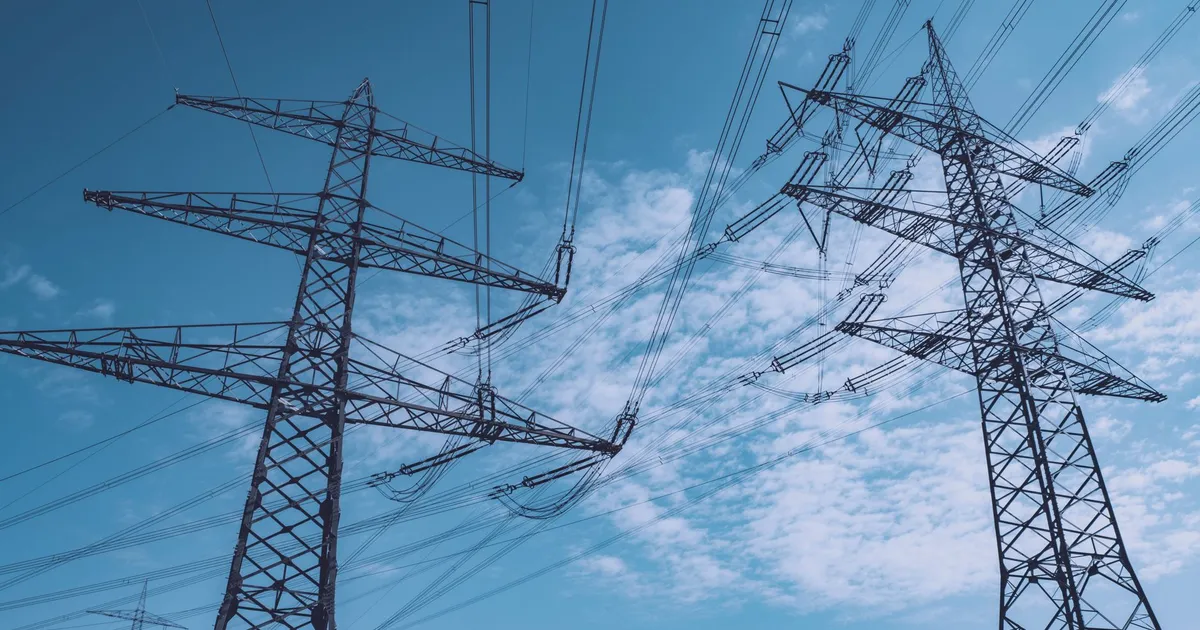
The electricity market is doing what it is supposed to do. Wholesale prices have come off their highs, forward curves have dropped and large industrial users are renegotiating cheaper deals. Then the December bill lands on the desk of a café owner or a small manufacturer, and it is higher.
Contact Energy customers face a rate rise from 3 December, and Genesis Energy says most of its customers will see increases, some by nearly 10%. That arrives on top of a 6.8% rise in bills for households and small businesses in the first half of 2026, according to Electricity Authority figures reported by 1News. For SMEs, the gap between the wholesale story and the retail invoice is the story.
Lines charges are doing the damage
The uncomfortable truth for anyone hoping retailers will simply pass on cheaper wholesale power is that energy is only part of the bill. Of the first-half rise, 54% came from higher lines charges and 44.6% from energy costs. Lines charges rose a weighted 7.8% in April and make up roughly a third of the average bill no matter how much power you use, while the low fixed charge scheme is fully phased out from 1 April 2027, 1News reports. Contact says it has held its energy component to just below 3% while absorbing some lines increases.
That matters for small firms because fixed network costs are blind to efficiency. A business that trims its usage still pays for the poles and wires, and that slice is growing.
Contracts decide who wins
Wholesale falls are real, but they reach customers on a timetable set by contracts, not by the spot market. In July, Meridian chief executive Mike Roan told the NZX that forward prices had plunged between 15% and 35% since April 2025, and that about half of Meridian’s commercial and industrial customers who renewed since May 2025 saw reductions of up to 30%.
That is the market working. The catch is the word “renewed”. Roan said wholesale changes would only flow through to residential customers when Meridian next reset charges, typically each April, and that it was too early to say whether cuts would offset rising lines costs. Many small businesses sit on standard tariffs that move on the same slow cycle. If your renewal date is next year, this year’s wholesale relief is someone else’s.
Hedging is a big-user privilege
The Electricity Authority this week published an analysis of the 2024 winter crunch, when fuel scarcity pushed wholesale prices from about $300/MWh to over $800/MWh. It found hedge products were available to large users, with 5-10MW contracts priced just below the overlapping ASX curve. Its point was that big users had options. The flip side is that a small firm drawing a fraction of a megawatt has none of them. It cannot lock in a hedge on the way up or capture a wholesale fall on the way down. It takes whatever the retailer and lines company decide.
The lag is a pattern, not a blip
This has happened before. In late 2024, average spot prices collapsed to $38/MWh from $301/MWh the previous quarter, yet retail energy prices still rose slightly faster than inflation. In September 2024, Powerswitch data showed the average lowest-price household bill had climbed from just under $2150 to about $2300 even as wholesale prices fell back, because cheaper plans had been pulled during the spike. Huia Burt, then chief commercial officer at Electric Kiwi’s parent, said at the time that anyone switching was “paying significantly more than you were at the start of winter”.
Part of the stickiness is how prices are measured. MBIE’s official benchmark models a consumer using 8,000kWh a year, averaged across plans and regions, which inherently trails real-time swings.
Shopping around is not a guaranteed fix
The usual advice is to switch. It is still worth doing, but not blindly. In 2025, the Electricity Authority found that smaller retailers had raised prices and margins in 2023/24, and on average were now charging residential and small business customers more than the big gentailers. The independent that was cheapest three years ago may not be today.
What small firms should do now
The sensible move is practical rather than political. Find your contract end date. If it falls before April, start quoting now while forward prices are lower. If you are on a standard tariff, ask your retailer directly whether a fixed-term business contract would reflect current wholesale levels. And budget for lines charges to keep rising regardless.
The wholesale market has turned, and competition should eventually push those gains through. But “eventually” is doing a lot of work. Until retail resets catch up, the businesses with the least bargaining power will be the last to feel the relief, and this Christmas many will be paying more for power that is getting cheaper to make.
Sources
- 1News: Power prices up for some pre-Christmas, though wholesale prices falling (2026-10-19)
- The Post: Consumers may need to wait until 2027 for power prices to fall, Meridian suggests (2026-07-22)
- Electricity Authority: Market options were available to large energy users in winter 2024 (2026-10-18)
- Electricity Authority: Market performance quarterly review October-December 2024 (2024-12-31)
- RNZ: Households ‘still hurting from wholesale price surge’ (2024-09-19)
- Electricity Authority: Insights from the latest internal transfer price and retail gross margin data (2025-05-13)
Join the discussion
Add useful context, ask a good question, or challenge an idea — keep it specific and respectful.