

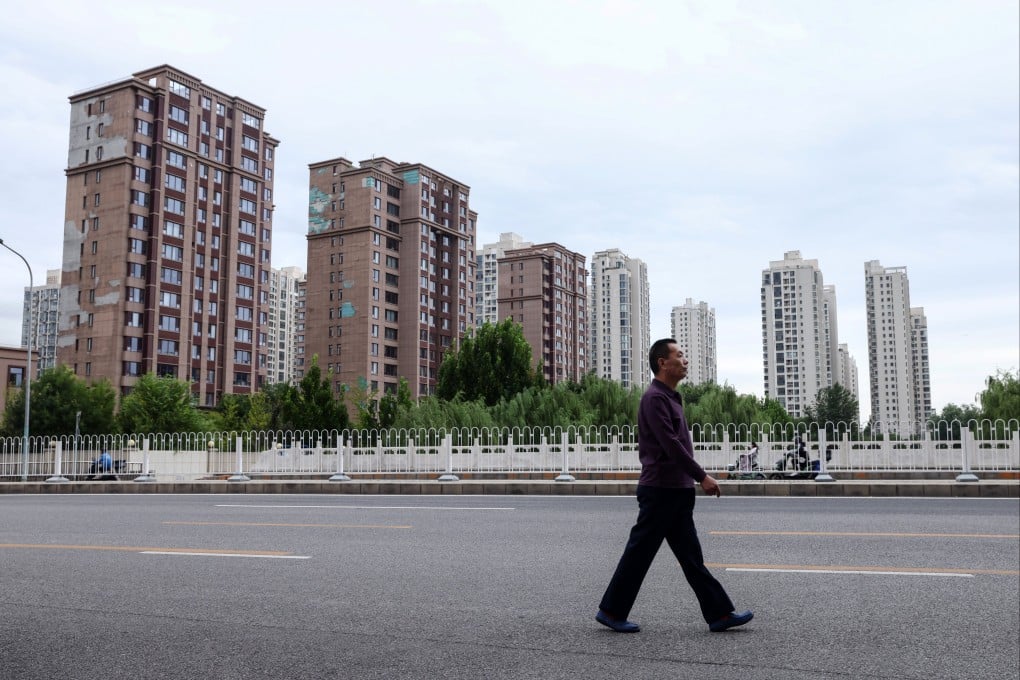
Investors sense optimism as Beijing gears up for aggressive housing interventions ahead of key announcements.
The Communist Party’s Qiushi journal kicked off 2026 with a New Year’s Day commentary demanding comprehensive strategies to restore sector confidence amid the ongoing spiral.
Property-linked equities responded sharply. The Hang Seng China A Properties Index, tracking firms like Vanke and Seazen, surged over 6% year-to-date.
Nomura economist Ting Lu called it pathbreaking. “This is the most comprehensive assessment of China’s property markets published in Qiushi since the sector’s collapse in mid-2021,” Ting said in a report earlier this week. “Its significance should not be overlooked.”
Such Qiushi insights often preview policy shifts. This one precedes March’s “Two Sessions,” where the 2026-2030 Five-Year Plan will launch, potentially prioritising housing stabilisation.
The downturn stems from 2021 debt curbs post-Evergrande. Despite 2024 vows to halt declines, 2025 sales floor space fell to 2009 lows—down 48%—with 700 million square metres of unsold stock, per official data and Reuters.
Modest easings like lower deposits stabilised tier-1 prices but not the slide.
Qiushi rejects “adjustment” euphemisms, urging swift holistic fixes and warning of developer insolvencies despite housing’s 25% GDP weight.
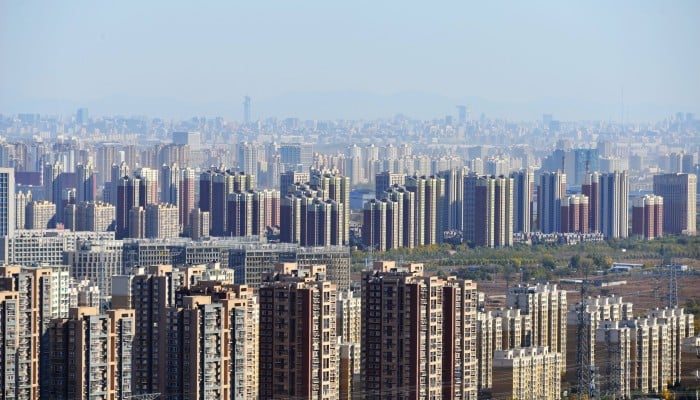
Vanke narrowly avoided a 2 billion yuan bond default in December 2025 after S&P’s downgrade. Loans shrank 1.2% year-on-year in Q3 for the first time since 2012.
China Construction Bank International’s Cliff Zhao pushes city-targeted aid, details likely at March forums.
HSBC’s Michelle Kwok eyes buyer relief and inventory buys. “The most impactful policies will likely be those that meaningfully reduce the financial burden on home buyers,” her report stated. “In our view, more focus on acquiring excess inventory will be a key step to resolving bottlenecks.”
Nomura’s Lu cautions on endorsement levels versus prior pieces. Tech priorities and U.S. tariffs may slow consensus, though 2008-style packages offer precedent.
“Beijing cannot afford to let its property sector slide indefinitely, and much more decisive action is needed to truly stabilize the property sector and the overall economy,” Lu said. “Given rising trade tensions and the likely unsustainable strength in the export sector, Beijing might eventually be compelled to ramp up its policy measures significantly.”
Markets now bet on sweeping reforms to avert wider risks.