

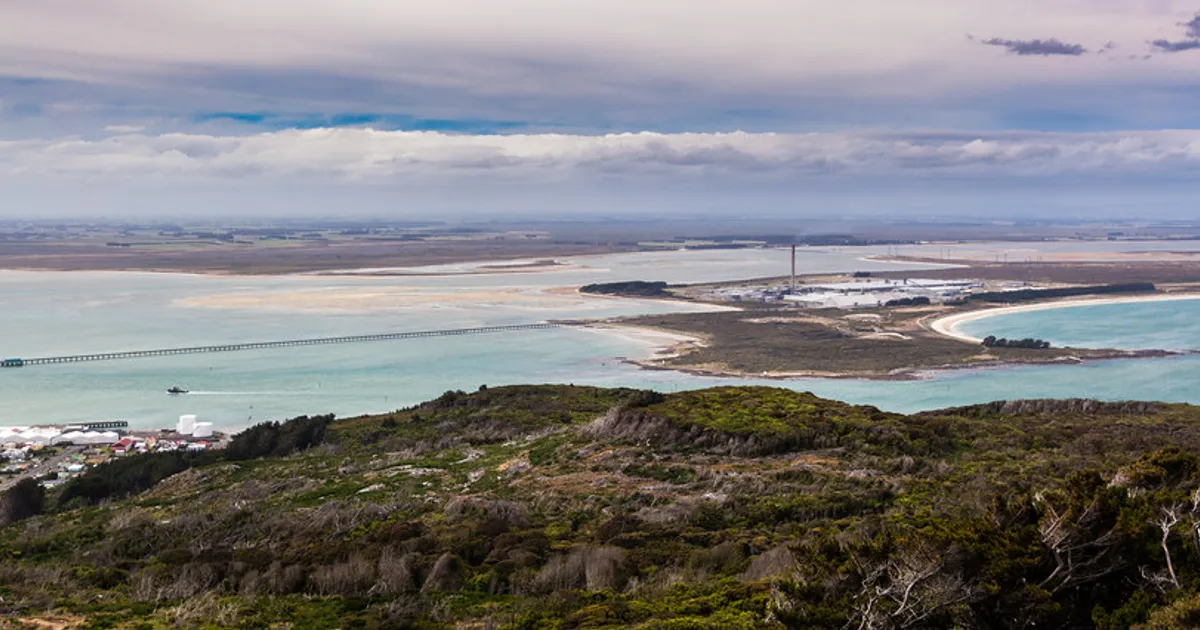
Meridian Energy has paid US$30 million, around NZ$55m, for an 11.27% stake in Datagrid, the developer behind a proposed AI data centre near Invercargill. Chief executive Mike Roan takes a board seat, and the deal comes with a 140MW power purchase option. It follows Mercury, which paid the same US$30m for 12.7% in July and signed a matching 140MW option.
Two of the country’s largest generators now own about 24% of a single project and hold options over 280MW of its 300MW capacity. Meridian and Mercury are now partners in the project, not just its power suppliers.
A small cheque with a long tail
Meridian’s outlay is modest. Its FY26 annual report showed EBITDAF of $1.051 billion, operating cash flow of $810m and a development pipeline of 8.8TWh of secured options. Paying around $54m for 11.27% implies Datagrid is worth roughly $480m, which is small change for a company of Meridian’s size.
The power option is where the real commitment lies. If exercised, it runs for 15 years from a start date between July 2028 and January 2029, subject to Electricity Authority clearance under its Materially Large Contracts regime. Holding equity and a supply contract together lets Meridian share in the upside, lock in a long-term anchor customer and secure a seat at the table when the big decisions get made. It is sensible capital allocation, not speculation.
A load the size of a smelter
Datagrid holds resource consent for a 300MW facility on 49 hectares at North Makarewa. Fully built, it would be the second-largest power user in the country after Tiwai Point.
For decades, Southland’s industrial power story has been the smelter and nothing else. Every wobble over Tiwai’s future has raised the same fear of stranded generation, collapsing regional demand and a grid built for a customer that might leave. A second very large load spreads that risk. If Datagrid gets built, Southland’s economy no longer depends on a single aluminium contract.
Roan frames the deal as regional loyalty as well as commercial sense, saying the company is focused on “supporting growth alongside the needs of existing consumers, energy affordability and security of supply.” New Zealand’s renewable-heavy grid is one of the few genuine advantages it can offer global AI infrastructure buyers. Selling that power to hyperscale compute at long-term contract prices is a better use of it than letting the advantage go to waste.
Who pays for the wires
The equity side of the story is clean. The transmission side is not. On the same day, Transpower began consulting on more than 30 options for lower South Island grid upgrades through to 2040, ranging from $718 million to more than $6.9 billion. Transpower has not tied the review to Datagrid, but a new smelter-sized load in Southland will clearly shape which option gets chosen.
The gentailers have set out four conditions for backing data centres. Customers must pay a fair price for power and the infrastructure that comes with it, projects must be environmentally responsible, they must contribute to host communities, and they must create enduring value. The first condition matters most. If Datagrid’s share of grid costs ends up spread across households and other businesses, the social licence for this sector will not last long.
The hardest part is still ahead
There is no final investment decision yet, as RNZ notes. Mercury’s money has paid for earthworks, not data halls. Datagrid has not published a budget for the main build, but a 300MW facility will cost billions, many times what two US$30m cheques cover. Larger and better-known players have found data centre capital harder to raise than to announce.
The community also has to be won over. Hundreds of people turned out to an Invercargill meeting in July to raise concerns about power supply, noise and consultation. Those concerns will not go away because the project now has two listed backers.
What happens next
The next milestones are Electricity Authority clearance for both power options, Transpower’s consultation closing on 5 February, and the investment decision that turns a consented paddock into a construction site. Meridian and Mercury have made a disciplined bet that cheap renewable power is New Zealand’s way into the AI economy. The Southland project still has to secure billions in funding and settle who pays for the grid upgrades before it can be called a success.
Sources
- NZ Herald: Meridian buys 11.3% stake in Datagrid’s Southland data centre project for $54m (2026-11-25)
- RNZ: Meridian invests in massive Southland data centre project (2026-11-26)
- 1News: Meridian buys stake in Southland AI data centre, joining Mercury (2026-11-26)
- Meridian Energy: Meridian secures 11.27% stake in Datagrid (2026-11-26)
- BusinessDesk: Meridian backs Datagrid with US$30m investment and 140MW power option (2026-11-25)
- Meridian Energy: Annual Report 2026 (2026-06-30)
Join the discussion
Add useful context, ask a good question, or challenge an idea — keep it specific and respectful.