

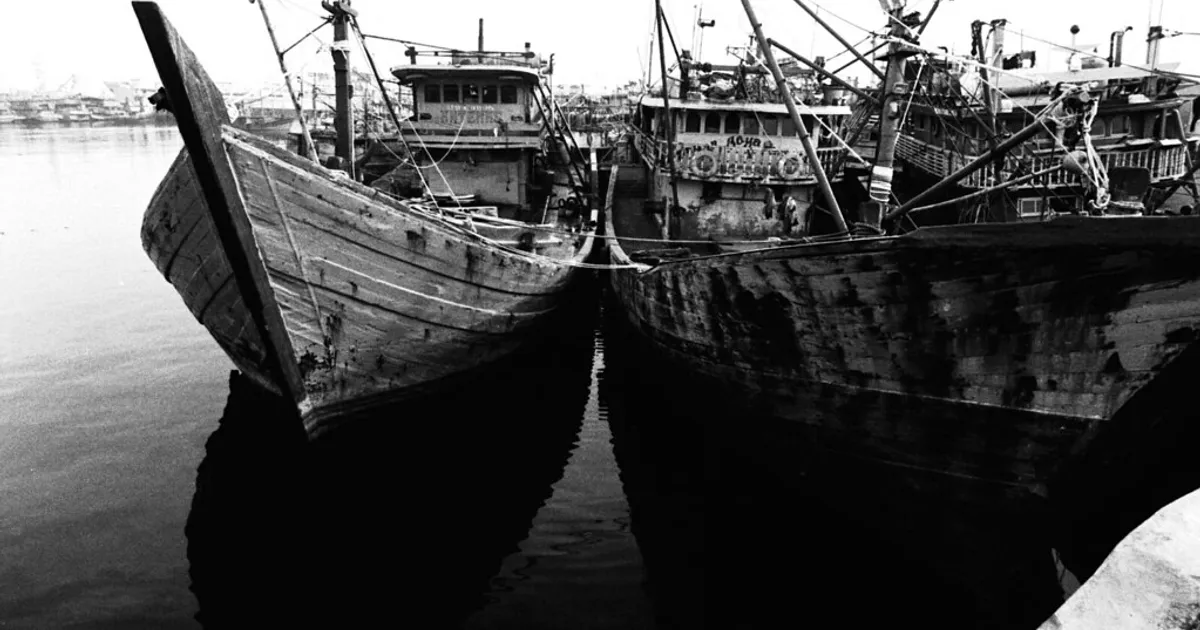
Pacific nations, New Zealand among them, head to Vanuatu next week to try to shut one of the most convenient blind spots in the global seafood trade. Newsroom reports that the bloc wants tighter limits on high seas transhipment at the Western and Central Pacific Fisheries Commission (WCPFC) meeting in Port Vila from 30 November. The trigger is new research alleging Chinese, Korean and Taiwanese fleets are using a loophole to move tuna between vessels in international waters, out of reach of Pacific inspectors.
For anyone running a legitimate seafood business, this is not an environmental side issue. It is a market distortion. When some operators carry the full cost of monitoring and others can transfer catch where nobody is watching, the cheapest fish on the market is not necessarily the most efficiently caught. It may simply be the least scrutinised.
Two rulebooks for the same ocean
The WCPFC area produces more than half the world’s tuna, so the rules here shape the global supply chain. Purse seine vessels, which land most of that catch, must tranship in port under Parties to the Nauru Agreement rules, with 100% observer coverage and local officials checking what comes off the boat.
Longliners working the high seas face no in-port requirement and need only 5% observer coverage. That means 19 of every 20 trips can involve fish changing hands mid-ocean with no independent witness. Nobody designing a compliance regime from scratch would accept that ratio for a product worth this much.
And it is worth a lot. RNZ puts the value of tuna transhipped in the Western and Central Pacific at US$6.5 billion a year. Back in 2024, RNZ reported the region accounted for 69% of global tuna transhipment, and that the WCPFC’s core transhipment measure had not been updated in 15 years.
The regulator’s own numbers tell on it
The WCPFC’s latest annual transhipment report, published in September, records 888 high seas transhipment events in 2025, about 60% of the 2019 peak of 1,469. On paper that looks like progress. The detail is less reassuring.
Of 3,143 vessels on the Commission’s register, 56% hold high seas transhipment authorisations, yet only 28% of those were involved in a reported event. The report itself does not resolve whether that reflects less activity or less reporting. It flags vessel monitoring data that does not reconcile, satellite tracking gaps between agencies, and observers on offloading vessels doubling as the carrier’s observer, which guts the independence of the data. Only 24 compliance cases have been raised since 2016, mostly for paperwork failures rather than substantive breaches.
That is the real story. The rules are weak, but enforcement capacity is weaker. A regime that catches late declarations but not laundered catch is a regime the worst actors can live with comfortably.
Follow the carriers north
The pattern is starker in the North Pacific. The North Pacific Fisheries Commission’s 2025 overview shows transhipment rose almost 25% in a year to 383,699 tonnes, equal to 72.7% of total harvest, up from 57.8% in 2024. Chinese vessels accounted for 350,577 tonnes of that, roughly 91%. When most of a fishery’s catch changes hands at sea, at-sea transfer stops being an operational convenience and becomes the business model.
The usual defence is economic necessity, ports are too far away. A Marshall Islands-led study of high seas transfers challenged that argument, finding many transfers took place when a port was closer than the rendezvous point. Without an agreed definition of when port transhipment is genuinely “impracticable”, the exemption has become the default.
Why honest operators should want this fixed
The industry is not uniformly hostile to reform. In 2025, the International Seafood Sustainability Foundation argued that well-regulated transhipment can cut costs, but warned that poor regulation opens a channel for illegal fish into supply chains and creates distortions that penalise compliant operators. That is the pro-market case in a sentence. Transhipment itself is not the problem. An uneven playing field is.
The risks extend beyond price. Research has linked fish crime to smuggling and tax haven structures, and remote carrier operations have been tied to forced labour and crew abuse. For New Zealand exporters and retailers selling on provenance, every unverified tonne in the global pool is a reputational liability that buyers in Europe, the US and Japan increasingly want audited away.
Sixteen years is long enough
Last December, RNZ reported high seas transhipment had been on the WCPFC agenda for 16 years. Distant-water fleets have had ample time to adjust. The minimum credible outcome from Port Vila is higher longliner observer coverage, a hard definition of impracticability, and genuinely independent carrier observers backed by digital reporting. Anything less leaves the cost of compliance on the boats that already comply, and the rewards with those that refuse to be watched.
Sources
- Newsroom: Pacific seeks to close loophole for vast transfers of fish at sea, beyond scrutiny (2026-11-25)
- RNZ: Pacific tuna transshipment needs stronger oversight, conservation group says (2026-11-20)
- RNZ: Transhipping of fish costing Pacific nations (2024-09-19)
- RNZ: Pacific pushes Tuna Commission on high seas fishing (2025-12-02)
- WCPFC: Annual Report on Transhipment Reporting (2026-09-01)
- NPFC: 2025 Transshipment Overview (2026-03)
- SeafoodSource: New report debunks economic arguments for high seas transshipment
- ISSF: Securing the Pacific’s Tuna Future, ISSF Priorities for WCPFC Action on FADs and Transshipment (2025-11-10)
- AAP News: Illegal tuna fishing fuels crew abuses in the Pacific
Join the discussion
Add useful context, ask a good question, or challenge an idea — keep it specific and respectful.