

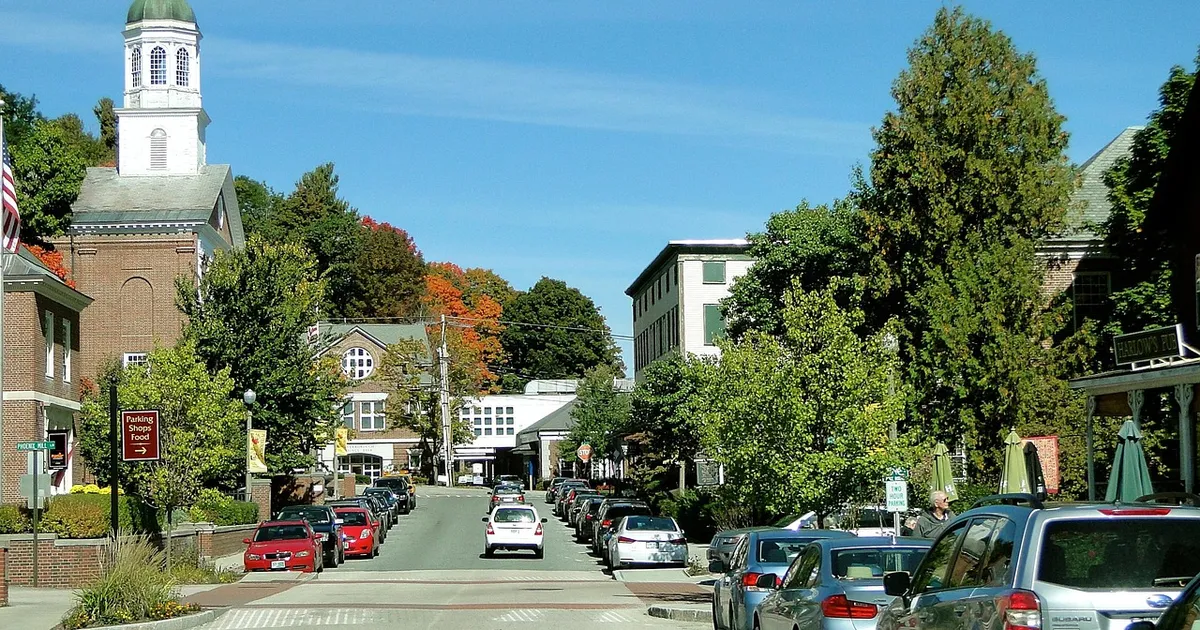
The former H&J Smith department store at 58 Main Street, Gore, is on the market by deadline sale, closing 4 December, with a capital value of $1.33 million. On paper that looks like a bargain for a central, two-level commercial building in a town’s main retail strip. In practice the price is the easy part. The real question is whether anyone has the capital, patience and tenant pipeline to make a partly empty heritage building earn its keep in a small rural economy.
A landmark that is mostly empty
The Invercargill-based owners have held the building for more than 21 years and are selling through Harcourts Gore. Hello Banana occupies the whole ground floor and a music school leases about 249m² upstairs, but roughly 1760m² sits vacant and is being pitched for future commercial tenancy or business expansion.
That is the core of the valuation problem. A buyer is not purchasing a yield, they are purchasing a leasing project. Every square metre that stays empty carries rates, insurance and maintenance with no income attached, and in a provincial town the pool of tenants needing that much floor space is thin.
The nostalgia is genuine. The building hosted Queen Elizabeth II for lunch in 1954. Nostalgia does not pay a mortgage.
Heritage status comes with a bill attached
The building is registered as heritage structure H18 in the Gore District Plan’s heritage schedule, and the council holds a dedicated heritage assessment report prepared for its district plan review. That designation brings maintenance and improvement obligations for a new owner, and it narrows the options for radical reconfiguration.
What public sources do not reveal is the seismic rating. That omission matters. The wider H&J Smith story shows how heritage retail stock can become a trap. When the chain announced its exit in 2023, its Invercargill flagship, 12 buildings across 12,000m², needed significant strengthening, and differing seismic ratings precluded subdividing it for other tenants. Any serious bidder in Gore will want engineering numbers before they want the brochure.
The department store model left first
This building was emptied by structural change, not a bad run. In 2020, H&J Smith downsized its Gore store, cutting 27 jobs and keeping four staff, and moved trading to a smaller site next door. Then-managing director Jason Smith cited rising wage and compliance costs, store size and scale, and an ageing network needing capital expenditure.
In 2023, Christchurch-based Longbeach Holdings took over that smaller store and retained all four staff. The chain itself shut its department stores later that year after 123 years. BusinessDesk reported in 2023 that the decision reflected “systemic changes in the retail sector” rather than unprofitable trading, with JLL’s then-head of research Gavin Read noting shoppers were gravitating to big-box centres where they could do a whole shop in one trip.
That is the market a buyer is betting against. Large-floorplate, single-anchor retail in a provincial main street is the format consumers have been abandoning.
Gore’s numbers were already soft
The most recent detailed council data is dated, but directionally unhelpful. In the year to December 2024, Gore District’s GDP fell 0.7%, worse than the national 0.5% decline, employment dropped 1.9% with retail and hospitality among the weak spots, and consumer spending was flat. The primary sector accounted for 30% of district GDP.
There was one interesting signal in that 2024 report. Non-residential building consents rose 65.3% to $16.7 million. If that pattern held, Gore’s commercial investment appetite was flowing into new builds rather than refurbishing old retail stock. Heritage buildings compete with new, compliant, efficient space, and they usually lose on operating cost.
Nor is this an isolated sale. Across the road, the building housing La Hoods Pharmacy is listed for $2 million plus GST. Gore’s main street ownership is churning, which gives buyers choice and gives sellers less leverage.
None of this is new to the town. Back in 2015, then-mayor Tracy Hicks talked of making Gore the country’s leading provincial town for commercial resilience, with local retailers warning they would need to work harder just to keep the shops they had. A decade on, a vacant department store is the measure of how hard that task was.
Repositioning is the only viable play
The case for buying is not restoration as a single big retailer. It is conversion. Split upper floors into professional offices, add complementary retail, or explore residential use where the heritage rules and engineering allow. At a $1.33 million capital value, the entry price leaves room for that capex, provided the seismic picture is not ugly.
The ideal buyer is probably local, owner-occupying or already holding tenants who need space, and willing to accept a slow lease-up. A passive investor chasing yield should look elsewhere.
The 4 December deadline will be an honest test of how private capital prices heritage character in a regional centre. If the building trades at a sensible number to someone with a reuse plan, Gore gets a revived anchor. If it does not, it becomes another example of a heritage listing protecting a facade while the economics behind it quietly hollow out.
Sources
- The Press: Gore’s H&J Smith building on the market (2026-11-11)
- ODT: History for sale as H&J Smith building goes on market (2026-11-13)
- Gore District Council: Technical Reports – Historic Heritage & Notable Trees
- BusinessDesk: H&J Smith shuts up shop, focuses on going mega (2023-06-05)
- RNZ: H&J Smith to close two department stores, downsize another (2020-06-07)
- ODT: Business to take over H&J’s store (2023-07-25)
- Gore District Council: Quarterly Economic Monitor Q4 2024 (2024-12-01)
- Inside Retail NZ: Re-energising Gore’s retail district (2015-04-30)
Join the discussion
Add useful context, ask a good question, or challenge an idea — keep it specific and respectful.