

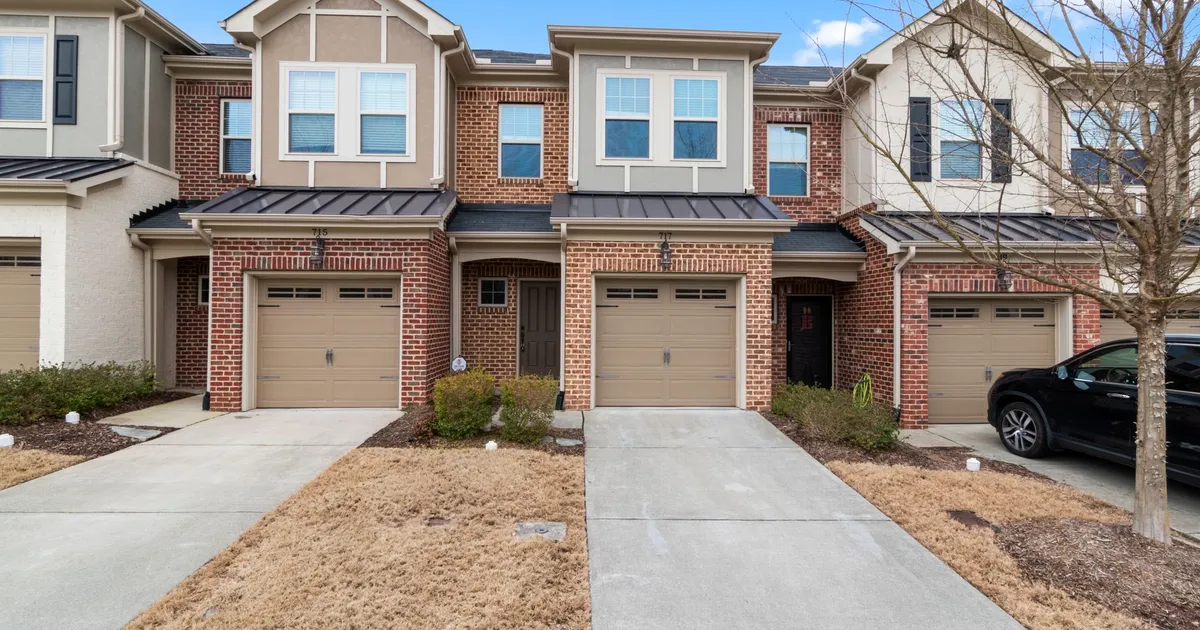
Cotality’s latest Pain and Gain report found 15.8% of properties resold for less than the seller paid in the September quarter, the highest share since 2012. The headline figure gets the attention. The real story is underneath it. The losses are concentrated in exactly the stock that a decade of intensification policy, off-plan marketing and investor enthusiasm produced: apartments and townhouses bought on the assumption that capital gains would rescue thin rental yields.
That assumption is failing, and it is failing by property type.
The land was always doing the work
By property type, roughly half of apartments, 22.5% of townhouses and 13.4% of standalone houses sold at a loss in the quarter. Cotality chief property economist Kelvin Davidson puts it down to land. Properties on smaller plots never enjoyed the same capital growth, so they were always more exposed when values turned.
This is the uncomfortable truth for anyone who bought a narrow, three-level unit in 2021 expecting it to behave like a villa. In New Zealand, the building depreciates and the dirt appreciates. Buy a product with very little dirt and you have bought a depreciating asset with a modest land kicker attached.
Davidson calls these “the toughest conditions for property resellers that we’ve seen for 14 years“, citing fallen values, abundant listings, economic uncertainty and a drift up in mortgage rates. He also stresses the result reflects price falls that have already happened rather than a fresh slide.
A slow squeeze, not a crash
The deterioration has been visible all year. In the June quarter the overall loss rate was 13.1%, with apartments at 45.2%, the weakest apartment result since 2010. Apartment values had fallen about 6% over 12 months, against roughly 2% for townhouses and broadly flat prices for houses.
The individual cases are brutal. An East Coast Road townhouse in Auckland bought for $2.35 million in November 2023 sold in February for $1.739 million, a loss of $610,100 after 2.2 years. Auckland, where steady increases in housing supply have weighed on prices, posted the worst regional loss rate in the country.
Perspective matters, though. Across the whole market, sellers banked $3.6 billion in gross gains against $179 million in gross losses in the quarter. This is not a systemic housing collapse. It is a targeted repricing of one product class.
Time in the market now does all the lifting
The sharpest dividing line in the data is holding period. Loss-making resales had been held a median of just 4.5 years, while profitable sellers held for more than a decade. Davidson notes most loss-makers were not speculators: “Most buyers would not have purchased with the intention of selling again so soon, but circumstances might have worked against them“, with job moves, family changes and mortgage strain forcing sales.
That is precisely the risk a leveraged investor in thin-yield stock carries. If the rent does not cover the holding cost, any shock to income or rates can force a sale before the decade of growth arrives.
A lot of stock is sitting in the danger zone
The scale makes this a business story, not a personal finance one. As of May there were 242,000 townhouses nationally, 48,000 more than eight years earlier. A big slice of that stock was bought near the 2021-22 peak, often off the plans.
For developers, the pitch to investors has lost its closing argument. Without a credible capital-gains story, townhouse pricing has to stand on yield and quality alone, which means feasibility models built on peak-era end values need rewriting. For banks, rising loss rates on recently built medium-density stock should sharpen scrutiny of presale finance and loan-to-value assumptions on new projects. The Property Investors Federation’s Matt Ball discussed what the softer market means for landlords on Newstalk ZB, and the message for investors is plain: buy-and-hold is no longer a strategy choice, it is the price of admission.
There is a wider upside. Investment specialist Greg Smith of Generate argued in August that when meaningful gains require a decade of ownership, “capital tied up in existing housing stock is capital that is not being directed towards businesses, innovation, infrastructure or productive investment“.
What the next cohort should take from this
None of this means medium density is a mistake. Well-located, well-built townhouses are still selling at a profit, and buyers have genuine leverage right now. What has died is the lazy version of the model, where any boxy unit in any suburb was sold as a wealth plan. The next wave of developers and investors will have to price these homes as places people want to live and rent, not as lottery tickets on land they barely own. That is a healthier market, even if the 2021 buyers are paying for the lesson.
Sources
- Cotality: Property resale losses hit highest level since 2012 (2026-11-12)
- 1News: Property sellers losing money at rate not seen in 14 years – Cotality (2026-11-11)
- RNZ: Property sellers losing money at rate not seen in 14 years, property data firm says (2026-11-12)
- Interest.co.nz: Cotality Pain and Gain Report – Q2 2026 (2026-08)
- RNZ: Almost 20% of townhouses selling for a loss (2026-05-21)
- NZ Herald: Data shows properties resold at a loss highest in 14 years during September quarter (2026-11-11)
- Newstalk ZB: Property resale losses hit the highest level in 14 years (2026-11-12)
- NZ Herald: The prosperity cost of New Zealand’s property obsession (2026-08-18)
Join the discussion
Add useful context, ask a good question, or challenge an idea — keep it specific and respectful.