

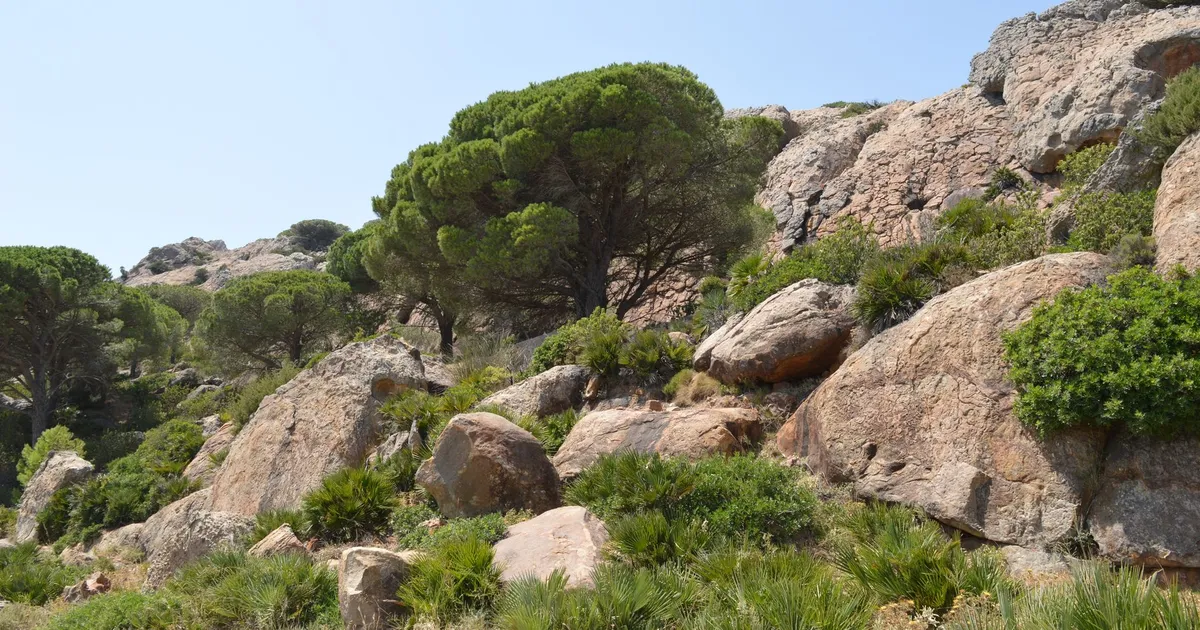
When Environment Southland councillor Eric Roy told a meeting this week “We’re stuffed, we’re stuffed then! We can’t do it”, it made for a colourful headline. The substance is less colourful and more expensive. Wilding conifers are a compounding liability, and the bill is landing on rural ratepayers and landowners rather than on the commercial planting decisions that created much of it.
The maths is brutal. In 2025, an Environment Southland report found control costs rise 30% for every year removal is delayed, and warned that the $24.6 million spent in the region since 2016 could be wasted without follow-up work. That is not an environmental talking point. It is a balance sheet problem.
The money finally arrived, the alarm did not stop
To be fair to the government, it has moved. In May, Budget 2026 committed an extra $79 million over three years, taking total programme spend to $109 million and lifting average annual funding to about $36 million, up from around $15 million in 2025/26. Prime Minister Christopher Luxon cited an estimated $3.6 billion in economic losses over 50 years if the spread goes unchecked, and a return of more than $30 for every $1 spent.
That is a genuinely good return on public money, and the decision deserves credit. Environment Southland has now secured $4.29 million under the programme, including $2.49 million for 2026/27.
Yet the councillors are not relieved. Councillor Richard Hodson said wilding control remains underfunded and responsibility does not sit with the council alone, adding: “I guess my biggest fear is that we are planning to fail.” The reason is simple. A tripling of funding after years of cuts does not reverse the years of spread that happened in between.
Delay was a choice, and it was costed in advance
Nobody can claim they were not warned. A 2022 cost-benefit analysis for MPI found that dropping to a $10 million-a-year baseline would cause net losses of $3.8 billion over 50 years, with actively managed control units collapsing from 49 to 10 within four years.
In 2023, the then-Parliamentary Commissioner for the Environment told the sector there was “little point in starting jobs you don’t intend to finish”, calling it incomprehensible that funding could fall to a level where half the controlled area would miss follow-up work.
It happened anyway. By 2024, MPI had reduced its budget allocation after the time-bound $100 million Covid-era boost ran out, threatening Southland’s control work. In November 2025, Environment Southland’s then-acting chief executive Rob Phillips said the region needed roughly $25 million extra and admitted “we’re hardly treading water, but we are going backwards.”
Stop-start funding is the worst of both worlds. It spends enough to clear land, then not enough to stop it reseeding, so the initial investment leaks away.
The seed source never gets the invoice
The sharper issue is who pays. Mana whenua representative Evelyn Cook put it plainly at this week’s meeting: forestry owners “are reaping the economic benefit, but they’re creating an economic and environmental liability.”
Roy’s question about using DNA to trace wild trees back to their parent plantations went nowhere, because collecting samples needs property owner permission that will not realistically be given. In October, Roy described himself as a “broken record”, saying “we’re not going to win when people are still planting the mother load”, while councillor Paul Evans said the region was “three or four decades behind”. The council’s draft submission on the new 20-year national strategy asked for greater emphasis on seed sources where commercial forestry contributes to spread.
This should not be a left-right fight. Forestry is a legitimate, valuable land use. But a business that imposes costs on neighbouring land without paying for them is enjoying a subsidy, and in this case the subsidy is funded by sheep and beef farmers and rural ratepayers. Pricing that externality, whether through species rules, bonds or containment obligations on seed-mobile species like Douglas fir, is basic property rights logic, not regulatory overreach.
What farmers and ratepayers are actually facing
The working group being set up with Southland District Council will look at farmland loss, water yield, wildfire risk, biodiversity and pest habitat. Each of those is a direct cost to productive land. Lost grazing, reduced water for irrigation and higher fire exposure all hit farm values and insurance, long before anyone counts the tussock.
The national funding boost buys three years. The strategic question is whether it is front-loaded into follow-up work that locks in past gains, and whether the 20-year strategy finally assigns liability at the seed source. If it does neither, Southland’s councillors will be back in two years saying the same thing, and the bill will be 30% bigger each time they say it.
Sources
- ODT: ‘We’re stuffed’: Councillors fire up over wilding conifer threat (2026-11-13)
- ODT: Southland at ‘tipping point’ with wilding trees (2025-08-13)
- RNZ: Government doubles funding for wilding pine control efforts under a Budget 2026 boost (2026-05-24)
- Wilding Pines: Benefits and Costs of Additional Investment in Wilding Conifer Control (2022-09-06)
- Parliamentary Commissioner for the Environment: Speech to Wilding Pines Network Conference (2023-10-20)
- NZ Herald: Wilding pines – Southland control work threatened by reduced funding (2024-04-24)
- RNZ: Concern mounts over Southland wilding pine threat (2025-11-21)
- The Press: ‘Decades behind’: Wilding conifer concerns aired in Southland (2026-10-04)
Join the discussion
Add useful context, ask a good question, or challenge an idea — keep it specific and respectful.