


Marty Makary, head of the U.S. Food and Drug Administration, has cautioned that America is slipping behind China in early-stage pharmaceutical research.
In a Wednesday CNBC interview, he pushed for regulatory reforms to speed up human trial launches for new treatments, stressing the U.S.’s fading advantage.
He highlighted three main obstacles: lengthy hospital contracts, sluggish ethical reviews and approvals, and cumbersome Investigational New Drug application processes.
Makary called these “clunky processes that take too long and are leaving us noncompetitive with the countries that are moving a lot faster.”
In 2024, China overtook the U.S. in Phase 1 trials, powered by state investments, talent pools, and rapid regulations.
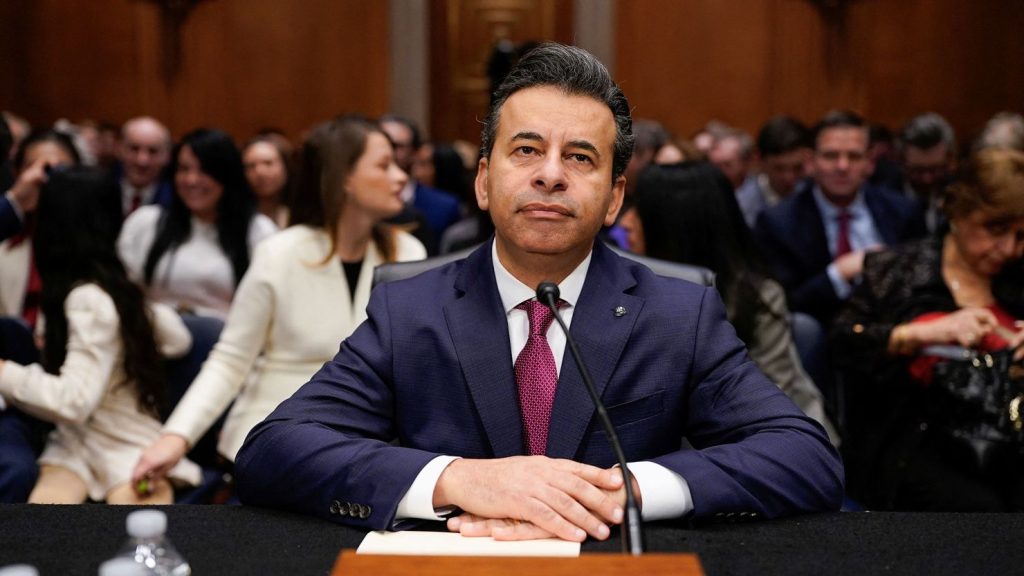
“We walked into a mess,” Makary said of the U.S. deficit that year. The FDA is exploring partnerships with hospitals and academic centres for pre-IND advice.
He called on the Trump administration to “partner with industry to help them deliver more cures and meaningful treatments for the American public because that is a common bipartisan goal that we all want. And we’re going to get it done in this administration.”
China’s biotech rise—from generics hub to innovation powerhouse—saw it conduct 7,100 trials in 2024 against the U.S.’s 6,000, grabbing nearly a third of global drug approvals. Projections indicate it could claim 35 per cent of FDA nods by 2040 amid lower costs and AI patent dominance.
U.S. policymakers face urgent calls to protect domestic R&D as funding pressures mount.