

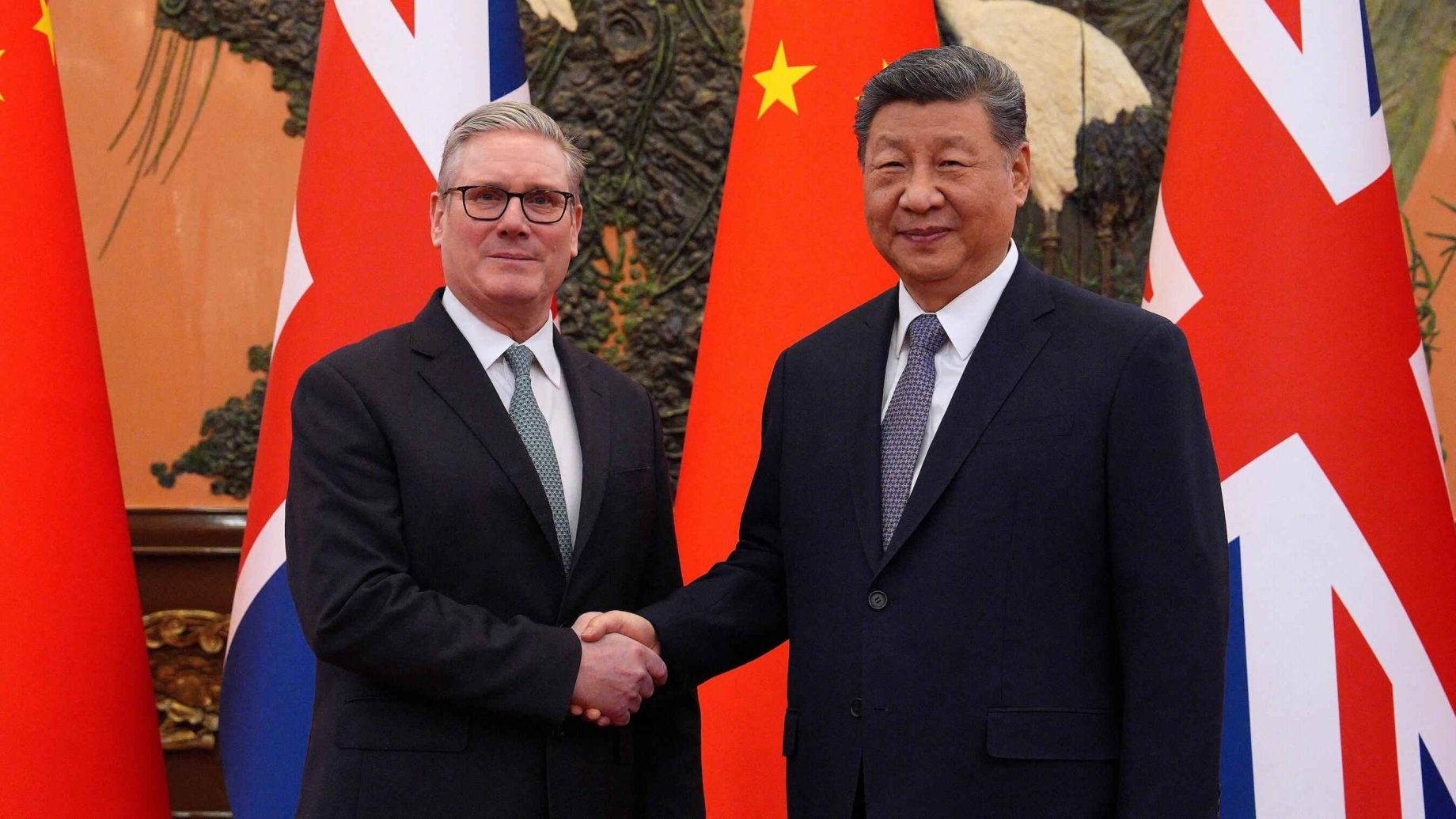
Sir Keir Starmer’s trip to Beijing signals a thaw in UK-China relations after years of diplomatic frost. Both leaders, facing economic pressures, pursued fresh trade and investment opportunities.
The first UK prime ministerial visit since Theresa May’s in 2018 highlighted British prowess in finance, pharmaceuticals, healthcare, renewables, and cars.
President Xi Jinping portrayed China as a steady Western partner amid U.S. President Donald Trump’s trade disruptions. No major free trade deal emerged, but pacts on visas, services, health, green tech, and finance promise better UK market access and Chinese investment.
AstraZeneca pledged $15 billion over four years for Chinese drug research and production—its biggest commitment there. Octopus Energy partnered with PCG Power for a digital electricity trading platform to aid renewables.
Greg Jackson, CEO of Octopus Energy who was part of the UK’s business delegation to China, flagged that the country’s scale and innovation have made solar, wind energy, and batteries cheaper.
“Now there’s a huge opportunity for Britain to succeed as we build the solutions that use these products to cut the cost of electricity,” he added.
China cut Scotch whisky tariffs in half, potentially adding £250 million to the UK economy over five years.
“Our whisky distilleries are the jewel in Scotland’s crown,” Sir Keir said. “This is proof that our pragmatic, hard-headed international engagement brings benefits at home,” he added.
Britons gain 30-day visa-free travel to China for holidays or business, matching perks for 50 nations. Both sides vowed to combat migrant smuggling.
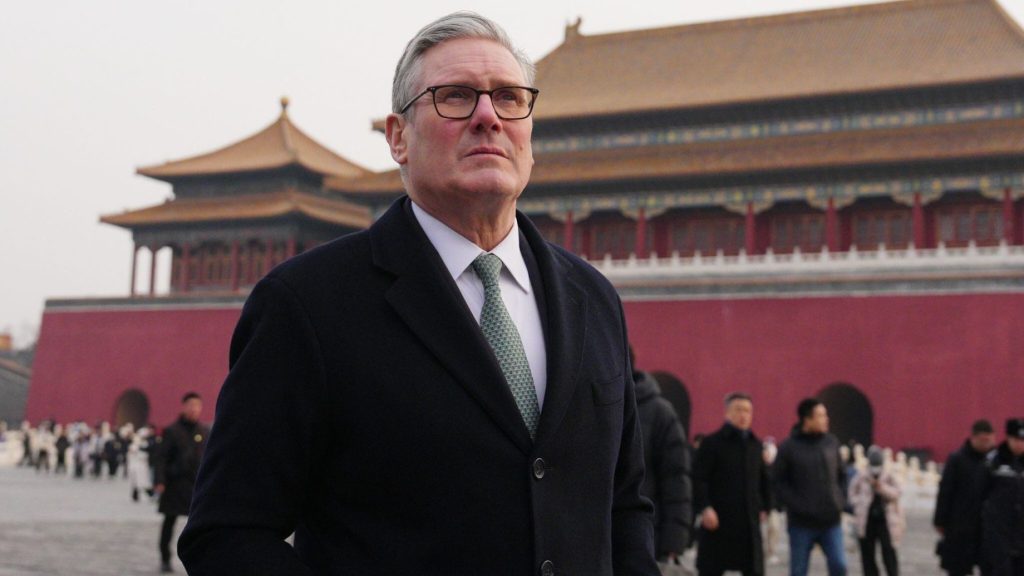
Beijing benefits from ties to a key European-U.S. ally, easing exports of electric vehicles and solar panels. Chinese media called it a step to turn “the potential of China-UK cooperation into real achievements that benefit both peoples and the world.”
“The prime minister’s visit, the first in eight years, is a significant moment, signalling the importance of the economic relationship between the UK and China,” Chris Fitzgerald of Octopus Energy told the BBC.
“Such partnerships mean we can bring affordable, secure, clean energy to British customers… And we can use our technology and know-how to bring some of the same benefits to Chinese customers.”
Challenges persist with China’s red tape and opacity, though firms like Octopus remain optimistic. “Any market has its own challenges, so of course we’ve got to be clear eyed and seek expert advice,” Fitzgerald said.
“We have had good discussions with the Chinese officials who have welcomed our entry. And we have been careful to choose an excellent partner. So we are excited to take the immense opportunity that the world’s largest renewable energy market offers.”
Sir Keir balances growth needs against U.S. tariff threats, insisting on no choice between Washington and Beijing. He deemed Xi talks “very warm,” hailing visa and whisky deals as trust-builders offering “really important access.”
“That is the way that we build the mutual trust and respect that is so important.”