

The gap nobody wants to talk about
New Zealand’s disaster insurance scheme is running on a funding model that Treasury itself says is more likely to fail than succeed. A January 2026 Cabinet paper confirmed the Natural Hazards Commission’s levy rate of 16 cents per $100 of building cover sits well below the technical rate of 24 cents needed to cover expected long-run costs. At the current rate, the scheme has just a 38% probability of sufficiency over five years.
That is not a rounding error. It means the most likely outcome is that the fund cannot pay what it owes without the Crown stepping in.
The NHC holds roughly $600 million in reserves but must cover the first $2.1 billion of claims before its $9.2 billion reinsurance programme kicks in. That leaves a $1.6 billion hole that only the taxpayer can fill. Treasury’s own risk management statement put the probability of Crown support being needed by 2029 at 35%.
Finance Minister Nicola Willis delayed any levy increase until after the election, citing the pressure households already face from rising private premiums. The political logic is obvious. The fiscal logic is the opposite.
Private markets are already repricing without permission
While the public scheme drifts, the private market is doing its own brutal correction. Residential property insurance premiums have risen ninefold over 25 years, or fourfold in real terms, with a 40% increase in just the past two years. The Treasury Cabinet paper confirmed home insurance has been growing at three times the general CPI rate since 2011.
A Finity Consulting report commissioned by Treasury found total premium increases of 14.4% on a gross basis over a single year, with access becoming constrained in zones combining flood and seismic exposure. University of Auckland researcher Rohan Havelock noted in March that underfunding means “either higher levies in future or greater reliance on the Crown guarantee in major events.”
The weather is cooperating with nobody. IAG data showed 33,174 storm claims in the 12 months to February 2026, a 256% increase from 9,324 the prior year.
Spending $64 billion on cleanup and almost nothing on prevention
IAG’s report published this week identified 42 gaps in the country’s natural hazard management, calling the approach “ad hoc and piecemeal” and warning it will “permanently constrain the economy if nothing changes.” IAG spokesperson Bryce Davies said the country “risks stalling on progress because the problem seems too big and too scary to solve.”
The numbers bear that out. In 2025, a Sapere Research Group analysis commissioned by IAG found total natural hazard costs since 2010 exceeded $64 billion, averaging $5.5 billion annually. The damning detail: 97% of government expenditure went to response and recovery, only 3% to risk reduction. Every dollar invested in prevention was found to save four dollars in recovery.
Insurance Council chief executive Kris Faafoi proposed scrapping the FENZ levy and replacing it with a Community Protection Levy, potentially freeing $600-700 million annually for hazard reduction. Local Government New Zealand president Rehette Stoltz told RNZ that councils “cannot carry a national problem on local balance sheets.”
The flood-shaped hole in the public scheme
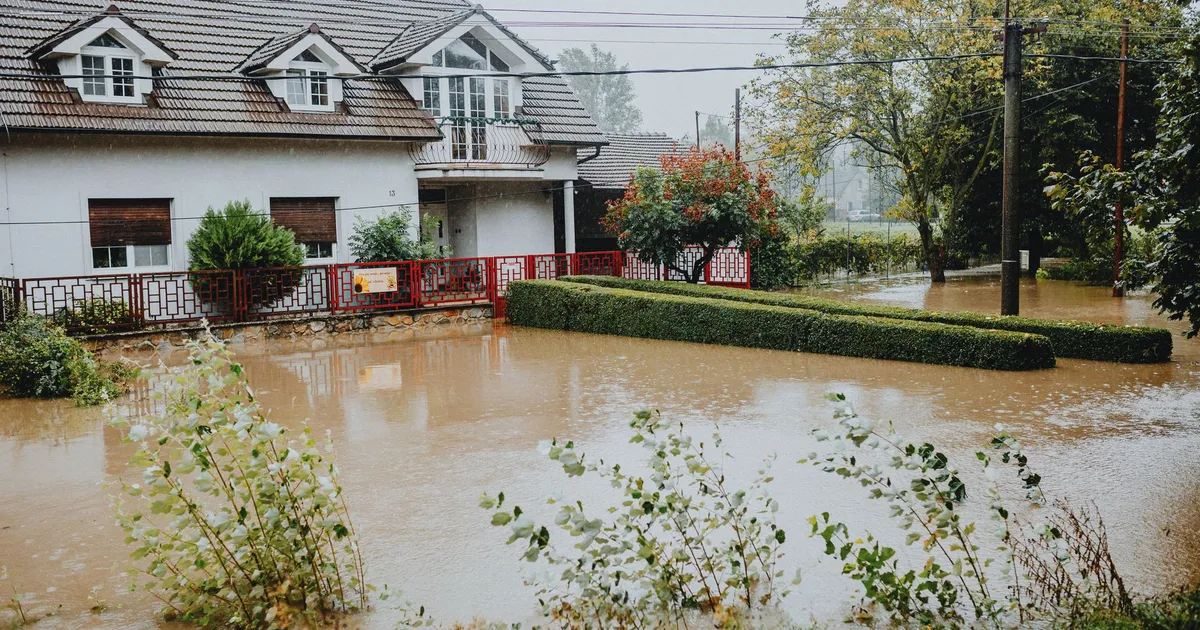
The fastest-growing hazard barely touches the NHC. Building damage from flooding is handled by private insurers, not the public scheme. Roughly 556,000 properties face inland flooding risk with a collective replacement value of $235 billion. Victoria University of Wellington Emeritus Professor Jonathan Boston has called for expanding the NHC mandate to cover weather-related perils.
A Newsroom commentary made the structural case: “Systems that rely on the private market and individual responsibility, rather than introducing some collective solidarity, lose insurance accessibility.” The counterargument is real too. A scheme that repeatedly pays to rebuild homes in known flood zones entrenches risk rather than reduces it.
What business owners should be pricing in
The levy increase is deferred, not cancelled. Treasury’s recommended rate of 24 cents would lift the maximum annual levy per dwelling from $554 to $828, adding approximately $464 million annually. If another major event hits before the election, the political pressure to go higher will be intense.
For anyone holding property, running a business with physical assets, or financing development in risk-exposed zones, the message is straightforward. The public scheme is underfunded by Treasury’s own admission. The private market is repricing aggressively. And the government has chosen to wait. The only question is whether the next earthquake or flood arrives before or after the ballot box.
Sources
- Cabinet Paper ECO-26-SUB-0003: Insurance Affordability and NHI Act financial settings (2026-01-28)
- NZ Herald: Natural Hazards Commission to remain underfunded as Government delays levy hike (2026-06-11)
- RNZ: Mandatory public insurance levy? Paying the price for climate change (2026-06-11)
- RNZ: IAG slams govt’s approach to natural hazards in new report (2026-06-11)
- Treasury: Funding and Risk Management Statement for NHC (2024-08)
- NHC Annual Report 2023/2024 (2024)
- Treasury: Finity Consulting Insurance Data Collection Report (2024-05)
- University of Auckland: Rising house insurance costs raise tough questions (2026-03-11)
- Newsroom: NZ homes are uniquely insured against quakes; floods should be the same (2026-02-27)
- B2B News: IAG warns insurance will ration climate risk government won’t manage (2026-06-12)
- Insurance Business: Professor urges NHC shake-up and levy as home insurance costs keep rising (2026-06-09)