

A billion dollars nobody gets to look at
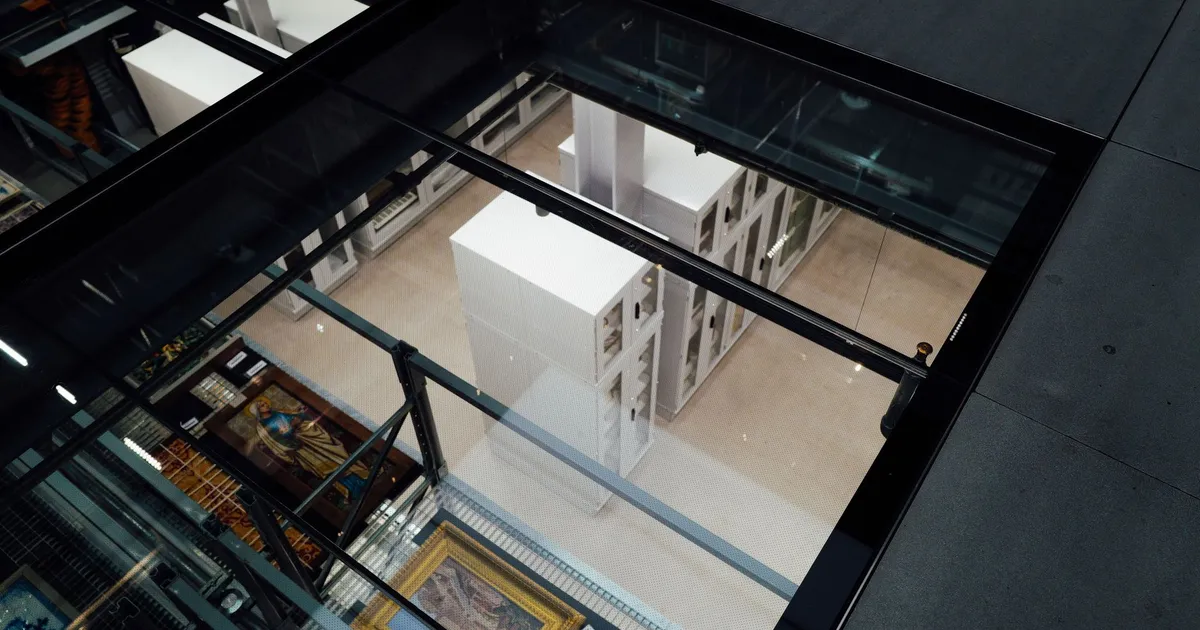
New Zealand councils are sitting on a portfolio of art worth $1.12 billion, spread across more than 71,000 pieces, according to a new Taxpayers’ Union report. The number that should stop ratepayers in their tracks is this one: only 33% of those works are on public display. That leaves roughly 47,500 pieces in storage, unseen, generating no public benefit while councils carry the insurance and storage cost.
This is not a culture war. Nobody sensible is arguing councils should own zero art. The question is narrower and sharper: why is two-thirds of a billion-dollar public asset locked in a climate-controlled room instead of either serving the public or being turned into something a community can actually use?
The mayor making the case
What gives this story teeth is who is making the argument. Rotorua Mayor Tania Tapsell, appearing on the Mike Hosking Breakfast, did not reach for the usual defence of the status quo. She described art in storage as money on a balance sheet that could be invested elsewhere, and pointed out that the insurance cost alone on council-held art would be enough to fund community amenities her ratepayers actually want, in her case hydro slides.
Her summary was blunt: display them if you can. When a sitting mayor volunteers the opportunity-cost argument rather than a think-tank being paid to make it, the critique is harder to wave away as ideology.
The squeeze is real
The timing matters. Councils are already stretched. Insurance and maintenance liabilities are climbing, rate caps are biting, and core infrastructure keeps demanding capital. The Auckland Museum situation illustrates the bind. RNZ has reported that the museum draws roughly $35 million a year from Auckland ratepayers, and has projected that figure needing to rise toward $46 million within a couple of years, while facing asbestos-removal costs of more than $10 million and having already cut about 10% of its staff. When Arts and Culture Minister Paul Goldsmith signalled no central-government money was coming, the bill landed back on ratepayers.
That is the fiscal reality against which the art numbers should be read. Every dollar tied up in a stored painting is a dollar not available for a pipe, a road, or the very buildings meant to house public collections.
Why “just sell it” isn’t simple
Here is the honest counterpoint. Liquidating a billion dollars of art is far harder than it sounds. Auction data shows the entire New Zealand art market turned over about $28 million across 4,660 works in 2025, at an average of roughly $6,000 a piece, after around $44 million the prior year. Councils’ $1.12 billion holding is worth somewhere between 26 and 40 times the whole annual auction market. You could not dump it at book value without collapsing prices. A mass sell-down is not the answer, and pretending otherwise is lazy.
But that cuts both ways. If the collection is so large the market cannot absorb it, that itself is evidence councils have accumulated far more than any public-display purpose requires. The realistic play is not a fire sale but disciplined asset management: display what serves the public, deaccession selectively over time, and stop treating a growing storeroom as costless.
The bigger pattern
This is a local-government version of a debate already running at the national level. In March 2026, New Zealand Initiative chair Roger Partridge argued that recycling mature Crown commercial assets could unlock more than $24 billion for infrastructure. The logic scales down cleanly. Capital parked in non-core holdings has an opportunity cost measured in hospitals, roads and water systems not built.
Ratepayer patience for this is thin. The Greater Wellington Regional Council’s 2024 long-term plan consultation recorded submitters demanding expenditure reviews and outright rate cuts. That mood has only hardened since.
What happens next
The Taxpayers’ Union number will fade from the headlines within a week. Whether it changes anything depends on whether other mayors follow Tapsell’s lead and treat their stored collections as a management problem rather than a sacred cow. The test is simple. Councils asking ratepayers for more should be able to explain why they are insuring tens of thousands of works nobody can see, and what the plan is to either show them or let them go.
Sources
- “Display them if you can”: Rotorua Mayor Tania Tapsell on the report finding councils sit on $1.1b of art (2026-07-28)
- Mayor backs Auckland Museum’s request for government funding – but it has no plans to help
- Taxpayer Talk: Roger Partridge on selling public assets to build better infrastructure (2026-03-04)
- New Zealand Art Auction Sales – Numbers Offered and Sold
- Greater Wellington Regional Council – Revenue and Financing Policy Consultation Report (2024-05-30)