

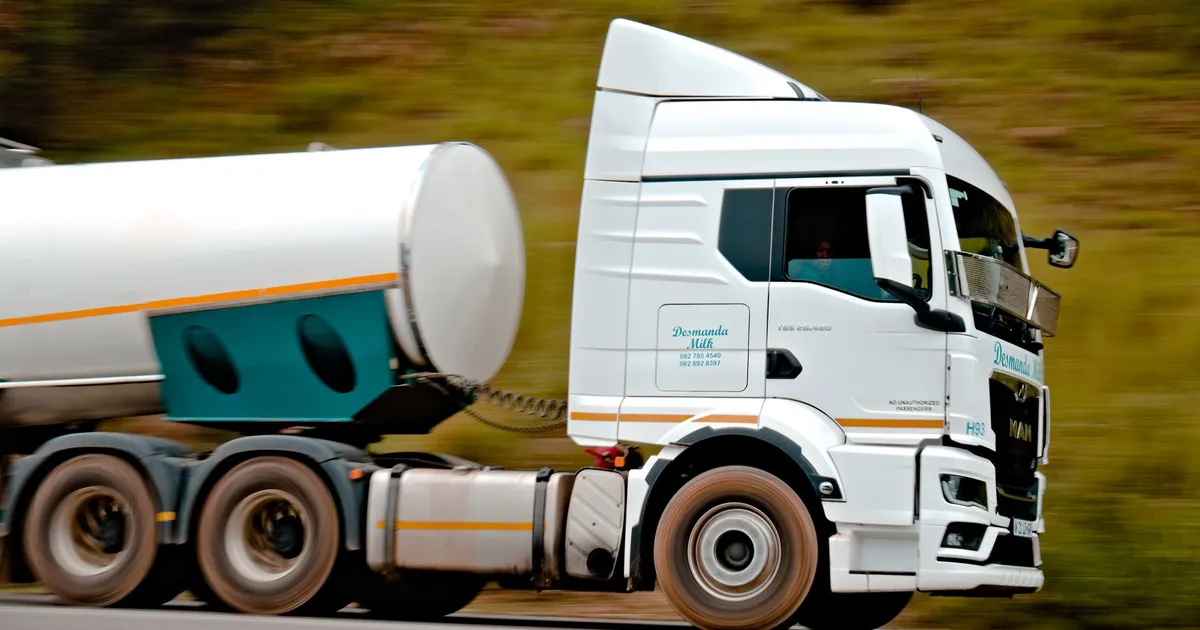
Fonterra has a reasonable problem and an unreasonable ask. The co-operative has applied to Environment Canterbury to vary seven wastewater consents at its Clandeboye, Darfield and Studholme sites so it can dispose of up to 22,340 cubic metres of raw milk, roughly 22 million litres. The trigger it cites is a possible peak-season surplus in FY27, and perhaps FY28. The permission, if granted, would run for the life of the original consents, which stretch out to 2045.
That mismatch between a short-term contingency and a multi-decade allowance is the real story. It is also the question most coverage has skipped.
A perishable product with a hard deadline
Fonterra’s case for having a fallback is not frivolous. “We deal with a perishable product that needs to be processed within 24-36 hours,” a spokesperson said. The co-operative points to 24 manufacturing sites nationwide, the option of trucking milk north or changing product mix, and notes on-farm disposal is already a last-resort tool elsewhere in the country.
It also says it has not needed to dump milk this season, is already past the late October to mid November peak, and does not expect to need disposal next season either, crediting winter capacity works across its network.
Federated Farmers welcomed the application as prudent risk management. From a supplier’s perspective that is fair. A farmer whose milk cannot be collected on a peak day is losing income, and a processor that plans for that is doing its job.
The cows arrived before the stainless steel did
What Fonterra will not say is what the “processing constraints” across the South Island actually are. The numbers suggest an answer. National production hit a record 2.02 billion kg of milksolids in 2025/26, and the South Island leads on output per cow and per hectare. Canterbury’s herd sits at just over 970,000 cows, up 2.1% on a year earlier, double the national rate, and Environment Canterbury has kept consenting additional cows since a temporary conversion freeze lapsed in January 2025.
Put simply, the region’s regulator has approved more milk faster than the region’s dominant processor has built capacity to handle it. That is not a scandal, but it is a planning gap, and it belongs on the agenda of Fonterra’s farmer-owners. The co-operative’s FY26 performance review, published on 5 November, is the natural place for shareholders to look for any acknowledgement of tight peak-season capacity before this filing went in on 2 October.
Why a temporary fix needs a permanent permit
Fonterra’s technical memo argues raw milk contains the same things as its already-consented wastewater, just more concentrated, and that it can be mixed into irrigation streams or injected into soil with effects that are minor and even beneficial for pasture. It wants the variations processed without public notification.
The Environmental Law Initiative disagrees sharply. Senior researcher Anna Sintenie says the change in substance and scale is “vast”, adding that “twenty-two million litres is more than four litres of milk for every person in New Zealand”. The group has argued that the council should demand a fresh, standalone application rather than bolt milk onto consents designed for plant wash-down water. Greenpeace has gone further, framing the bid as an affront to households paying record prices for butter.
The activist rhetoric overreaches. Dairy research has long shown that some loss at farm and processor level is a structural feature of a perishable, weather-exposed supply chain, and a disposal option used rarely is cheaper for everyone than overbuilding plants for a few peak days.
But the consent design is a fair target. If the problem is FY27 and FY28, a permit expiring after FY28 would solve it. Asking for standing permission to 2045 converts a contingency into a capacity strategy, and removes the cost pressure that would otherwise force investment in drying towers, tankers or North Island transfers.
The reputational bill comes due first
For the country’s largest exporter, the risk here is less environmental than commercial. Fonterra sells provenance to customers who audit sustainability claims. A standing licence to pour milk onto paddocks is an easy headline for competitors and critics, and the co-operative chose to invite it by asking for more than it needs.
Environment Canterbury now has a straightforward option. Grant a time-limited variation tied to the stated seasons, notify it publicly, and make Fonterra come back with evidence if the constraint persists. That protects farmers during peak flows, keeps the regulator credible, and puts the onus where it belongs, on the processor to show it is building resilience rather than consenting around its absence.
Sources
- RNZ: Fonterra seeks permission to dump millions of litres of raw milk (2026-11-23)
- The Press: Fonterra seeks permission to dump millions of litres of raw milk (2026-11-22)
- Farmers Weekly: Fonterra seeks consent to dispose of 22 million litres of milk (2026-11-23)
- Fonterra: Review of FY26 Performance (2026-11-05)
- Environmental Law Initiative: No to spilt milk, ECan must reject Fonterra’s bid to dispose of 22.3 million litres of surplus milk
- Greenpeace Aotearoa: Pollution from Fonterra’s spilt milk enough to bring tears to your eyes
- Journal of Dairy Research
Join the discussion
Add useful context, ask a good question, or challenge an idea — keep it specific and respectful.