

The Civil Aviation Authority did not need a formal performance improvement plan to dismiss a security officer caught reading a book and resting their head on the desk mid-shift. It needed an earlier, documented second chance for the same conduct. It had one, and the Employment Relations Authority backed it.
For business owners, the lesson has little to do with airports. Progressive discipline is meant to produce improvement. When it does not, and the employer can prove exactly what was addressed the first time, the path to dismissal gets much shorter.
Two hours at the X-ray machine
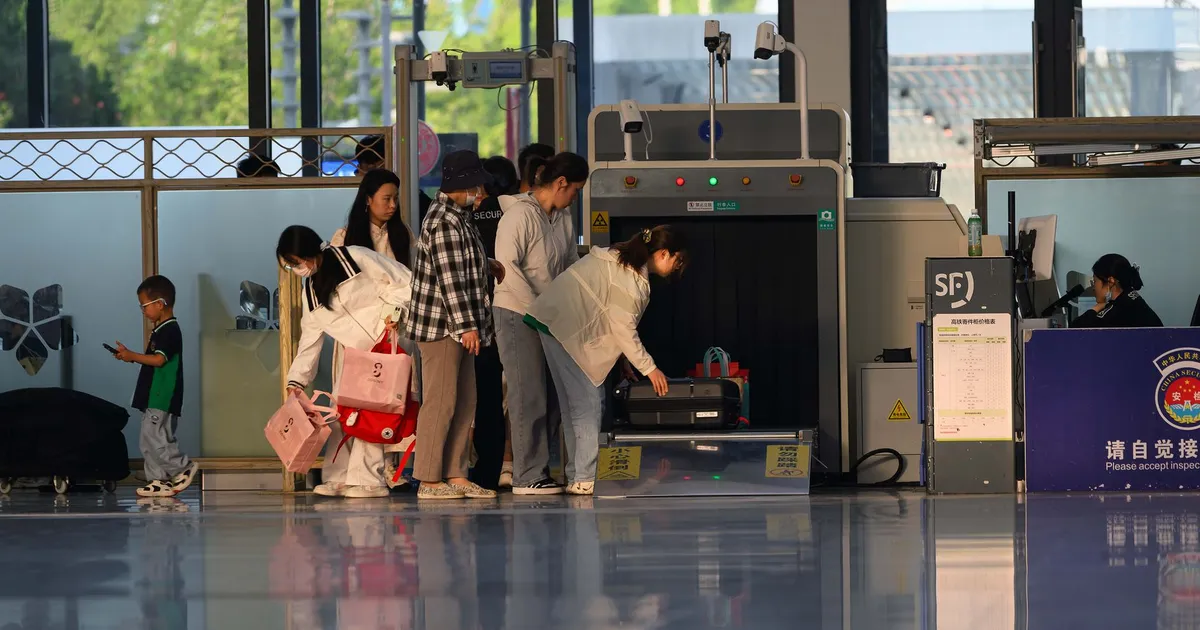
During a non-passenger screening shift on 17 January 2025, a team leader and a manager separately watched the officer, who has permanent name suppression, stand away from the machines, leave the conveyor running without assessing images, skip required ballistics testing, do one-handed pat-downs, read a book and rest with their head down and eyes closed. The officer was dismissed on 23 February 2026.
The officer admitted not following procedure but argued they had screened items by rewinding the footage afterwards. The CAA found multiple instances where the belt was never rewound, or rewound only after people had already passed through.
The first warning did the heavy lifting
Months earlier, the same officer had been caught reading a book and not properly watching an X-ray screen in a passenger-facing role. That led to a discussion with their manager and further training. In the Authority, the officer’s own evidence that they had already received a second chance for the same conduct was used to establish they understood what was required.
Authority member Claire English found the dismissal justified in [[2026] NZERA 853](https://eldp.co.nz/cases/2026-nzera-853), issued on 16 November, rejecting claims of unjustified dismissal and disadvantage, including complaints about a lengthy paid suspension and unpreserved CCTV. She noted the officer was a seven-year, properly trained employee who knew what was expected.
No breach is not the same as no harm
The officer argued this was a performance issue that called for a PIP and wellbeing support, and that no security breach occurred. English disagreed. The screening was “focused on detection and prevention of security threats, including terrorist threats,” she wrote, and the role’s accurate and sustained performance was “of deep importance to CAA”. The harm was the CAA’s inability to confirm it had met its regulatory, contractual and international obligations, whether or not anything slipped through.
Fatigue and medication arguments also failed. A medical report said a condition could have contributed but was not the only cause, and the officer was found fully fit to work. The CAA also encouraged tired staff to take sick leave, which this officer had done before without consequence. The CAA described the risks of screening failure as “obvious, well-known, and potentially deeply harmful”.
Same conduct is what makes a warning count
This outcome is not automatic. Employment New Zealand’s 2024 guidance stated that a warning for one type of misconduct cannot be relied on for another, and that warnings can become too old to fairly use, though an employer may refer to an earlier warning where the conduct is similar. The CAA’s recurrence was near-identical, which is why it stuck.
BusinessNZ’s playbook for performance terminations involves documented gaps, written notice, and a PIP with a typical four-to-eight week timeframe. It separates that from misconduct which “deeply destroys the central trust and confidence” between the parties. The CAA case shows repeat conduct after a genuine second chance can move from the first box to the second.
Culture can undo the paperwork
Get it wrong and it is expensive. Simpson Grierson partner Rachael Judge points to a Waiheke support worker case where sleeping at work was listed as summary dismissal grounds, yet the employer paid six months’ lost wages plus $18,750 because context and workplace culture weighed against it. “If an employer allows a workplace culture to develop that tolerates certain conduct, it may be much harder to rely on the policy later,” Judge warns.
The stakes are rising. The Authority received 3,070 applications in 2025, up 12%, including 1,680 unjustified dismissal claims.
Write the second chance down
The CAA’s safety-critical role earned it some deference on harm, but its real advantage was replicable anywhere. It could show what conduct was addressed, what corrective step followed, and that the same conduct returned. It also enforced its standards consistently rather than letting practice drift.
Most small employers hand out second chances over a coffee and never record them. That generosity is fine until the problem recurs, at which point an undocumented chat is worth almost nothing. A two-paragraph file note naming the conduct and the remedy is what turns a second chance from a kindness into a defensible line. Employers who want the option of acting decisively next time should start writing those notes now.
Sources
- Stuff: Security officer sacked after resting head on desk with eyes closed and reading a book during X-ray shift (2026-11-22)
- NZ Herald: CAA security officer loses job after reading book during airport bag screening (2026-11-21)
- ELDP: AHN v Civil Aviation Authority of New Zealand [2026] NZERA 853 (2026-11-16)
- Daily8: CAA officer loses job after several failings, including letting bags through without checking X-rays (2026-11-22)
- Employment Relations Authority: Annual Report 2025 (2026-05-29)
- BusinessDesk: When sleeping on the job is not enough to justify dismissal (2026-06-11)
- BusinessNZ: Issues with the Employment Relations Act Disputes Management System (2026-07-31)
- Employment New Zealand: Warnings (2024-05-21)
Join the discussion
Add useful context, ask a good question, or challenge an idea — keep it specific and respectful.