

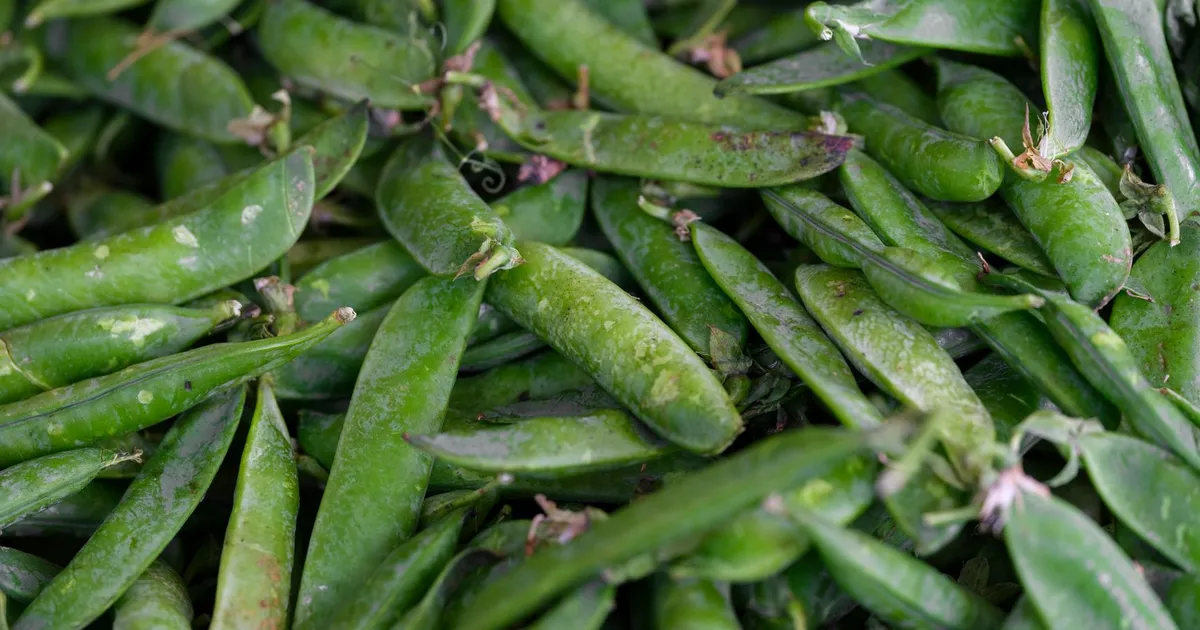
The most useful thing a $50,000 government-funded feasibility study has told Hawke’s Bay vegetable growers is what not to do. Its Stage 1 findings say “recreating the previous large-scale processing model is unlikely to be commercially competitive, given lower-cost imports and New Zealand’s higher energy, labour and freight costs,” and that the strongest opportunities lie in “higher-value and speciality products” competing on quality and provenance “rather than price alone.”
That is a blunt verdict for a region that lost its anchor processor this year. It is also correct. The Bay does not need a replacement McCain. It needs crops that pay growers for what they do well.
The factory was never coming back
McCain’s Hastings exit left more than 100 growers of peas, corn, beans and carrots looking for a buyer. The grower-led rescue lasted barely four months. In July, growers abandoned the takeover bid after McCain made its processing equipment unavailable for sale. Grower spokesperson Hew Dalrymple said at the time that losing the equipment “fundamentally changed the situation.”
McCain was not an isolated casualty. Heinz Wattie’s also announced site closures in March, and by September growers were asking a government inquiry to look at the bigger picture, including supermarket power, foreign subsidies and energy prices. When two multinationals walk away from the same region in the same month, that is a market signal, not bad luck.
A $100 million cheque nobody can write
Even with the equipment, the co-operative dream had a hole in it. Back in June, Otane grower Hugh Ritchie estimated that the annual working capital demands of running a processing operation could reach $100 million, adding that “it is not like farmers have great balance sheets and the cash to do that.”
That single number should end the debate. Central Hawke’s Bay District Council had already put out a tender for a viability assessment, awarded to Northington Partners, testing whether a grower co-operative could take on harvesting, processing, marketing and sales. Asking farmers to bankroll a commodity processor competing against state-backed rivals offshore is not resilience. It is a bet on the one game New Zealand is structurally built to lose.
There is no premium pea
BayBuzz commentator Tom Belford called this months ago. “Hawke’s Bay cannot prosper by producing commodity food of any kind. Full stop,” he wrote in April, adding the memorable line that “there is no such thing as a premium pea”.
He is half right. A frozen pea in a supermarket freezer is a commodity. But the study points to counter-seasonal export windows and value-added products where New Zealand provenance still commands a price. Tukituki water project chair Mike Peterson made the same case in June, arguing the region is suited to higher-value horticulture and that the McCain model was a demonstration of why “this is not the answer, growing low-margin vegetables for big multinational corporations.”
The growers themselves are now saying it. Former McCain pea grower Sam Reynolds, currently filling the gap with forage crops, conceded it “does look increasingly likely we are not competitive in the frozen vege market anymore,” noting that India’s spending on cold chain infrastructure means imports “are possibly only going to get cheaper.” Ritchie put it more sharply: “we aren’t the prairies of Canada or Western Australia… we are smaller areas and we have to play to our strengths.” Growers want to move to a Stage 2 study costing about $130,000 to test three options: higher-value processed vegetables for food service and speciality markets, frozen pea exports, and value-added products for export.
The right kind of government help
There is an obvious irony here. Reynolds criticises China and India for subsidising factories, then asks Wellington to co-fund another study. But the distinction matters. A $130,000 research grant that helps private growers and investors make better decisions is a world away from the state underwriting a processing plant. The first sharpens market signals. The second distorts them.
The government should fund Stage 2, set clear commercial tests, and then step back. Ritchie’s own instinct is the healthy one: growers who want an alternative “need to be prepared to go and help ourselves.” If a viable speciality or export product emerges, private capital, perhaps a larger food company treating vegetables as a companion line, as Ritchie has suggested, should carry it from there.
What Stage 2 has to prove
The frozen pea export option looks like the weakest of the three, because it is still a volume play against the same cheap competitors. The real test is whether growers can find products with enough margin to justify more intensive, more complex farming without a nine-figure working capital bill attached.
The Bay has the soils, water and sunshine. What it has lacked is a business model that rewards them. Stage 2 is the chance to find one, provided nobody uses it to sneak the old factory back in through the side door.
Sources
- RNZ: Hawke’s Bay vegetable growers on the hunt for higher value crops after McCain closure (2026-11-04)
- RNZ: Hawke’s Bay growers abandon bid to save McCain factory after equipment pulled (2026-07-29)
- Newsroom: Growers fighting to save local vege processing ask Govt to look at bigger picture (2026-09-18)
- Farmers Weekly: Hawke’s Bay defends dam plans after McCain exit (2026-06-04)
- GETS: Viability Assessment for Hawke’s Bay Process Vegetable Sector (2026-07-20)
- BayBuzz: Growing peas won’t work anymore (2026-04-24)
Join the discussion
Add useful context, ask a good question, or challenge an idea — keep it specific and respectful.