

A disaster that was written down four years early
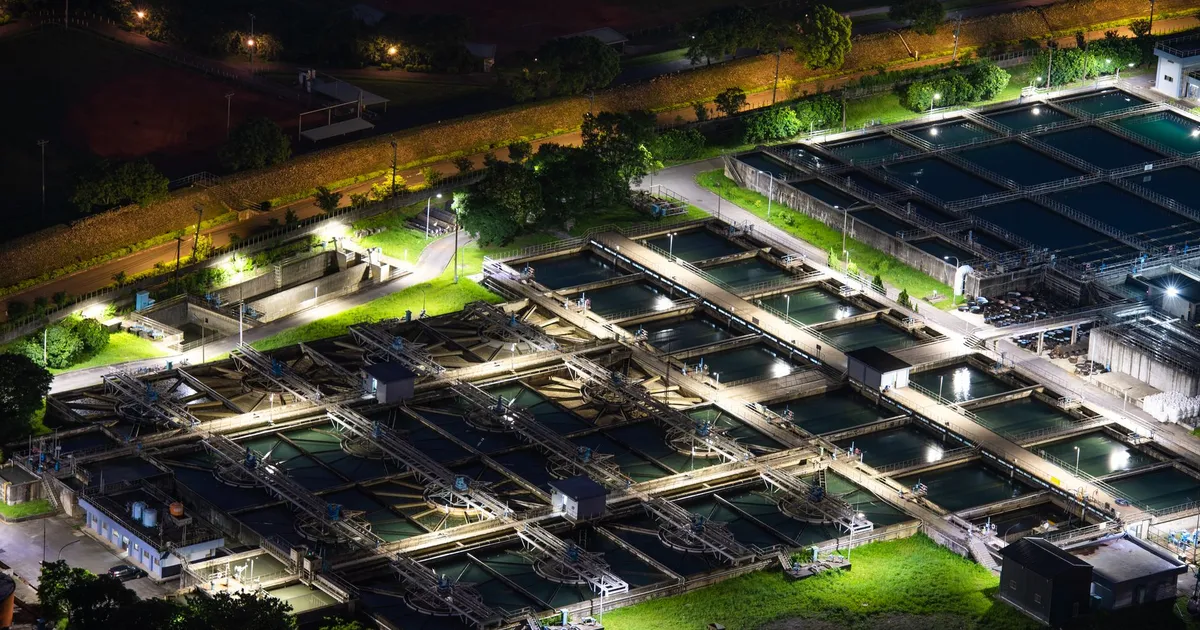
On 4 February 2026, a trapped air bubble in a bypass pipe flooded critical electrical gear at Wellington’s Moa Point wastewater plant and shut down the city’s primary sewage treatment facility. Since then roughly 14 billion litres of untreated sewage has been discharged into Cook Strait.
The Crown review released this week found no single decision caused it. Instead it identified a litany, the cumulative effect of weaknesses in management, stewardship and accountability, and longstanding systemic failures of leadership across Wellington City Council, Wellington Water and plant operator Veolia. Review chair Raveen Jaduram put it bluntly: the most concerning aspect was that this probably could have been avoided.
The warning signs were on paper. Wellington Water’s own FY2021/2022 resource consent report, published nearly four years before the failure, recorded the bypass flow rate nearly doubling from 223 to 396 litres per second in a single year, along with persistent consent exceedances. Nobody acted.
No one acted like they were in charge
The review, built on 16 interviews and 700 documents, found the council as owner and consent holder remained ultimately accountable but did not demand enough information, Wellington Water had no detailed management or funding plan, and crucial warning signs were missed. Jaduram named the structural fault directly: there were so many players involved, Wellington Water, Veolia, Filtec, and the council as owner and consent holder. A governance vacuum, in plain English.
The businesses that actually paid
While the agencies sorted out who owned the failure, the businesses on the south coast carried the loss. By April 2026 around 25 businesses had lost between 25 and 70 percent of revenue. The council stood up a $200,000 relief fund with grants up to $35,000, but set a 50 percent year-on-year revenue drop as the eligibility bar.
A council report tabled on 27 August revealed the result: 15 applications, 3 approved, $84,540 paid out. Two businesses reporting drops of 34 to 38 percent missed the cut. Dive Wellington owner Dave Drane called the threshold ridiculous, saying by that time your doors are closed, you’re bankrupt, and you’ve let all your staff go. Real Surf owner Roger Titcombe said trade was worse than the 2008 global financial crisis, and had not paid himself in months.
The contradiction the council won’t confront
Here is the part that should sting. The relief scheme was built on the premise that the failure was an unforeseeable event. The Crown review has now confirmed the opposite. Business group Destination KRL general manager Steve Walters drew the obvious conclusion: the compensation was managed as if this was unforeseeable, now we can see it was foreseeable, so that deserves a reconsideration of the support.
The council’s answer, via acting chief executive Anna Calver, was that it does not have the ability to just set up a compensation scheme, and has to be careful about investments made on behalf of ratepayers. The council is not planning to revisit the scheme. Worth remembering these same businesses pay the highest commercial rates in the country. They are not on a discount deal.
Don’t let the outsourcing spin take hold
The Public Service Association seized on the report to argue that outsourcing public services to private companies just doesn’t work. It is a tidy line that the review does not support. The Crown review placed ultimate accountability on the council, a public body, not on Veolia. The private operator inherited a governance vacuum created by public agencies that could not decide who was in charge. The failure was one of stewardship, not ownership structure.
What happens next, and what it teaches
Veolia expects the plant to resume treating sewage from November and be fully operational by February 2027, a full year after the failure. New entity Tiaki Wai has accepted the review’s six recommendations and the council is recruiting an official to oversee it. Prosecutions remain possible, with no decision expected before December.
None of that returns the eight months already lost. The lesson for every business owner reliant on public infrastructure is uncomfortable but clear: when governance fails, the public agencies argue process and protect ratepayers’ money, and the private operators next door absorb the losses. Accountability, when it finally arrives, does not come with a cheque.
Sources
- Businesses still paying the price eight months on from catastrophic Moa Point failure (2026-09-03)
- Moa Point disaster caused by systemic leadership failures, damning report finds (2026-09-02)
- Moa Point failure could have been avoided, Crown investigator says (2026-09-03)
- Moa Point: Catastrophic sewage plant disaster caused by litany of systemic failures (2026-09-01)
- Moa Point failure a ‘nightmare’ for Wellington businesses, group says (2026-04-30)
- Moa Point Failures Demonstrate Why In-House Public Services Must Be A Priority (2026-09-02)
- Moa Point Wastewater Treatment Plant Annual Report FY2021/2022 (2022-07-27)
- Moa Point Sewage Plant Disaster Caused by Litany of Systemic Failures (2026-09-02)