

From information gaps to a benefits package
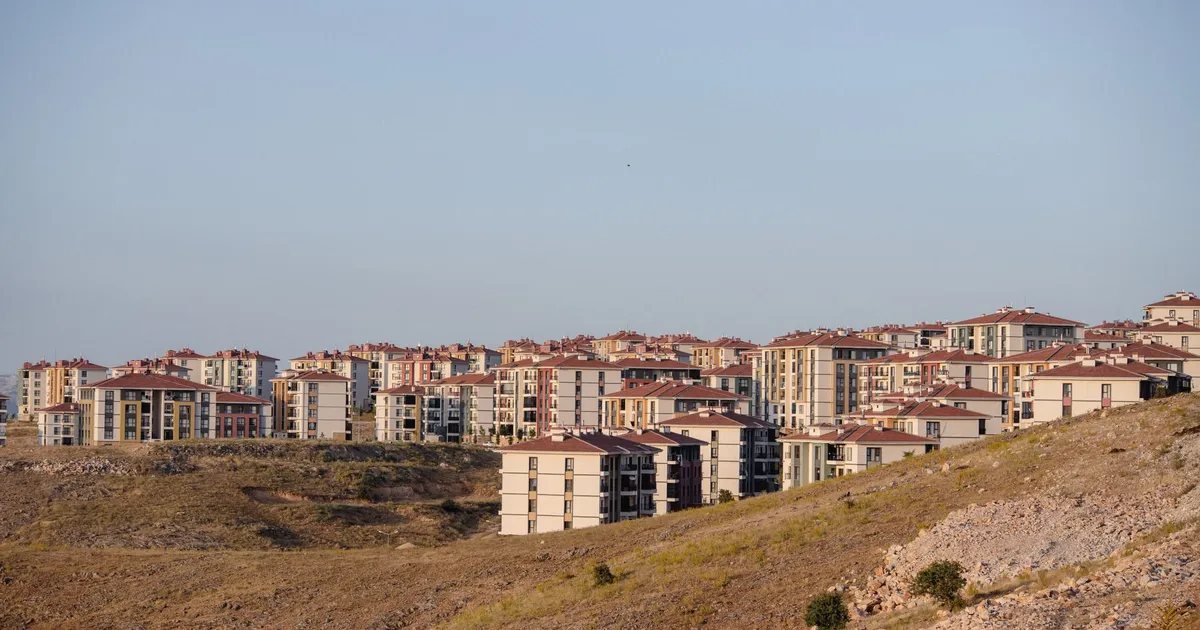
Ridgeburn Ltd’s third crack at the fast-track gate is a masterclass in reading the room. The 1,210-house development and commercial precinct near Arrowtown was temporarily withdrawn in July 2026 after councils flagged “significant information gaps” and the panel convenor decided it was not ready for an expert panel. One revision cycle later, the same project reappears loaded with public benefits.
The revised September 2026 application adds $27 million in road safety upgrades beyond the development boundary, including a new State Highway 6 roundabout, a Queenstown Trails Trust contribution and a bus loop connecting Ridgeburn to Frankton and central Queenstown, plus $2 million to NZTA for any further upgrades it deems necessary. On top of that sit 135 homes rent-capped at 10% below market and 45 reserved for first-home buyers, sweetened with a $70,000 interest-free deposit loan.
Reframing sprawl as community
Ridgeburn director Kurt Gibbons is not selling a subdivision. He is selling a town. “We’re not taking a big plot of land and cutting it up into sections and moving on. We’re building a community,” he said, pitching the affordable homes at “teachers, nurses, police officers, hospitality workers” who can’t buy where they work. On the location problem, he leans on geography: “You can’t build in 95 percent of Queenstown,” he argued, because most of the basin is protected landscape and Ridgeburn is not.
The language is deliberate. The Fast-track Approvals Act 2024 lets Ministers refer projects to an expert panel that seeks comment from councils and other listed parties rather than taking public submissions. Applicants who can credibly demonstrate significant regional benefit move fast. Those who can’t get sent back for more information, as Ridgeburn learned the hard way. Front-loading roads and affordable housing is the rational response to a system that rewards exactly that.
The opposition isn’t buying the sweeteners
The Queenstown Smart Growth Initiative, formed to fight the project, calls the infrastructure spend the “bare minimum”. Spokesperson Hanna Pettit argued the $27 million “will likely only be one or two years” of the congestion cost the community will wear. On the deposit loan, she was blunt: “if people can’t afford their deposit then can they be affording their mortgage?”. More than 120 Arrowtown residents rallied against the plan in July.
Queenstown-Lakes councillor Jon Mitchell wants the wastewater plan scrutinised and warns that without restrictions the affordable homes could flip to Airbnb, gutting the workforce-housing rationale. Mayor John Glover has questioned whether developments outside zoned growth areas should be fast-tracked at all.
Who carries the residual risk
This is the structural issue for business, not just for Arrowtown. When developers set the terms of their own infrastructure contributions, councils lose the sequencing control conventional planning gives them. LGNZ president Rehette Stoltz warned in August 2026 that some fast-track projects “potentially create heavy liabilities for councils down the line”, with some “heavily subsidised by ratepayers, counter to the goal that growth should pay for growth”. Glover has put the potential funding gap from fast-track developments at “hundreds of millions of dollars”.
The Act exists for good reason. A February 2024 Ministry for the Environment analysis put the cost of the consenting logjam at $1.29 billion a year, with timeframes nearly doubling over five years. MBIE’s December 2025 construction pipeline report credits fast-track with reviving projects “static for some years,” and forecasts national construction rising from $55.7 billion to $65.4 billion by 2030. Nobody serious wants the old system back.
The template everyone will now copy
The more useful read for developers and investors is that Ridgeburn is setting a benchmark. Want to build outside the spatial plan in Queenstown-Lakes? Expect to fund the roundabout, cap the rents, reserve the first-home stock and run the bus. That raises the cost and complexity of out-of-sequence development, but it also hands the next applicant a costed playbook.
The question the expert panel must answer, if the revised bid clears the completeness bar, is whether $29 million and 180 homes are proportionate to the infrastructure risk a greenfield town six kilometres past the growth boundary loads onto the district. LGNZ’s answer is already on record, and it is a no. Fast-track was pitched as a bypass. In practice it is a negotiation, and the price of admission just went up.
Sources
- Revised Ridgeburn bid promises affordable Otago housing, road upgrades (2026-09-02)
- Ridgeburn fast-track application temporarily withdrawn (2026-07-23)
- ‘A very special place’: Arrowtown residents rally against fast-track housing plan (2026-07-29)
- Changes to fast-track development contributions welcome but problems remain – LGNZ (2026-08-14)
- Supplementary Analysis Report: Fast-track Approvals Bill – Ministry for the Environment (2024-02-29)
Join the discussion
Add useful context, ask a good question, or challenge an idea — keep it specific and respectful.