

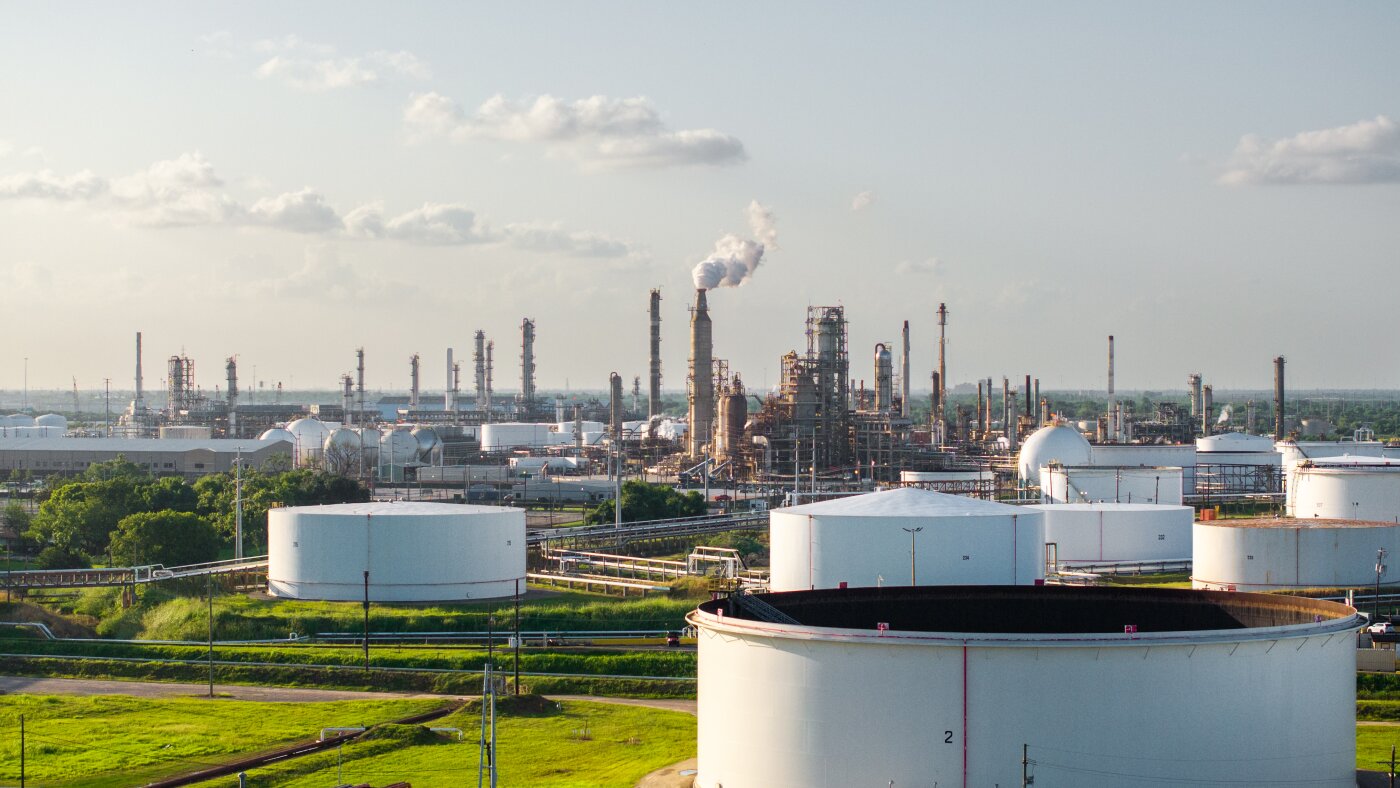
The International Energy Agency (IEA) has approved an unprecedented release of 400 million barrels from its members’ strategic oil reserves to counteract crippling supply disruptions from the Iran conflict, marking the largest such effort in the organisation’s 50-year history.
Announced on Wednesday after intense discussions at IEA headquarters, the decision comes as the Strait of Hormuz, a narrow waterway off Iran’s coast carrying one-fifth of global oil trade, remains paralysed by fears of attacks on tankers, forcing shipowners to reroute cargoes around Africa at enormous expense.
IEA Executive Director Fatih Birol, speaking from Paris, captured the stakes. “The conflict in the Middle East is having significant impacts on global oil and gas markets, with major implications for energy security, energy affordability and the global economy for oil,” he said.
He revealed that the 32 member nations, mostly advanced economies in Europe, North America and Asia-Pacific, unanimously backed the move. “I can now announce that IEA countries have unanimously decided to launch the largest-ever release of emergency oil stocks in our agency’s history,” Birol added. These countries control over 1.2 billion barrels of public reserves, plus 600 million in mandated industry holdings, a buffer forged after the 1974 Arab oil embargo.
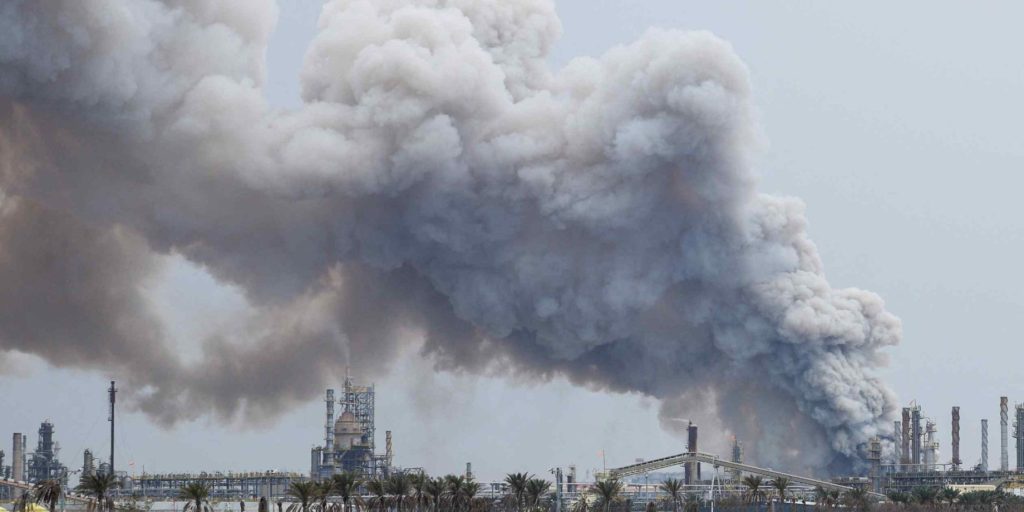
While the release lacks a rigid timeline—tailored instead to each nation’s circumstances—Birol stressed it offers only temporary relief. Restoring tanker traffic through the Hormuz chokepoint, which normally handles 20 million barrels daily alongside vital liquefied natural gas (LNG), remains essential.
The war, ignited on 28 February, has slashed Middle East output and damaged refineries, hitting diesel and jet fuel hardest. LNG supplies have dropped 20 per cent, pitting Asian giants like Japan against Europe in a scramble for cargoes that power homes and grids.
Consultants such as Rapidan Energy Group and Wood Mackenzie deem this history’s biggest supply shock, with even full IEA drawdowns unable to fully compensate. Brent crude has whipsawed from nearly $120 a barrel to around $90, per market data.
Japan plans to tap its stockpiles next week, Prime Minister Sanae Takaichi said, citing heavy Middle East reliance. Echoing its 2022 Ukraine response, the IEA’s gambit buys time, but enduring calm demands diplomatic progress amid U.S. sanctions and OPEC+ manoeuvres.