

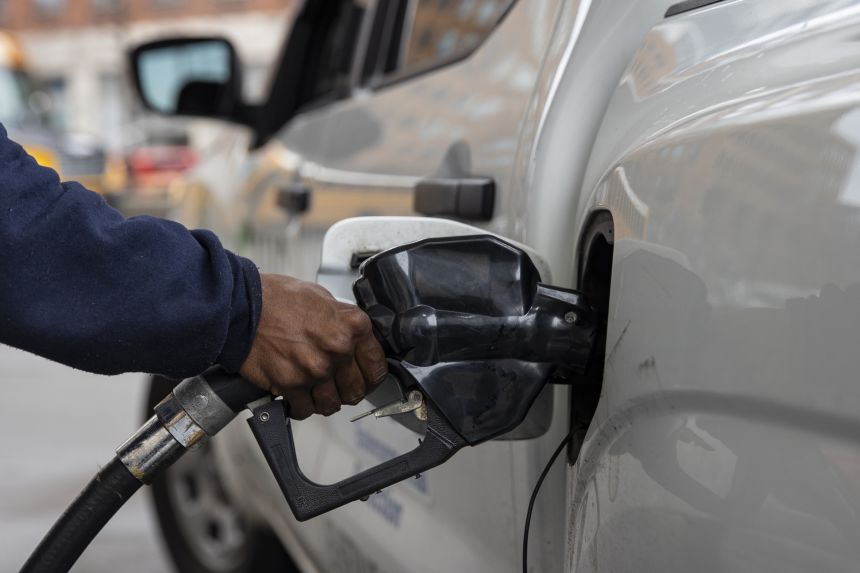
The U.S.-Israel military push against Iran is sending shockwaves through global energy markets, hitting consumers from Asia to Europe with soaring fuel and food prices.
Blockades choking the Strait of Hormuz—one-fifth of the world’s seaborne crude per IEA data—have forced suppliers to slash output dramatically, propelling Brent crude beyond £65 a barrel and rattling economies everywhere.
This dwarfs past crises like the 1973 OPEC embargo, with Iraq’s production down over 60% according to Reuters, and UAE, Kuwait, and Qatar’s LNG facilities idled by strikes that knock out 20% of global gas.
Spare capacity in the U.S., Norway, and Brazil can’t plug the gap quickly, while limited pipelines offer scant relief. JP Morgan predicts shortages in Asia and Europe within days; Bangladesh shutters universities early for Eid, and UK Chancellor Rachel Reeves warns of stagflation risks.
Reserve releases—U.S. planning 50 million barrels, EU considering 30 million—won’t suffice. “This is essentially the biggest supply shock at least in modern global oil market history. We’re talking apples to oranges in terms of the need,” says Hunter Kornfeind, senior macro energy analyst at Rapid Energy Group.
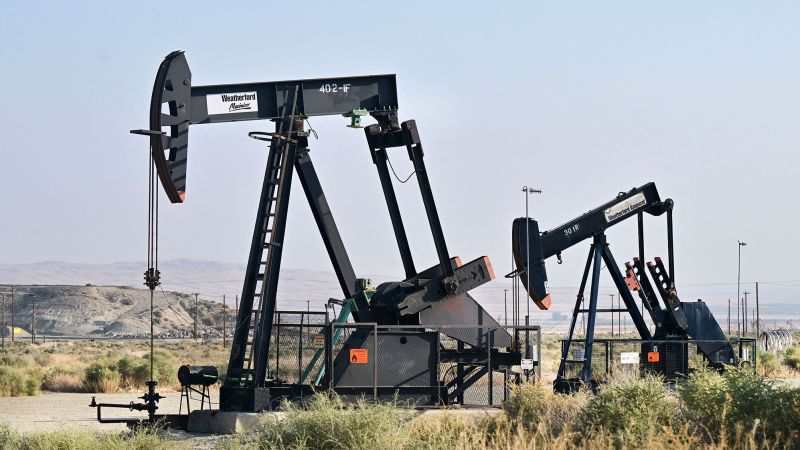
West Texas Intermediate hit £90 peaks before easing, doubling UK gas prices and pushing U.S. petrol to £2.60 a gallon. Goldman Sachs sees 0.4% shaved from global GDP at £75 oil; worse could top 2022 highs at £112.
Kornfeind describes the prolonged fallout as “pretty drastic,” with households and businesses slashing spending that drags growth to a halt. Taiwan’s semiconductor plants ration electricity to sustain production for smartphones and electric vehicles. U.S. tech firms expanding AI infrastructure face blackouts and delays. Fertiliser costs surge from 20-30% jumps in Gulf-sourced urea, battering farmers at a critical time.
Markets reflect the panic. Japan’s Nikkei falls 10% and Germany’s DAX drops 7.5%. President Trump faces voter anger over costs ahead of polls.
Paul Sankey of Sankey Research cautions that a quick end may prove elusive. “Much as the U.S. and Israel may declare operations over and complete, the Iranians may not see it that way,” he warned. “That may mean this situation continues long beyond the declaration of hostilities by the Trump administration.” The IEA warns of 2026 stagflation without rapid de-escalation.