

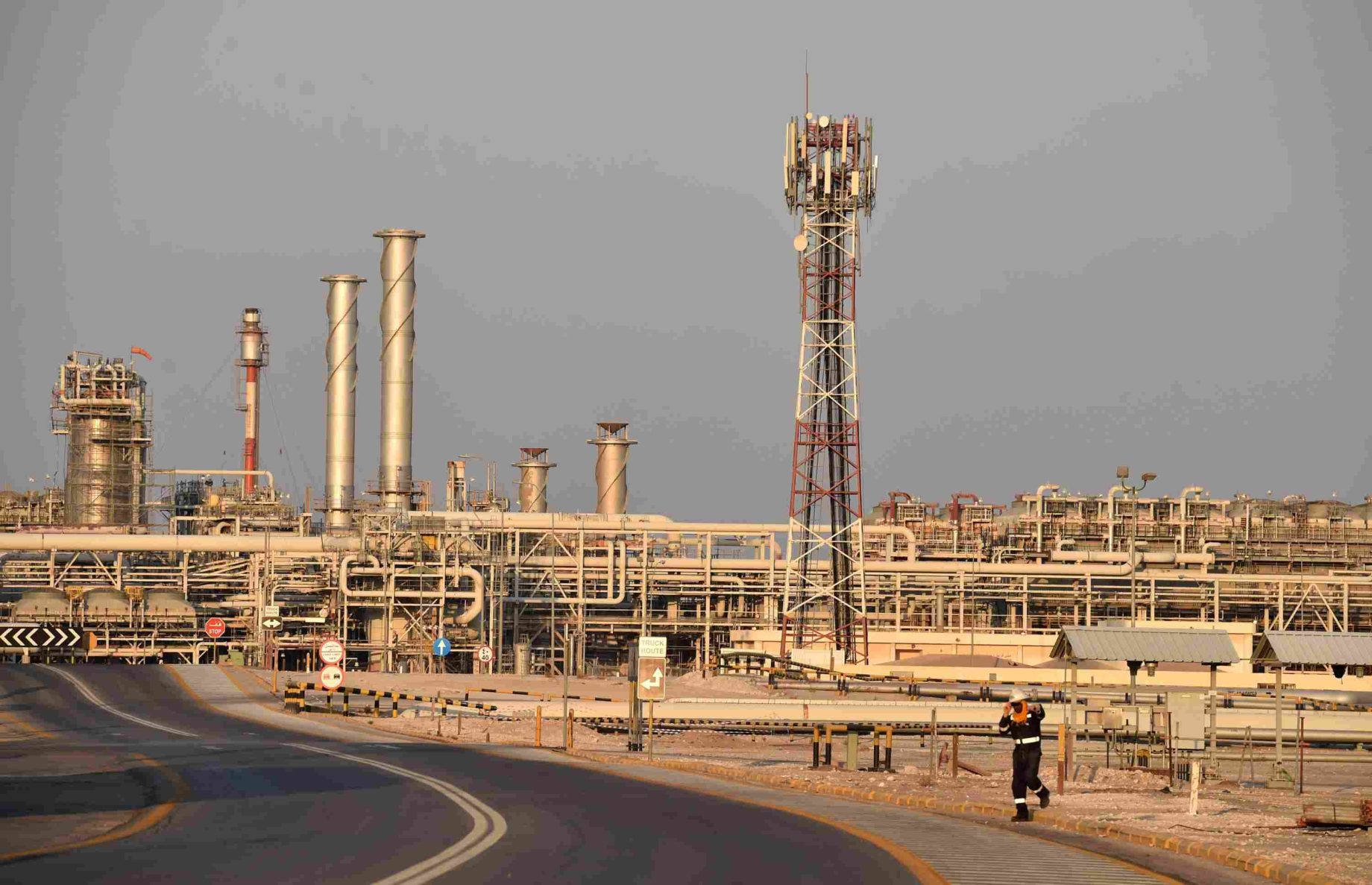
Diesel prices are surging faster than petrol worldwide due to the Iran conflict, disrupting global trade, food production, and consumer costs far beyond U.S. borders.
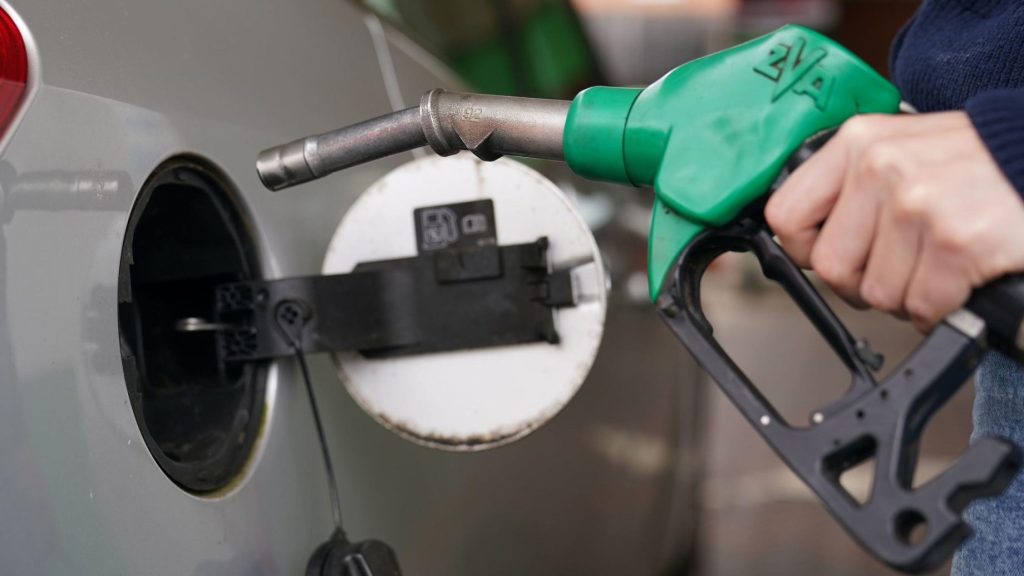
In the U.S., AAA’s Sunday data shows regular petrol up 47 cents (16%) to $3.45 per gallon, but diesel has leaped 84 cents (22%) to $4.60. Globally, the IEA reports similar spikes, with European diesel averaging €1.80 per litre and Asian benchmarks climbing 20%.
Tight supplies, hit by a harsh northern winter draining heating oil (identical to diesel), amplify the crisis; analyst Tom Kloza of Gulf Oil predicts U.S. diesel at $5 per gallon soon, a trend echoing in refineries from Rotterdam to Singapore.
Diesel powers 90% of global freight per World Bank figures, from lorries hauling goods in the U.S. to ships and trains in Europe and Asia. Small firms crumble first—Chicago operator Kareem Miller, with his three-vehicle Strong Pact Trucking fleet, laments, “I’ve seen diesel prices fluctuate, but never spike that quick,” he told CNN last week. “It was bad.”
UPS has hiked surcharges, prompting similar moves by Maersk and Asian carriers, inflating shipping rates worldwide.
Farming faces devastation ahead of planting. The FAO warns diesel fuels tractors and logistics for 80% of global crops; fertiliser costs, tied to Middle East supplies, have jumped 30%.
In the U.S., Kansas farmer Curt Hoobler says, “Now’s when we need it (diesel) the most,” he told CNN affiliate KWCH last week. “It’s going to make it a lot tougher for a farmer to make it through this year.”
Brazilian soy fields and Indian wheat belts report parallel woes, with grain futures rising and food inflation looming in developing nations.
Iran’s disruptions risk 5% of world oil per IEA, straining refineries everywhere. From European supermarkets to Philippine markets, surcharges threaten staples. Diversification helps, but diesel’s global chokehold signals tough months ahead.