

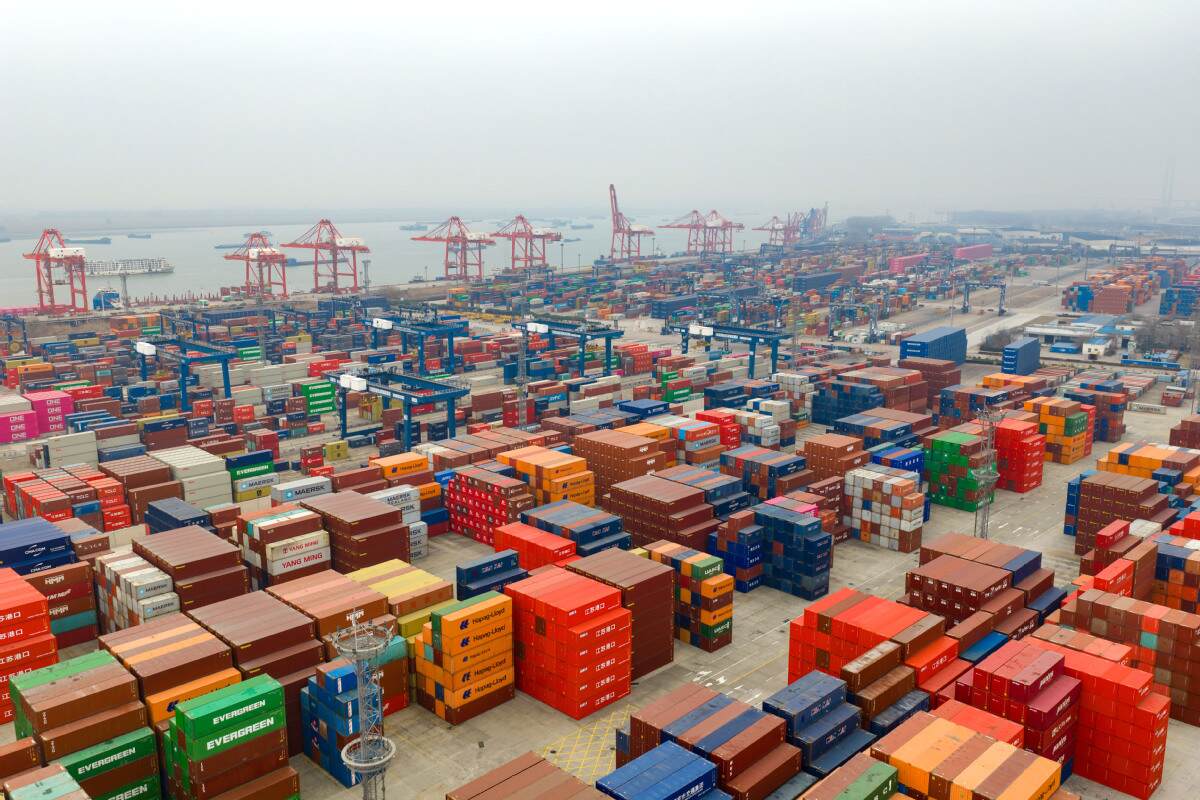
China has set its most cautious economic growth target in over three decades, aiming for 4.5 to 5 per cent expansion in 2026 as it navigates a storm of domestic weaknesses and global tensions.
This subdued ambition, the lowest since 1991, follows a dip to around 5 per cent in 2023 and comes after officials skipped any goal in 2020 amid pandemic uncertainty. The details emerged during the “two sessions,” China’s key political gathering underway since Wednesday, where leaders also sketched early outlines of the 15th Five-Year Plan to steer the world’s second-largest economy towards innovation and sustainability.
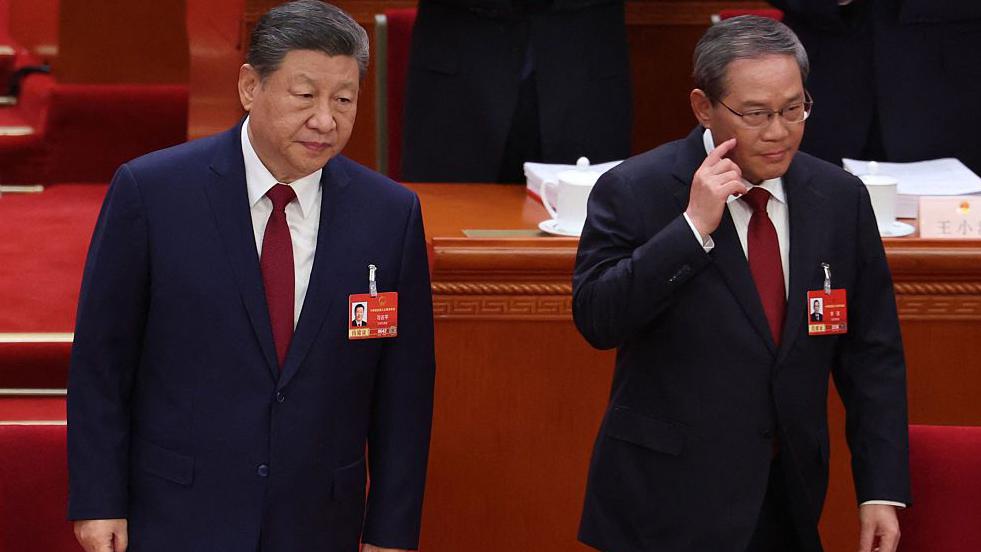
Premier Li Qiang told delegates the blueprint would channel funds into research, high-tech industries, and measures to lift household spending, addressing Beijing’s worries that feeble domestic demand leaves the nation too hooked on exports while signalling a drive to upgrade manufacturing.
Official data showed China met its 5 per cent growth mark for 2025 overall, though the final quarter slowed to 4.5 per cent under the weight of cautious consumers and a dragging property crisis. More than 70 per cent of provinces have mirrored this by trimming their own targets or softening them to “around” certain levels, as reported by the Financial Times.
“While China hit its growth target last year, it should be taken with a grain of salt, as other data suggests a weaker economic picture,” said Georgetown University policy researcher Ning Leng. “Its people have been cautious about spending, while China’s persistent real estate crisis have continued to weigh on its growth.”
Exports and factories cushioned the blow, posting a record $1.19tn trade surplus—the largest ever. Yet this reliance invites trouble from U.S. President Donald Trump’s tariffs.
“China has become especially reliant on selling overseas to plug the gaps, which is a weakness the U.S. can sense,” Ning added. “China has responded by pouring huge resources to redirect trade with other countries to ensure its products can be sold, sustaining its manufacturing sector.”
Geopolitical flares have worsened energy strains, with the U.S.-Israel-Iran war and the January U.S. seizure of Venezuelan leader Nicolás Maduro cutting cheap oil flows; the International Energy Agency notes a 15 per cent hike in import costs. Beijing counters that renewables now power 35 per cent of its grid, up from 25 per cent pre-2020, per state data, fortifying its pivot from fossil fuels.