

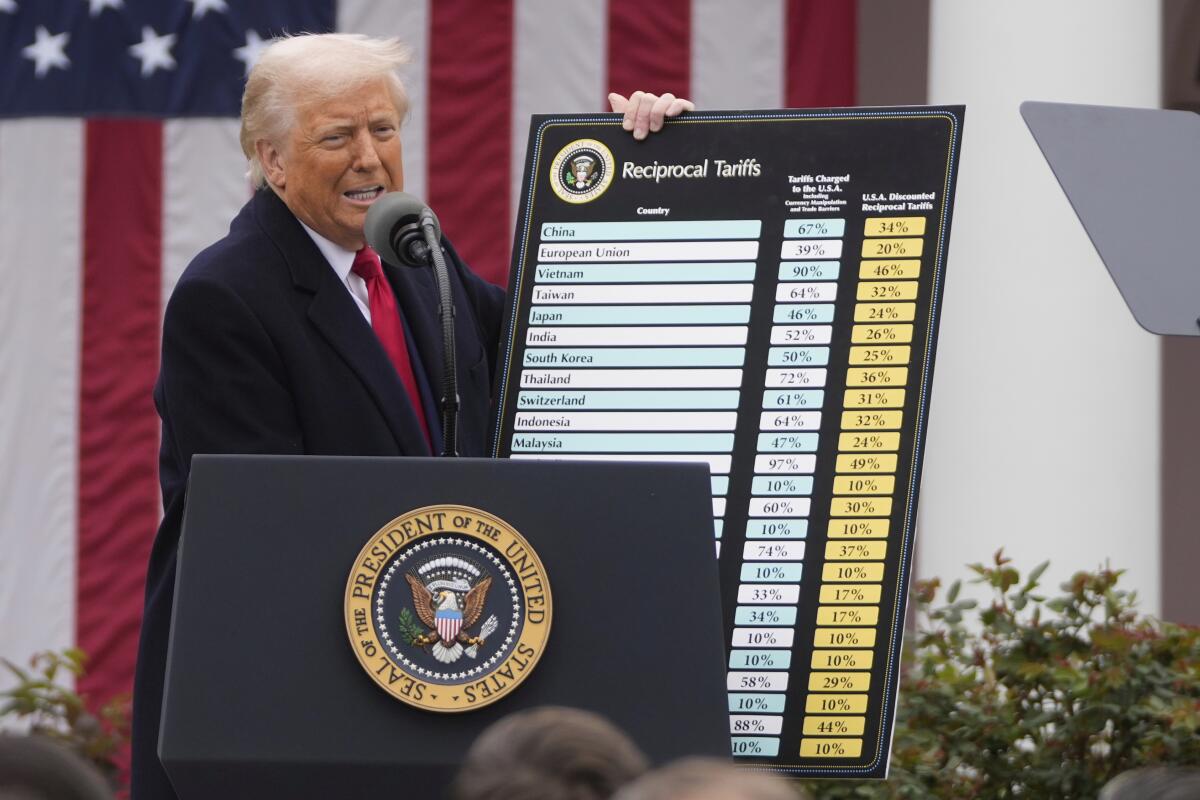
The U.S. Supreme Court’s strike against President Donald Trump’s key tariffs last week prompted no joy from Asian businesses. Exporters face policy mayhem as Washington readies alternatives.
The court voided $80 billion in duties via a 1977 law, per Reuters. Trump hit back with a 10 per cent global levy under Section 232, eyeing 15 per cent. It started Tuesday at 10 per cent. Trump vowed in his State of the Union that duties “will remain in place under fully approved and tested alternative legal statuses.” Markets dipped 1-2 per cent.
“No one likes uncertainty,” said Haldy’s Push Sharma, who shelved U.S. plans. “We had already done the trademark registrations, the groundwork, discussions with distributors. Then everything suddenly felt very drastic. We had to defer our plans.”
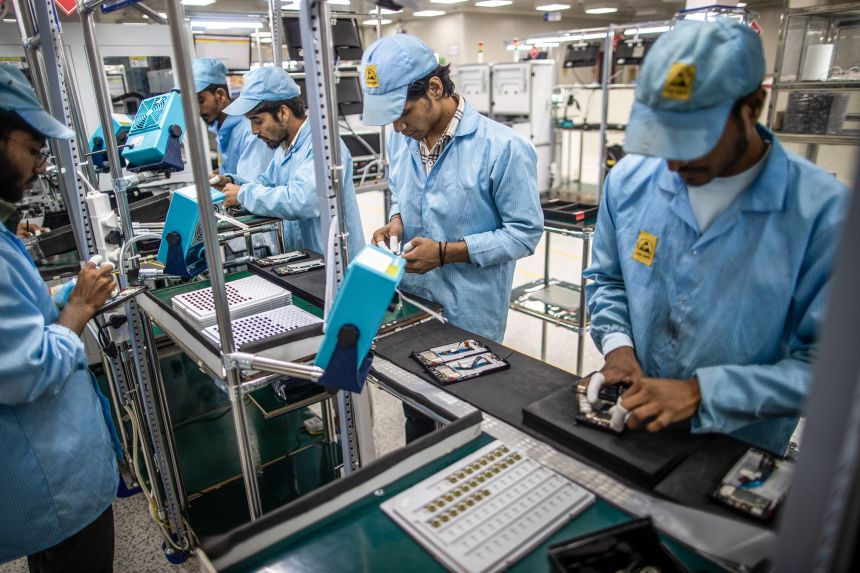
2025 tariffs hiked costs 15-20 per cent. “It was a big slap in the face,” said Lanna Clothing’s Tomi Mäkelä. “I can’t eat the cost forever. So I need to increase the price.”
“Should we move supply chains from one country to another without knowing the rules of the game? Welcome to navigating tariffs in 2026,” Wedbush’s Dan Ives noted.
“If you don’t know what your final costs will be, the cost of doing business becomes very difficult,” Sharma said. Singapore’s Kok Ping Soon agreed uncertainty hurts most.
Haldy shifts to Malaysia; “I’ve made a conscious decision to look at things that are within my control,” Sharma said. Lanna eyes Canada.
DHL’s Niki Frank said refunds are murky. “It is too early to assess how potential refunds may be processed or what they will look like.” FedEx sued for refunds.
China looms. “It’s very hard to keep China out of play,” Sharma said. “If it’s made in China, there’s a 25% tariff.”