

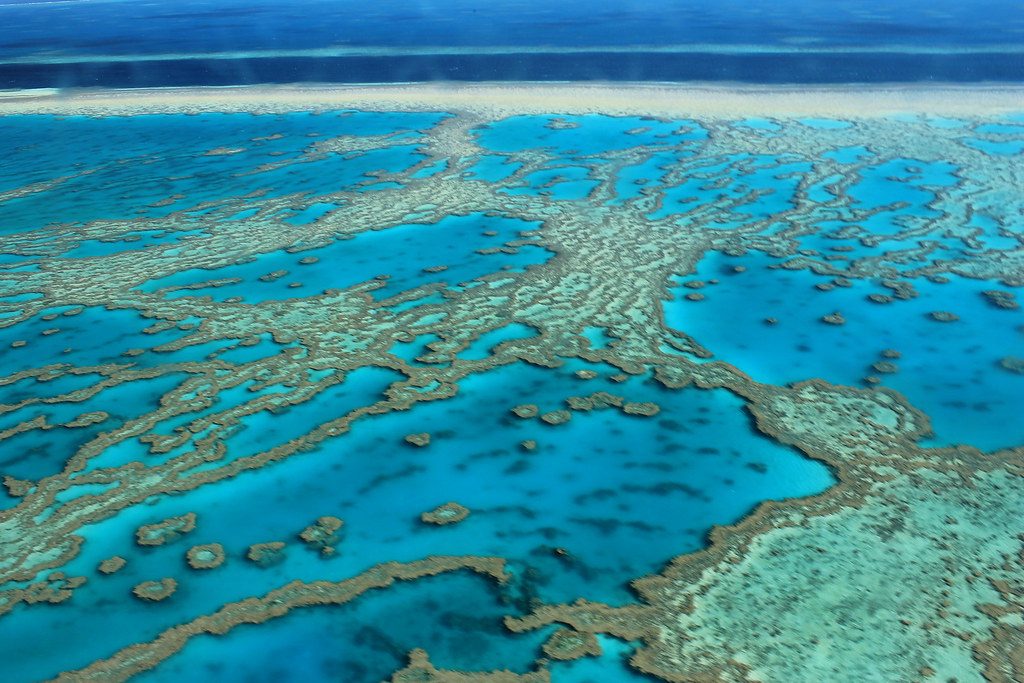
A new study predicts a severe decline in the Great Barrier Reef’s coral health by 2050 unless global warming is limited to below 2°C.
Researchers from the University of Queensland modelled over 3,800 reefs, analysing coral responses to rising temperatures and natural cooling currents. They found that some areas near cooler waters showed greater resilience, offering a “glimmer of hope” for recovery.
Dr. Yves-Marie Bozec, who led the research, warned of a rapid coral decline mid-century across all emission scenarios. However, he noted that parts of the reef “may partially recover after 2050, but only if ocean warming is sufficiently slow to allow natural adaptation.”
He emphasised, “Adaptation may keep pace if global warming does not exceed two degrees by 2100” and called for urgent global action to cut carbon emissions.
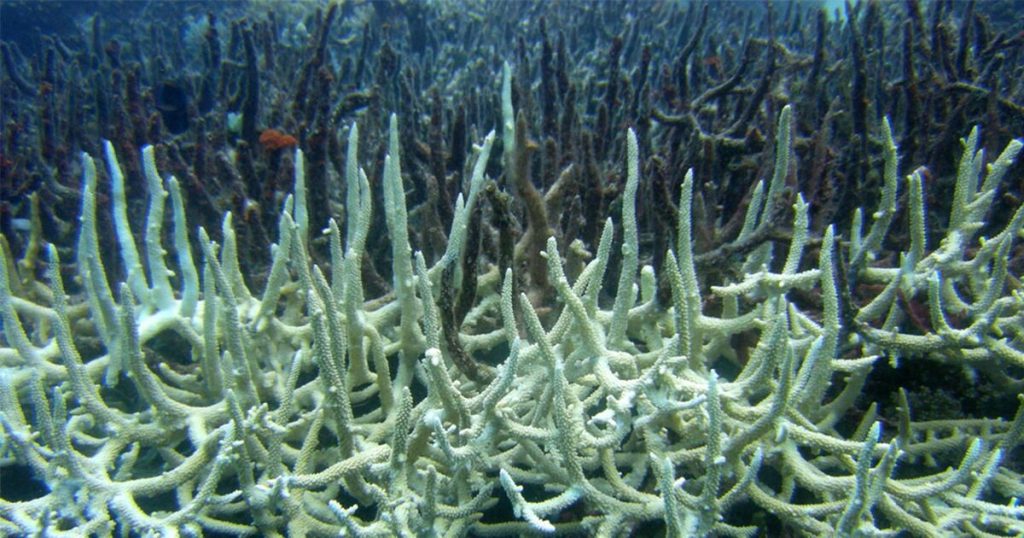
The reef, spanning 2,300 kilometres off Australia’s northeast coast, has suffered four major marine heatwaves since 2016, triggering coral bleaching—a process where corals expel the algae they need to survive, often fatally.
Under the Paris agreement, almost 200 countries aim to keep warming “well below” 2°C. Professor Peter Mumby, co-author of the study, said many reefs could survive under this target but warned that faster warming would drive most to near collapse. Reefs in well-mixed, cooler waters or near regenerating coral populations fared better.
Identifying these resilient reef areas can help focus conservation on strategic parts of the ecosystem. Without swift emissions reductions, though, restoration efforts may not prevent widespread reef degradation.