

The savings story that isn’t
Rotorua Lakes Council deserves some credit. Staff found more than $6 million in efficiency savings to pull the average rates increase from a projected 10.8% down to 6.8% in the 2026-27 Annual Plan adopted on 16 May. Chief financial officer David Jensen said rates were going toward “core services and infrastructure improvements, not nice-to-haves.”
But the revealing number sits underneath the headline. Strip out water and roading, and Rotorua’s rates rise drops to roughly 2%. Roading alone accounts for about 2.5 percentage points of the increase. For Rotorua businesses facing a 4.82% average rise, and rural residential ratepayers staring at 7.81%, the message is clear: storm-damaged roads are no longer a one-off budget shock. They are a permanent feature of the cost environment.
Repair bills that dwarf the budgets they arrive in
Rotorua is not an outlier. In early 2025, Queenstown Lakes District Council tallied $1.92 million in road repairs across 14 key roads after September and October 2024 rainfall smashed records. September alone delivered 203mm against a historical average of 57mm, surpassing the previous record set in 1970. QLDC’s average annual maintenance budget over the previous five years was around $755,000. The storm bill was more than 2.5 times that. The council had allocated just $150,000 for minor events under its long-term plan, a sum already exhausted.
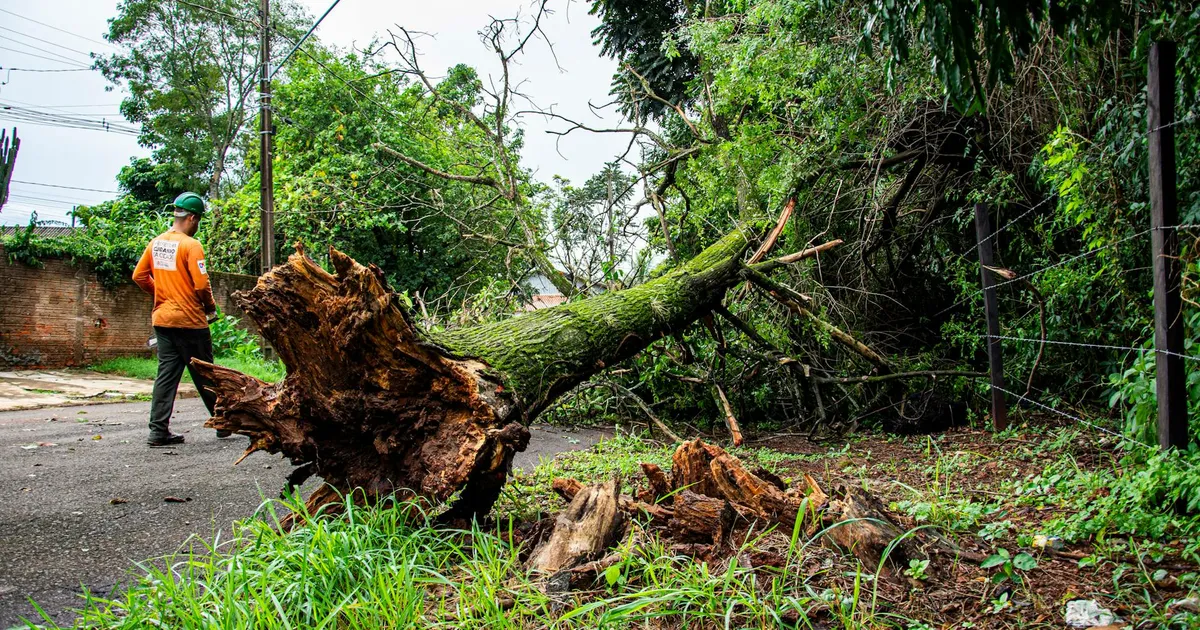
In Ruapehu, three weather events across mid-2025 left the district facing $10-14 million in damage across approximately 1,000 sites. The October event alone triggered more than 350 callouts and damaged more than 30 roads. Land transport manager Jodeci Waru-Savage said in late 2025 that works would take two to three years to complete and that “many sites remain vulnerable.” The October storm also closed multiple state highways including SH3, SH4 and SH43, cutting off freight routes and stranding rural producers who couldn’t move stock or product.
Even the generous NZTA emergency co-funding formula, which lifts the central government share to 95% when costs exceed 10% of a council’s annual land transport budget, still leaves a small district like Ruapehu on the hook for $700,000 on a $14 million bill. That money comes from somewhere, and that somewhere is rates.
The maintenance that never happens
Emergency spending doesn’t just strain budgets. It displaces the routine maintenance that prevents the next failure. In 2023, Tasman District Council added $14.6 million in new roading projects to address Cyclone Hale and Gabrielle damage, deferring or reducing scope on existing work and setting an 11.6% rates increase.
Back in 2022, Waka Kotahi had already recorded seven significant weather events between 2018 and 2021, each costing $15-50 million in repairs, compared with just two in the four years prior. South Wairarapa’s then-roading manager Stefan Corbett described a “perfect storm” of supply chain disruption, labour shortages and routine maintenance falling behind. The pattern was visible four years ago. It has only accelerated.
$2.9 billion spent and pre-event service levels are still distant
The Crown has not been idle. Cumulative spending on North Island weather event recovery reached $2.9 billion by Budget 2025, with Transport Minister Chris Bishop announcing a further $219 million for local road repairs over 2026-2029 across five councils. The original emergency response after the 2023 Auckland floods and Cyclone Gabrielle committed $883 million immediately and a further $941 million through Budget 2023.
Yet Bishop himself acknowledged in 2025 that a return to pre-event service levels “is still some time away.” Writing in Newsroom in mid-2025, Dr Timothy Welch framed councils as “playing infrastructure roulette”, arguing that cumulative weather losses of $15 billion reflect the absence of coordinated national leadership rather than a series of local misfortunes.
What business owners actually feel
The impact runs well beyond the rates bill, though that alone is significant for any business holding rateable property. Road closures impose direct costs on freight operators, tourism businesses and rural producers that never appear in council repair accounts. Deferred maintenance means roads patched rather than properly rebuilt, increasing vehicle operating costs for anyone running a fleet. And the lumpy, unpredictable nature of storm repair work drives up contractor procurement costs, compounding construction sector inflation that was already running at 11% for local government capital projects in 2023.
The structural gap between what councils budget for weather and what actually arrives means roading pressure on rates is not a single-cycle problem. It is the new baseline. Until someone in Wellington decides whether storm resilience is a national infrastructure priority or a local rates problem, councils will keep doing what they’re doing now: finding efficiencies where they can, deferring what they must, and passing the rest to ratepayers who are already stretched.
Sources
- RNZ: Rotorua council adopts Annual Plan with 6.8 percent rates increase in chilly chambers (2026-05-16)
- ODT: Repairs to roads may cost close to $2m (2025-03-13)
- 1News: Triple-whammy storm leaves Ruapehu facing multi-year repairs (2025-12-19)
- RNZ: Fixing storm-damaged roads in Ruapehu could cost millions (2025-10-15)
- RNZ: Road repair costs leave councils feeling the pinch (2022-08-19)
- TCDC: Annual Plan 2023/24 – Stormy weather impacts roading and rates (2023-06-27)
- Budget 2025: Funding boost for post-Cyclone local road recovery (2025-05-22)
- Newsroom: $15b in weather losses later, and still nobody’s in charge (2025-06-12)