

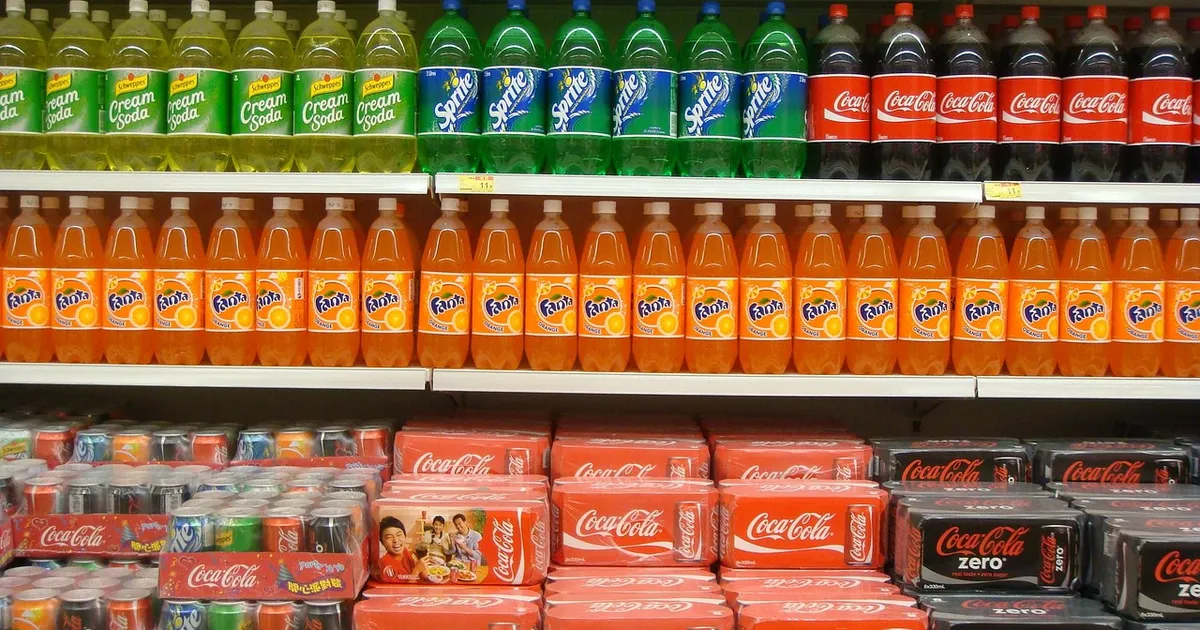
New Zealand has spent the best part of a decade asking the fizzy drink industry nicely to cut sugar. The result, according to Newsroom’s latest reporting, is that Fanta Orange, Sprite and Schweppes Classic Dry Lemonade sold here contain more sugar than the same brands sold across the Tasman.
That is not a public health footnote. It is a case study in why voluntary regulation tends to fail. When there is no cost for ignoring a pledge, the companies that ignore it win.
Two pledges, one outcome
The voluntary approach has bipartisan fingerprints. In 2018, then-health minister David Clark ruled out a sugar tax but warned that if the voluntary path wasn’t credible, the government was ‘not afraid to regulate’. That December, the Food Industry Taskforce recorded the New Zealand Beverage Council’s commitment to a pledge cutting sugar in non-alcoholic drinks by 20 percent by 2025. The same report conceded that sugar and salt reductions are ‘very costly activities to undertake’.
That admission was the whole problem in one line. Nobody spends heavily on reformulation, taste-testing and the risk of losing customers out of goodwill, at least not for long.
By 2020, University of Auckland researcher Dr Sally Mackay was reporting that sugary drinks made up almost 80 percent of supermarket drink sales, with over half of monitored drinks carrying six to 12 teaspoons per serve. A 2024 BMC Medicine study of 17,795 products from NZ’s 35 largest food and beverage companies found average sugar fell by just 0.78g per 100g between 2015 and 2019.
Then came round two. In 2024, then-health minister Shane Reti, a GP, called carbonated drinks representatives in for a ‘please explain’ meeting. Two years on, the drinks are sweeter than Australia’s.
The gap is new, which is the damning part
A decade ago there was nothing to separate the two markets. Data collected in 2015 and 2016 put NZ carbonated soda at 8.4g of sugar per 100ml against Australia’s 8.3g. The UK, with a levy on the way, was at 4.8g.
Australia’s own voluntary pledge was hardly a triumph. The Grattan Institute found in 2024 it was on track only “because it is weak, and includes progress made before it started”. Sugar in Fanta and Sprite there had actually risen 40 to 60 percent since 2021, prompting health experts to describe industry behaviour as ‘appalling’. If New Zealand has now drifted above that, our pledge achieved less than one Grattan dismissed as close to useless.
Free-riders get a taste advantage
The most telling detail in Grattan’s work is that only four manufacturers signed Australia’s pledge, and they achieved an even smaller sugar cut than those who didn’t sign. Signing cost nothing and delivered good headlines. Not reformulating cost nothing either.
For a brand that genuinely cuts sugar, the maths is ugly. It carries the reformulation bill and the risk that customers prefer the sweeter competitor on the next shelf. The laggard keeps its recipe, its margins and its flavour. Voluntary schemes do not level the playing field. They tilt it towards whoever cares least.
Industry has long preferred it this way. In 2018 the Beverage Council, which claims to represent over 75 percent of ready-to-drink non-alcoholic beverages sold at retail, told the Tax Working Group that a sugar tax did not meet its criteria for good tax policy, arguing taxes should not be sector-specific. Its then-spokesperson Stephen Jones argued it was ‘far too simplistic’ to blame sugary drinks for obesity.
A price signal is what actually works
There is a fair centre-right case against sugar taxes. Earlier evidence on how much they change behaviour was mixed, and regressive consumption taxes deserve scepticism. But the UK comparison is hard to argue with. Its mandatory levy drove a 46 percent cut in soft drink sugar in five years, against Australia’s 18 percent over seven under a pledge. The UK design worked less by taxing consumers than by giving manufacturers a reason to reformulate before the levy bit.
In 2025, NZIER told the Ministry of Health that every study on the question found sugar taxes lead to higher prices for sugary drinks overall. The mechanism bites. Handshakes do not.
Where this leaves the industry
Two governments of different stripes have now tried persuasion and got nothing measurable. The 2018 threat to regulate if voluntary measures weren’t credible is still sitting on the record, and the evidence that they weren’t has arrived.
Beverage companies that already reformulated should want a mandatory standard or a UK-style tiered levy. It would turn their sunk costs into a competitive moat. Those still selling sweeter recipes here than in Australia are carrying the clearest regulatory risk in the sector. The smart move is to reformulate on their own timetable, before Wellington sets one for them.
Sources
- Newsroom: Minister’s push to cut sugar in fizzy drinks falls flat (2026-11-22)
- Newsroom: Cut sugar content or we’ll regulate (2024-01-30)
- Ministry of Health: Food Industry Taskforce final report to Ministers of Health and Food Safety (2018-12-20)
- RNZ: Researchers call for government imposed soft drink levy (2020-12-18)
- BMC Medicine: Trends in the healthiness and nutrient composition of packaged products sold by major food and beverage companies in New Zealand 2015 to 2019 (2024-09-11)
- Public Health Nutrition: The nutritional content of supermarket beverages in New Zealand, Australia, Canada and the UK (2018-09)
- Grattan Institute: Sickly sweet, it’s time for a sugary drinks tax (2024-05-01)
- Tax Working Group: New Zealand Beverage Council submission (2018-04-30)
- FoodNavigator: Kiwi beverage industry open to taking Australia’s lead in sugar reduction (2018-07-05)
- NZIER: Update report to the Ministry of Health on sugar taxes (2025-06)
Join the discussion
Add useful context, ask a good question, or challenge an idea — keep it specific and respectful.