

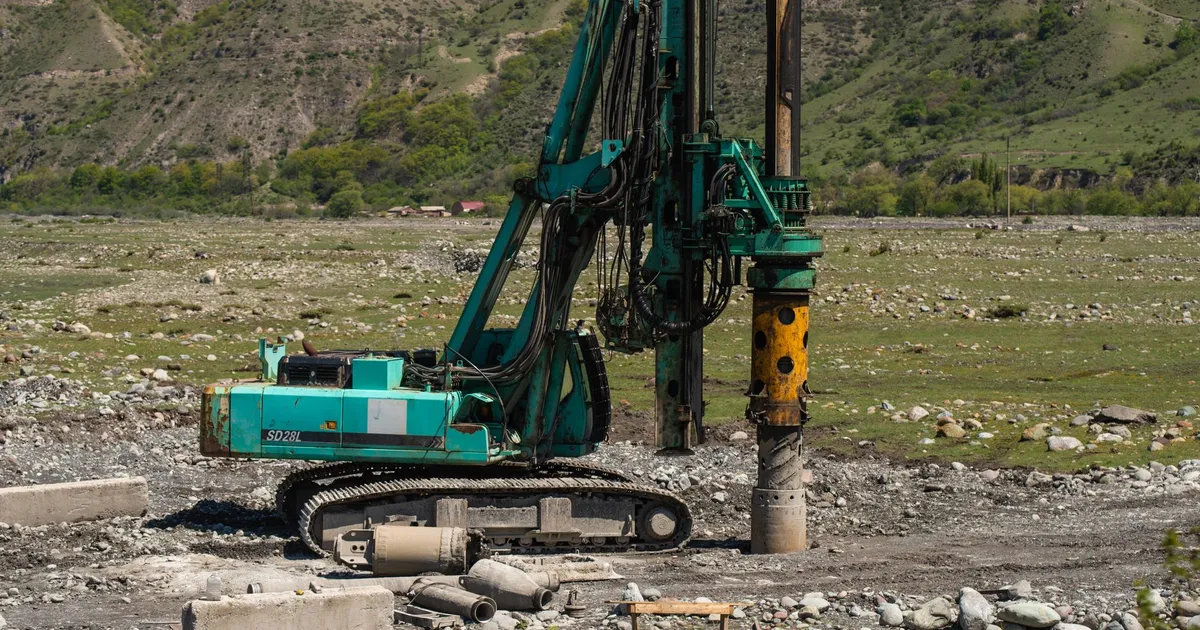
Invercargill is the only city of its size in New Zealand without an alternate water supply. It draws around 23,000 cubic metres a day from a single river, the Ōreti, through a single plant at Branxholme. Investigative work on a backup began in 2021. This month, test drilling finally starts at Awarua, south of the city.
That sounds like progress, and in a narrow sense it is. But Southland businesses should read this as a reminder of how long they have been exposed, and how long they will stay exposed.
Two days to dry taps
The council’s own risk assessment does not mince words. In February 2026 it was reported that if Branxholme failed from disaster, drought or contamination, the city would run out of water within two days and city-wide evacuation could be deemed necessary. No drinking water, no toilets, no firefighting.
A 2025 consultants’ assessment went further, warning that a complete economic shutdown of industry would result. That same work found Awarua appeared capable of producing emergency volumes of high-quality water needing minimal treatment, but flagged land subsidence, seawater intrusion and damage to high-value wetlands as risks that rise with heavier pumping.
For a region built on dairy and meat processing, this is not an environmental footnote. Processing plants are heavy water users. Hospitality in Invercargill and Bluff closes without it. Construction sites stall. Insurers and lenders pricing risk in the city have a known, unresolved single point of failure to factor in. Water security here is an operating risk, sitting on every local employer’s balance sheet whether they have noticed or not.
A plan B measured in decades
The council’s drilling contract, awarded to Washingtons Exploration on 25 September, lays out a staged approach. Phase one seeks consent for a minimum 3 megalitres a day of groundwater, building toward a future 5 megalitre-a-day emergency supply, enough for 80 litres per person per day during a prolonged outage.
Read that carefully. Eighty litres a day is survival rationing, not business as usual. Even the end state is a lifeboat, not a second engine.
And the timeline is long. Senior project manager Alistair Snow told councillors this week drilling would begin within one to two weeks, with a water take permit about to be lodged for a three-year pumping programme, and $25.2 million set aside for the project, $1.3 million of it for exploration and investigation. Only after those three years will the council decide whether to seek consent for a full alternate supply. From first investigation in 2021 to any working backup, this is shaping up as a project of a decade or more.
The aquifer is still a maybe
Here is the part that routine “drilling starts” coverage skips. An August workshop report authored by Stantec found the prospects of Awarua providing backup “remain uncertain”, with water adviser Teresa Wooding pointing to complexities affecting the study’s reliability. That discussion took place as new legislation ring-fences water services into a distinct business unit inside every council.
So ratepayers are funding a multi-year investigation into a source the council’s own advisers cannot yet vouch for. That is not a reason to stop. It is a reason to want a clear fallback if Awarua disappoints, and a council that is upfront about what that fallback would cost.
Negotiate, but don’t stall
Land access for the final well is still being negotiated. Water committee chair Grant Dermody asked whether the council could proceed under the Public Works Act if needed. Chief executive Michael Day confirmed it was an option, but one the council would avoid “at all costs”.
Respecting property rights is the right instinct. Compulsory acquisition should be a last resort. But a city facing a two-day path to shutdown cannot let a single landholding negotiation add another year to the clock.
There is a genuinely good signal in the process. The project sits within the government’s Fast Track Approvals regime, which is exactly where critical resilience infrastructure belongs. The council has also been publicly framing the investigation as essential, and local coverage has pitched it as future-proofing the city’s supply. The rhetoric is right. The pace is the problem.
What Southland employers should do now
Don’t wait for 2030. Businesses with meaningful water dependence should be stress-testing their own continuity plans: on-site storage, tanker contracts, insurance cover for supply interruption, and what a week without mains water actually costs them.
They should also be leaning on the council. Every year the backup is not built is a year the region’s processors, hoteliers and builders carry an uninsurable-looking tail risk for free. The cheapest resilience is always the infrastructure built before the disaster, and Invercargill has known about this one since at least 2021. The drills turning this month are welcome. The question for the next three years is whether the council treats them as the start of a fix, or another study.
Sources
- ODT: Invercargill’s fight to resist ‘catastrophic’ drinking water failure (2026-11-06)
- The Press: ICC pressing ahead with emergency water study (2026-02-09)
- The Press: Promise and unique risks identified for alternative Invercargill water supply (2025-07-02)
- The Press: Awarua an uncertain saviour for Invercargill’s water vulnerability (2026-08-17)
- GETS: Invercargill City Council Alternate Water Well Drilling and Testing Contractor (2026-10-20)
- Invercargill City Council: Council investigating emergency water supply (2026-02-09)
- Plus Living: Future-proofing Invercargill’s water supply (2026-04-08)
Join the discussion
Add useful context, ask a good question, or challenge an idea — keep it specific and respectful.