

A fast-track panel is being stood up to consider OceanaGold’s Macraes Phase Four (MP4) application. That is progress. It is not yet a decision, and for a mine with a wind-down date already pencilled in, the gap between those two things is the whole story.
Fast-track was sold as the fix for a consenting system that let good projects die slowly. Macraes is a clean test of that promise. It is a large, real, export-earning operation with a hard commercial deadline. If the regime cannot deliver a decision here in time to matter, the critics who call it a political talking point will have a point.
A $3.1 billion bet on a 2030 cliff
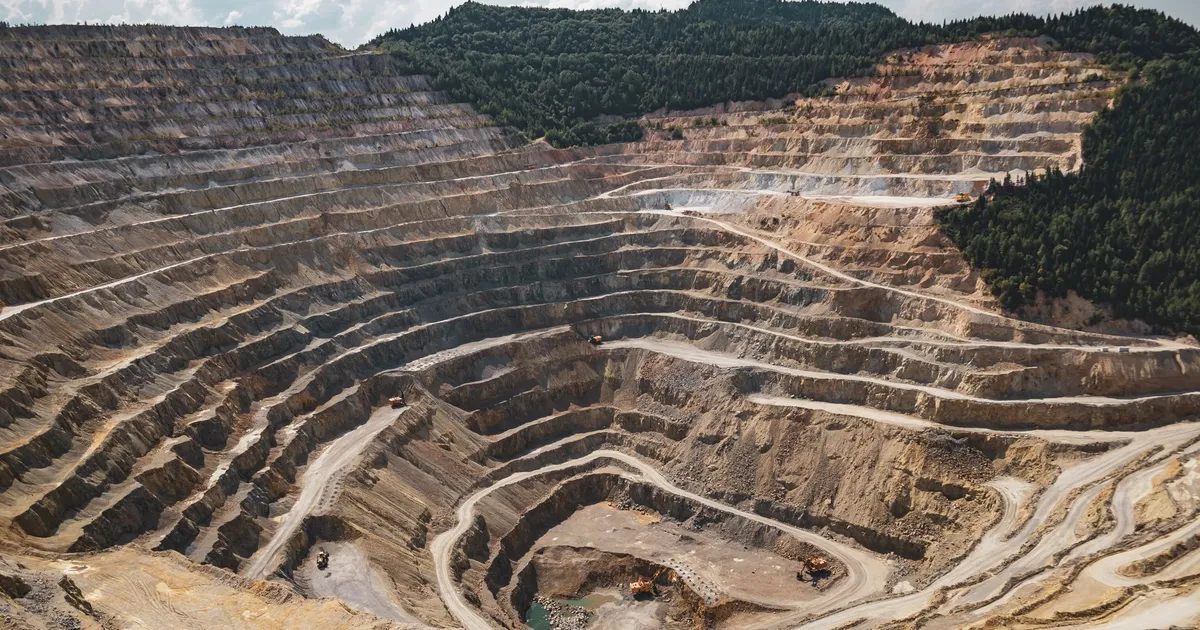
OceanaGold lodged MP4 under the Fast-track Approvals Act in September, roughly ten months after withdrawing a comparable application from the Otago regional and district council process. The plan extends mining beyond the current 2032 reserve life through open pit cutbacks at Innes Mills, Coronation, Coronation North and Golden Bar, plus an extension of the Golden Point underground mine.
The prize is substantial. OceanaGold is targeting an extra one million ounces of gold, worth about $7.46 billion at current prices, with roughly $3.1 billion spent in New Zealand over more than a decade and about $1 billion of that landing directly in Otago. The company says it would sustain more than 760 direct jobs.
The downside is just as concrete. Without approval, OceanaGold says the operation begins winding down from 2027 and closes by 2030. For Waitaki, that is not abstract. Back in 2024, an Otago Regional Council economic assessment using 2021 data found mining accounted for 680 jobs in the district, 5.1% of its labour force, and that Macraes contributed $343 million to national exports that year.
The timeline has already slipped once
Here is the uncomfortable maths. CEO Gerard Bond calls the application “an important step in securing the long-term future of Macraes”, and the company expects the process to wrap up by mid-2027, subject to appeals. That is the same year the wind-down begins.
In April 2026, Bond told the NZ Herald the formal application would be in by the end of June. It arrived in September. A three-month slip before a panel even existed is not a scandal, but it is a warning. Mine planning, workforce retention and capital allocation decisions do not wait politely for a consent to land.
That capital question matters more than it might seem. OceanaGold owns New Zealand’s only two large-scale gold mines, but the Herald reported in April that nearly half its global production now comes from its Haile mine in the United States. Macraes competes for dollars inside its own parent company. Uncertainty is a cost, and other jurisdictions are happy to absorb the investment if New Zealand dithers.
The compliance record will not go quietly
None of this means the panel should wave the project through. OceanaGold left the council route after an Otago Regional Council report recommended declining an earlier version over water quality, biodiversity and cultural values.
That sat on top of a 2024 audit, reported by RNZ, which found “continued or repeated non-compliances” with monitoring conditions between 2019 and 2024, including chemical and algae levels above allowed limits and failures to notify when triggers were breached. Then-Green Party environment spokesperson Lan Pham called it “sustained, ongoing non-compliance” at the time.
OceanaGold’s answer is a reset. Senior vice president Alison Paul says the company has addressed the council’s key concerns with a new water management approach and a larger ecology compensation package, including a predator-controlled area for rescued plants, birds and lizards. The panel’s job is to test that claim rigorously and quickly. Those are not opposites.
Government has shown it will bend the rules
There is a less-noticed wrinkle. The government has already used an Order in Council to amend the fast-track listing for Macraes, removing an end date attached to it at OceanaGold’s request. Earlier official material described MP4 as extending the mine to at least 2039, so the fix arguably cleaned up a drafting mess. But it hands opponents an easy line about rubber stamps, and it raises the stakes on the panel producing a decision that is defensible on the merits, not just on the politics.
The only metric that counts
The Otago Regional Council confirms the process is under way across parts of the 13,500-hectare Macraes Flat site. Good. The measure of success now is simple: a robust decision, yes or no, delivered well before the 2027 wind-down starts eating into the workforce and the business case.
Appointing a panel is the easy part. If fast-track turns out to be faster than the old system but still too slow for the projects it was built for, business will draw its own conclusions about whether New Zealand is serious about getting things built.
Sources
- ODT: Macraes mine fast-track panel to be stood up (2026-10-19)
- newswire.co.nz: OceanaGold takes its $3.1 billion Macraes expansion to the fast track after pulling it from councils (2026-09-10)
- RNZ: OceanaGold bids to extend life of Macraes mine under fast-track (2026-09-10)
- Otago Regional Council: MP4 Economic Effects Draft Final Report (2024-02-09)
- NZ Herald: OceanaGold prepares fast-track application for Macraes expansion, lists on NYSE (2026-04-07)
- RNZ: Fast-tracked gold mine has shaky compliance history, audit reveals (2024-10)
- The Post: Government rewrote fast-track law after mining companies pushed for changes
- Ministry for the Environment: Macraes Phase Four (MP4) (2024-12-19)
- Otago Regional Council: Update on fast track progress (2026-09-24)
Join the discussion
Add useful context, ask a good question, or challenge an idea — keep it specific and respectful.