


Iran-backed Houthi rebels in Yemen held back for the war’s first month, despite their strong ties to Tehran. Controlling the capital Sana’a and much of the north, along with other areas, the group has now launched missiles at Israel, insisting they struck “sensitive Israeli military sites.”
While these strikes have come repeatedly since Hamas’s deadly 7 October 2023 attacks sparked the Gaza war, they have done little lasting damage to Israel and faded months ago. Experts at the BBC note in 2024 reports that such efforts look feeble next to Iran’s advanced arsenal.
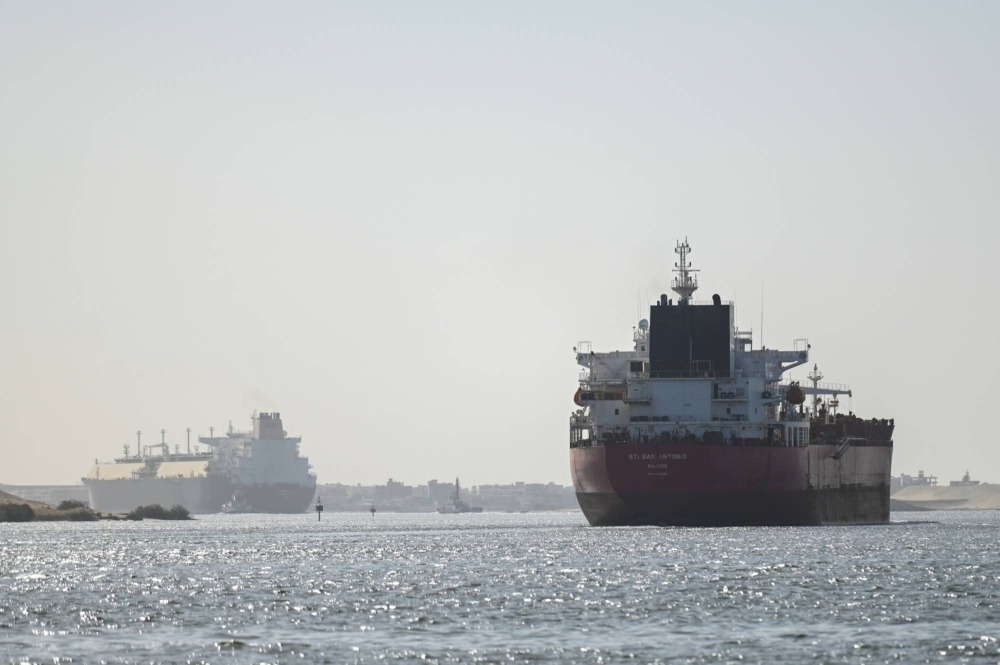
The Houthis present a sharper threat from Yemen’s Red Sea shores. In past support for Hamas, they hit ships sailing through the Bab al-Mandab strait, a tight 29 km passage between Yemen and Djibouti that funnels 12% of world trade yearly, UNCTAD figures show.
Any repeat would jolt global commerce hard. Their actions since late 2023 already rerouted over 2,000 vessels around Africa, tacking on 10 to 14 extra days and up to $1 million per trip in fuel alone, according to the International Maritime Bureau’s 2025 piracy review.
Add Iran’s grip on the Strait of Hormuz, which handles 20% of global oil, and the combo could drive energy prices up 30 to 50%, Reuters analysts project, much like the 2019 tanker scares.
The group has form here too. Back in 2019, they owned up to drone strikes on Saudi Aramco facilities, briefly slashing 5% of world oil supply as Al Jazeera documented.
Fresh attacks on Saudi or UAE energy and military sites could follow, drawing U.S.-UK reprisals under Operation Prosperity Guardian. More than 50 airstrikes by mid-2025 have hit Houthi bases, but Iranian arms keep them fighting, says U.S. Central Command.
Their pro-Palestinian raids once drew cheers at home and abroad. Proxy duty for Iran might sour that. After a war that killed 377,000 over a decade, per UN counts to 2025, Yemen’s calm hangs by a thread.
Deeper Houthi dives into the U.S.-Israel-Iran fight could reignite chaos. The IMF warns in its January 2026 outlook of 0.5 to 1% global GDP shrinkage if Red Sea traffic halves.