

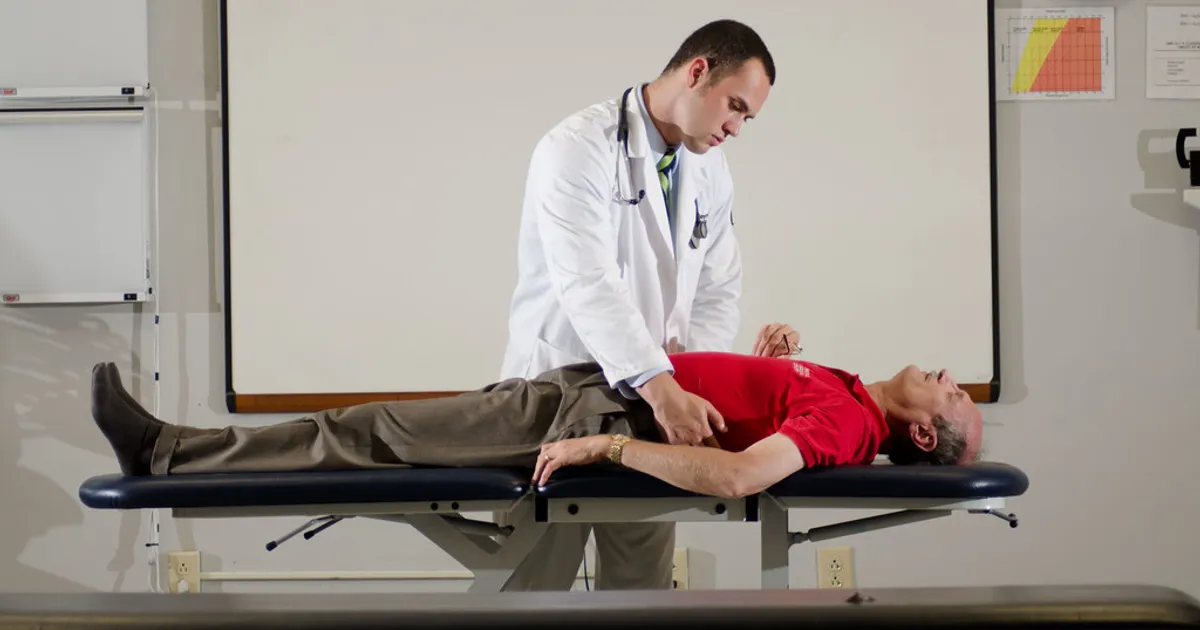
A subsidy for a project that doesn’t need it
Waikato University is asking Hamilton City Council to waive more than $5 million in development contributions and hand over $250,000 a year for five years towards its new medical school, a total ratepayer contribution of roughly $7 million on a $280 million project.
The fatal detail sits in Vice Chancellor Neil Quigley’s own pitch to the council’s City Prosperity Committee. As the Waikato Times reported, Quigley confirmed the school would be built whether or not the council chipped in. That single admission collapses the case. If the money doesn’t determine whether the project happens, the subsidy isn’t unlocking anything. It’s simply shifting cost from one balance sheet to another.
Who actually pays
Councillor Mesh Macdonald spotted the mechanics immediately. Because the university confirmed the project proceeds regardless, waiving the fees just transfers debt from the university to ratepayers rather than enabling anything.
Councillor Sue Moroney has been blunter. “This medical school is one decision we do have control over as a council and from me it’s a hard ‘no’.” Her wider point cuts to the structural problem facing every council in the country. Hamilton is “actually trying to do all the things that the fastest growing city in the country needs to do, with a ratepayer cap that is coming from central government as well,” she said, and it is already “picking up responsibility that really does belong to central government.”
On development contributions specifically, Moroney warned that every dollar not collected “means that that’s an extra burden for the existing ratepayers,” who she said “have had enough of funding those sorts of ventures.” Deputy Mayor Geoff Taylor backed the subsidy on the strength of the mayor’s ‘open for business’ pledge and the shortage of primary care doctors, so the council is genuinely split. The request will be weighed as part of the 2027-2037 long-term plan, with public consultation expected early next year.
The 28% question
Here’s the part that should bother business owners. This school was approved as national health policy. Cabinet signed it off in July 2025 and the Crown committed $82.85 million, split between $80.85 million capital and $2 million operating. Yet Quigley told councillors that government funding covers only 28% of the total project cost.
So the Crown decided the country needs this school, then asked the university to carry the majority of the financial risk. The detailed business case put establishment costs at $234.7 million with the university tipping in $151.9 million of capital. Now that gap is being pushed one rung further down, to a rates base already constrained by a central government cap. If the national case is strong enough to justify the school, why did Wellington fund barely a quarter of it?
The workforce need is real, the funding logic isn’t
None of this is an argument against training more doctors. The need is genuine. The Ministry of Health estimated Health NZ needs an extra 1,700 doctors now, rising to 3,400 by 2032. New Zealand produces just 10.4 medical graduates per 100,000 people against Australia’s 14. Waikato’s business case beat the alternatives, with a benefit-cost ratio of 1.99 and a lifetime cost of $9.1 billion versus more than $10 billion for expanding Auckland or Otago. The school will train 120 additional doctors a year from 2028, the first new medical school in 65 years.
But the margin was thin, and the numbers were contested. In 2025, a Treasury OIA release showed official Caitlin Andrews warning that “the assumptions in the options analysis seem under evidenced.” In August 2025, former Otago health policy professor Robin Gauld cautioned that Waikato “will actually be much more expensive than was going to be apparent” when the decision was taken.
That context makes the ratepayer ask worse, not better. A project already flagged for optimistic costings is now leaning on a council that had no say in the policy and gets no say over the outcome. This is the pattern that grinds down local government finances everywhere. A national decision, a deliberate funding gap, and the shortfall quietly shifted to whoever sits closest to the project. Hamilton councillors get to decide one thing here, and on the university’s own evidence, saying no costs the country nothing.
Sources
- University seeks millions in ratepayer subsidies for new medical school (2026-09-09)
- Waikato University wants millions in ratepayer subsidies for new medical school (2026-09-09)
- Uni eyes-up Hamilton ratepayers for Waikato medical school subsidy (2026-09-03)
- Waikato med school business case beats Auckland and Otago – but only just (2025-07-26)
- New medical school at University of Waikato gets government go ahead (2025-07-21)
- New Medical School Detailed Business Case (2025-07)
- Official Information Act Response 20250548 – Treasury Correspondence on Waikato Medical School (2025-09)
- Flawed And Predetermined: Postscript On Waikato Medical School Decision (2025-08)
Join the discussion
Add useful context, ask a good question, or challenge an idea — keep it specific and respectful.