

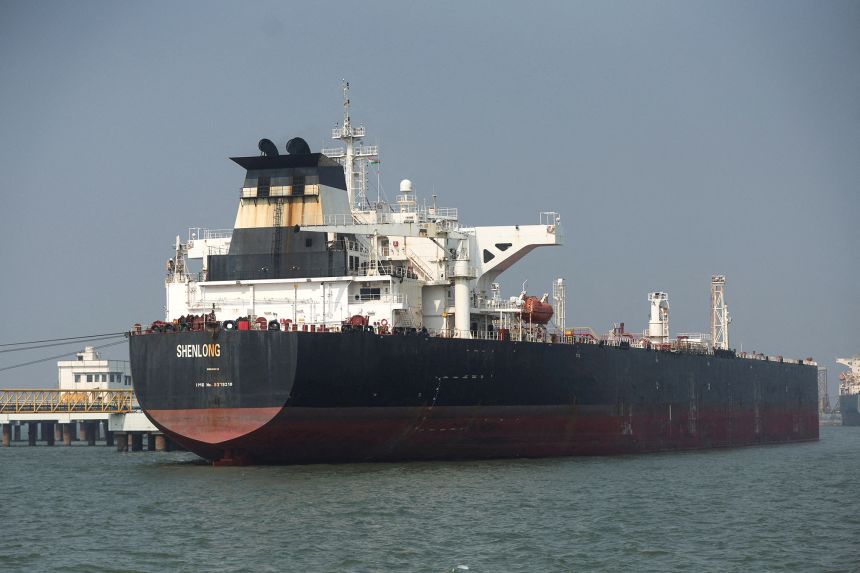
U.S. Treasury Secretary Scott Bessent revealed from Paris that the United States is allowing Iranian oil tankers to pass through the Strait of Hormuz, a move aimed at keeping global energy markets stable despite the intensifying conflict.
During an interview on CNBC’s Squawk Box with Brian Sullivan, Bessent explained, “The Iranian ships have been getting out already, and we’ve let that happen to supply the rest of the world.” He spoke while attending trade talks with China, which underscore how Middle East flare-ups are rippling through international commerce.
Iran’s strikes on merchant vessels in the Persian Gulf have crippled tanker traffic, slashing volumes by over 90% since U.S. and Israeli attacks on Tehran two weeks ago, according to Reuters reports. Even so, with a heavy U.S. naval footprint in the area, Iran continues shipping roughly 1.5 million barrels daily, primarily to Asian markets like China and India, as Bloomberg data shows.
Bessent foresees traffic rebounding before multinational escorts, including U.S. Navy and allied forces from Britain and Japan, take over protection duties.
“We think that there will be a natural opening that the Iranians are letting out, and for now we’re fine with that. We want the world to be well supplied,” he noted. The stance dovetails with President Donald Trump’s calls for oil-reliant nations to help defend the route against further Iranian threats.
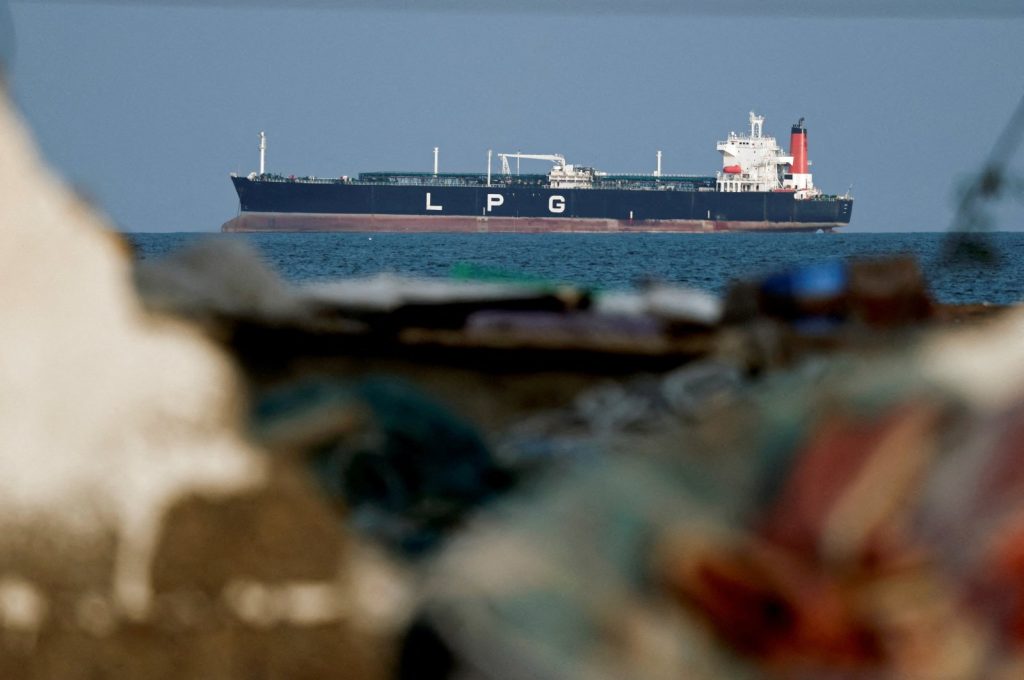
India illustrates the stakes vividly. A liquefied petroleum gas carrier docked there on Sunday, and a Ministry of External Affairs spokesperson told CNBC’s Seema Mody that another is due Tuesday. Sources indicate 22 more ships, loaded with crude, LPG, and LNG, await Tehran’s go-ahead.
This vital chokepoint once carried 21 million barrels daily, or one-fifth of global oil trade. The International Energy Agency now warns of an 8 million barrel-per-day shortfall this month, the worst ever. Brent crude lingers near $102 a barrel, up 40%, while West Texas Intermediate sits around $95. OPEC+ pledges extra supply, but analysts doubt it suffices.
Bessent anticipates prices dropping below $80 post-war, making the world safer and better stocked. He dismissed futures market intervention rumours: “We haven’t done that.”
As UN talks falter, Trump’s pressure campaign on Iran faces a critical test.