

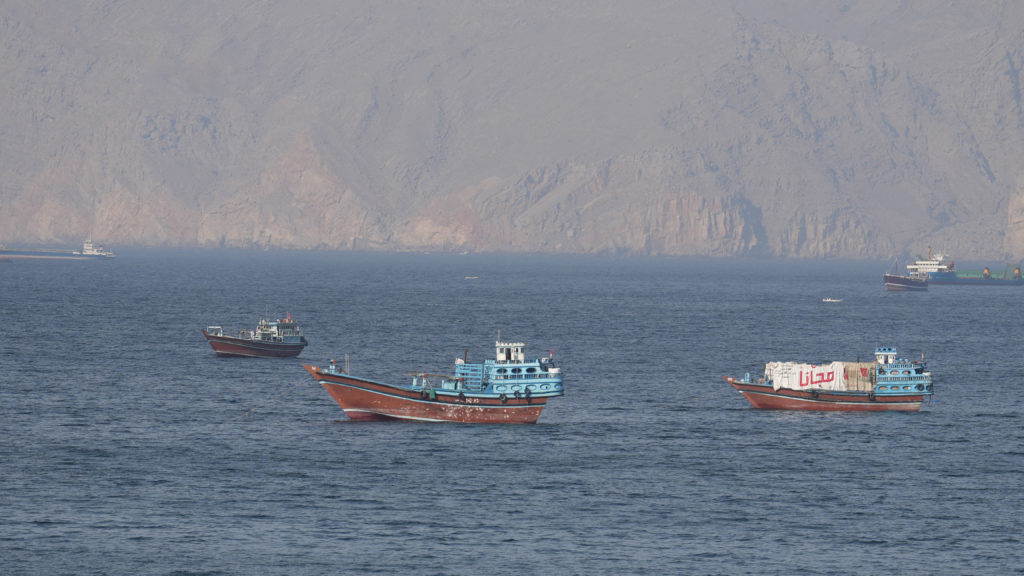
President Donald Trump has stated that the United States will maintain its naval restrictions on Iranian ports until Tehran reaches a formal agreement, casting fresh doubt over upcoming talks to resolve the escalating conflict.
Trump posted on Truth Social that the week-old operation is “absolutely destroying Iran” and that America is winning “by a lot.” The blockade has severely disrupted Iran’s trade, with U.S. Central Command reporting that naval forces have turned back or redirected 27 vessels since it began.
These developments come as a temporary U.S.-Iran ceasefire nears its end on Wednesday, with no firm word on whether a second round of negotiations will proceed in Pakistan. Security has tightened in Islamabad, but Vice President JD Vance, leading the U.S. delegation, remains in Washington, and Iran has not confirmed attendance.
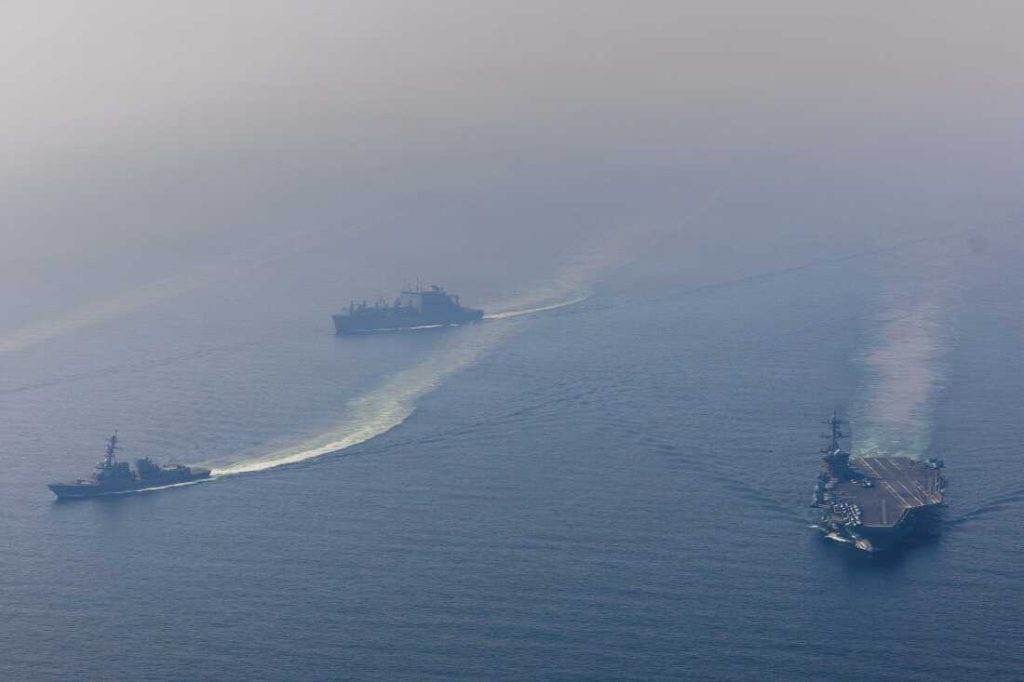
Tehran has retaliated by closing the Strait of Hormuz for nearly two months, a critical chokepoint for 21 per cent of global oil per U.S. Energy Information Administration figures. The route briefly reopened on Saturday but shut again after reported strikes on vessels nearby. Trump called this a total violation, accusing Iran of deciding to fire bullets, while Tehran labelled the U.S. ship seizure an act of piracy and demands an end to the port restrictions first.
Signs of progress persist despite the impasse. After initial talks earlier this month, Vance said the U.S. could not get to a situation where the Iranians were willing to accept its terms, and Iran’s foreign ministry criticised excessive demands and unlawful requests.
Monday saw conflicting updates: U.S. sources signalled a soon departure, possibly Tuesday, but Iran said so far it has no plans to join. Vance will be joined by envoy Steve Witkoff and adviser Jared Kushner.
Preparations in Islamabad include evacuating the Serena Hotel and closing roads. With energy prices soaring and markets jittery, these talks hold high stakes for global stability.