

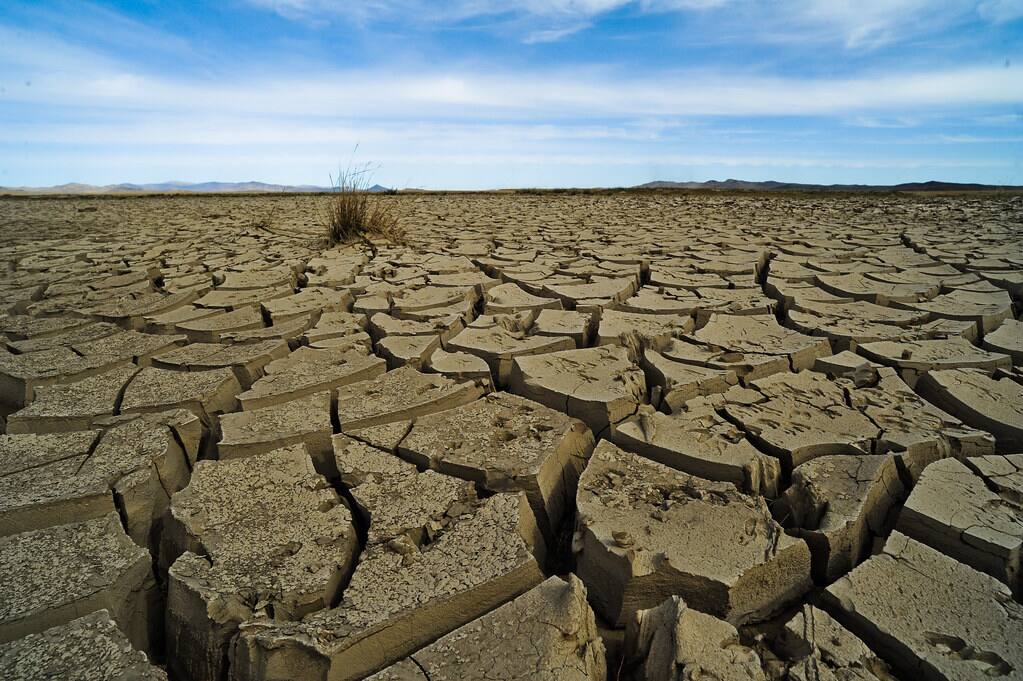
Governments are being urged to prepare for a possible rise in extreme weather as El Niño conditions develop in the Pacific Ocean, raising concerns about heatwaves, flooding, drought, and pressure on food supplies.
The World Meteorological Organization said there was an 80 per cent chance of El Niño forming between June and August, with the likelihood increasing to around 90 per cent by November. The United Nations agency said the event could be moderate or potentially strong, although its eventual intensity remains uncertain.
“The science is clear: El Niño is arriving on our doorstep in the coming months with 90 per cent certainty,” UN Secretary-General Antonio Guterres said in a video statement. “The world must treat it as the urgent climate warning it is.”
El Niño is a naturally occurring climate pattern linked to unusually warm waters in the central and eastern Pacific. It typically appears every two to seven years and can last for nine to 12 months. While it is not caused by climate change, rising global temperatures can make its effects more severe.
The pattern can alter rainfall and weather systems across several regions. Parts of southern South America, the United States, the Horn of Africa, and Central Asia may experience heavier rain, while Australia, Indonesia, Central America, and parts of South Asia could face drier conditions.
The European Union has already announced plans to deploy additional firefighters and aircraft to areas considered vulnerable to wildfires, including Cyprus, France, Greece, Italy, Portugal, and Spain.
The previous El Niño event, which developed in 2023 and continued into 2024, contributed to record-breaking global temperatures. The WMO later confirmed that 2024 was the hottest year on record.
Health risks could also increase as prolonged heat and changing rainfall patterns create more favourable conditions for diseases spread by mosquitoes and ticks. Food prices may come under further pressure if crops are damaged by extreme weather.
“Communities that were already struggling will be pushed farther beyond their limits,” WMO Secretary-General Celeste Saulo said.
Guterres said the warning reinforced the need for stronger disaster planning and faster action to reduce dependence on fossil fuels.
“El Niño conditions will pour fuel on the fire of a warming world,” he said.