

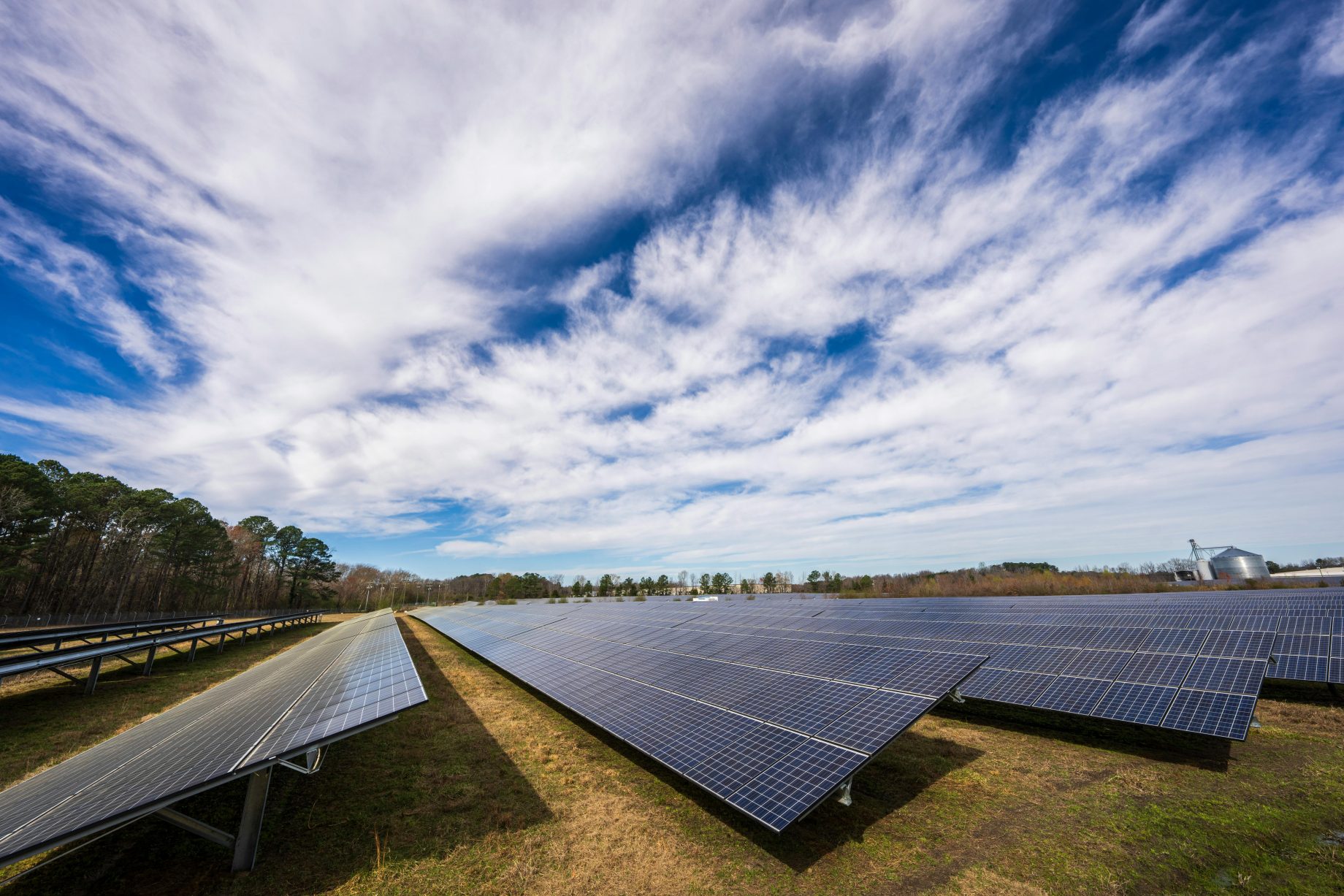
Solar farms are scaling up and wind generation is surging, but the man overseeing the national grid is looking at the gaps. Transpower CEO James Kilty, just three months into the job, says coal and gas still have a place—as “critical backup sources” needed to keep the lights on.
Renewable Transition Constrained by Declining Gas Supply
The country’s ambition to reach 100% renewable electricity is encountering serious headwinds. Gas supplies are dwindling faster than anticipated, while renewable development has lagged. “Many of the problems are due to the gas supply declining more rapidly than expected,” Kilty said. “This has left the electricity sector even more exposed to dry spells because new renewable generation development has not been sufficient to fill the gaps.”
The shortage is already hitting consumers in the pocket. Higher gas and electricity prices have emerged, and fears are rising over the system’s reliability. Transpower’s draft security of supply outlook now forecasts “greater risks next winter,” and Kilty admits the grid operator has limited control: “Transpower did not have the levers to ensure security of supply.”
Collaborative Action Required to Address Sector Challenges
Kilty sees the current difficulties as a catalyst for collaboration. “There’s always that, and it’s frustrating because it doesn’t achieve much. We are where we are, which is not in the best position, but all is not lost, right?”
A key area of focus is the Huntly power station, a long-time staple of New Zealand’s thermal generation fleet. Kilty emphasised its importance: “I think the role of Huntly has always been very, very important, and its amazing ability to burn a variety of fuels puts it in a unique position to support the transition really effectively.”
Huntly Power Station’s Strategic Role in Grid Stability
Currently, the grid leans on industrial users like Methanex and the Tiwai Point aluminium smelter to help balance electricity demand. However, maintaining energy stability long-term means investing in Huntly’s infrastructure. Kilty believes the country should “seriously consider” reopening its fourth unit and secure a “sensible coal stockpile” to fuel it. “We might have to burn a bit more coal in the electricity system for a while to support industry,” he admitted.
Industry projections suggest biofuels may achieve commercial viability in the future, but in the interim, thermal assets are essential to maintaining grid stability.
Legacy Thermal Concepts Regain Importance
Kilty once helped propose “ThermalCo,” an idea to centralise all thermal generation under one entity to manage risk. The plan was scrapped after a lack of interest, particularly from Genesis Energy, which owns Huntly. Back then, the facility was seen as a relic on its way out. “ThermalCo was described by some as ‘the waiting to die company,’” Kilty recalled.
Thermal power has returned to the spotlight currently, “No one thought it would be this soon … Everyone’s going to have to help to underwrite the maintenance and reliable operation of the plant that the nation’s economy is going to ride on.”
New Zealand remains a global front-runner in renewable electricity, producing about 90% of its power from clean sources. But that last 5–10% remains elusive. “No one knows what the last few percent looks like. So we’re in uncharted territory,” Kilty said.
New Zealand is currently undergoing a transition, and Kilty offers a sober reminder: “We’re all going to have to put our hands in our pockets and support that.”