

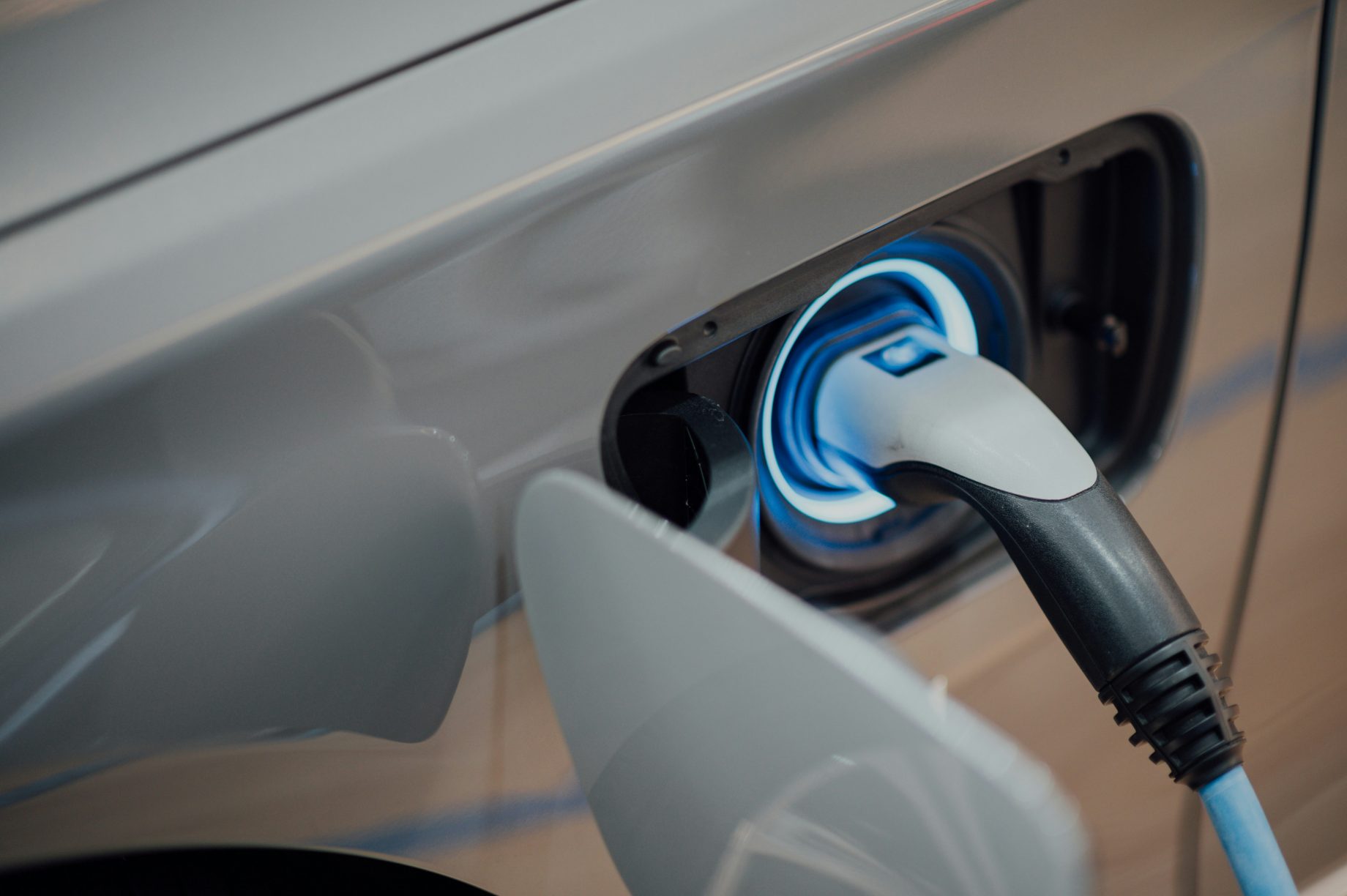
Over 2,500 new electric vehicle (EV) chargers are being pushed onto New Zealand roads, financed through interest-free government loans handed to just two companies.
Transport Minister Chris Bishop and Energy and Climate Change Minister Simon Watts announced that $52.7 million in zero-interest loans will go to ChargeNet and Meridian Energy, who are co-investing $60 million of their own money.
The two companies were chosen through a competitive, value-for-money bidding process.
“The private sector is reluctant to invest in charging infrastructure until there’s sufficient demand, but demand won’t grow until the lack of public chargers stops putting buyers off,” Bishop said.
The 2,574 new charge points include 1,374 DC fast chargers and 1,200 AC chargers. DC fast chargers deliver power directly to EV batteries, charging cars in 20 to 60 minutes—ideal for highways and short stops—while AC chargers are slower, suited for longer stays at workplaces, shopping centres, and residential areas.
“About half the new chargers will be spread across Auckland, Hamilton, Tauranga, the Wellington region, Christchurch, and Dunedin, with the other half throughout the regions, so drivers outside the main centres will benefit too,” Bishop explained.
Currently, New Zealand has just over 1,800 public charge points, one of the lowest charger-to-EV ratios in the OECD. With 161 more points already underway, the national total will reach around 4,550 once the new investment is completed. The government aims for 10,000 chargers by 2030—roughly one charger per 40 EVs.
Bishop noted that rising fuel prices and global instability have prompted more Kiwis to consider EVs. “In February 2026, EV sales were up 10.5% on the same month last year – and anecdotal evidence suggests even greater interest over the past couple of weeks as conflict in the Middle East has seen fuel prices increase.”
A lack of public chargers has been the primary barrier for prospective EV buyers. Concessionary loans strategically lower the cost of capital, bringing forward private investment while minimising taxpayer exposure.
“In this case, the average loan per charge point is $20,000, but once repayments are factored in, the net cost to the Crown is around $10,000 per charger, roughly a quarter of what a direct grant would cost.”
Bishop said expanding the charging network lets more New Zealanders choose EVs, saving families money and improving emissions. EVs produce at least 60% fewer lifecycle emissions than petrol vehicles.