

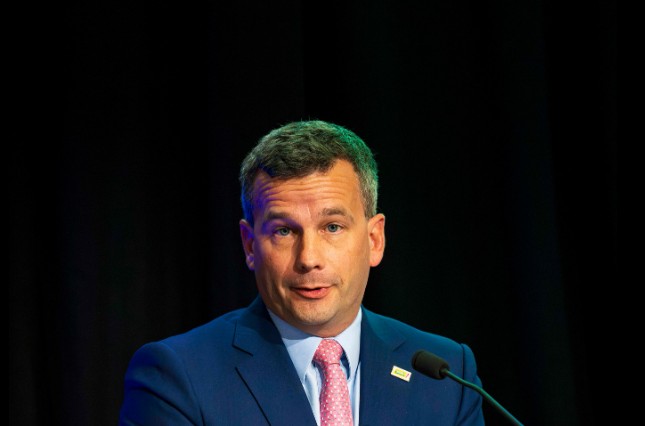
Associate Education Minister David Seymour has announced that financial support for early childhood education (ECE) services will now begin in July 2026, six months earlier than the previously planned start date of January 2027.
Most early childhood education (ECE) services will see a 1.5% increase in subsidy rates from July 2026. While the adjustment usually flows through to providers the following January, this year services will receive the uplift from July.
The change is expected to inject an additional $40 million annually into the ECE sector.
“ECE in New Zealand should be affordable, high quality, and accessible. New Zealand’s future relies on it,” Seymour said.
“When ECE services face cost pressures, they have two options: pass costs on to parents, or give up features of their service that are no longer financially viable. Neither of those options are good enough for Kiwi families.”
“ECE services shouldn’t have to make either of those decisions. That’s why we brought forward support. Usually it would come in January 2027, but we recognise the urgency. Services will get it in July 2026.
“We have also reformed ECE sector regulations to raise the quality of ECE and make it more affordable. “
“Last year we completed the ECE Sector Review to reduce compliance costs but keep children’s safety at the forefront.”
“The review instigated 15 changes to make it easier to open and run high-quality centres. This leads to more choice and better access for parents.”
“The Ministry for Regulation went straight to the source and asked the sector what’s increasing costs and limiting competition,” Seymour said. The changes reflect feedback from providers nationwide, who have raised concerns about unclear rules, inconsistent advice from different agencies, and excessive red tape.
The changes include reducing the number of licensing criteria by almost 20%, with 58 criteria simplified to cut unnecessary compliance requirements and give services more flexibility.
A new director of regulation will be established, and regulatory responsibilities will be shifted from the Ministry of Education to the Education Review Office (ERO) to strengthen oversight.
Graduated enforcement tools will also be introduced to allow for more proportionate responses to breaches of licensing criteria. Previously, enforcement options were limited and did not adequately address minor issues or support early intervention.
“These reforms make it easier to open and run high-quality centres, which means more choice and better access for parents. This is part of the government’s wider commitment to smarter, more effective regulation that encourages growth,” Seymour added.