

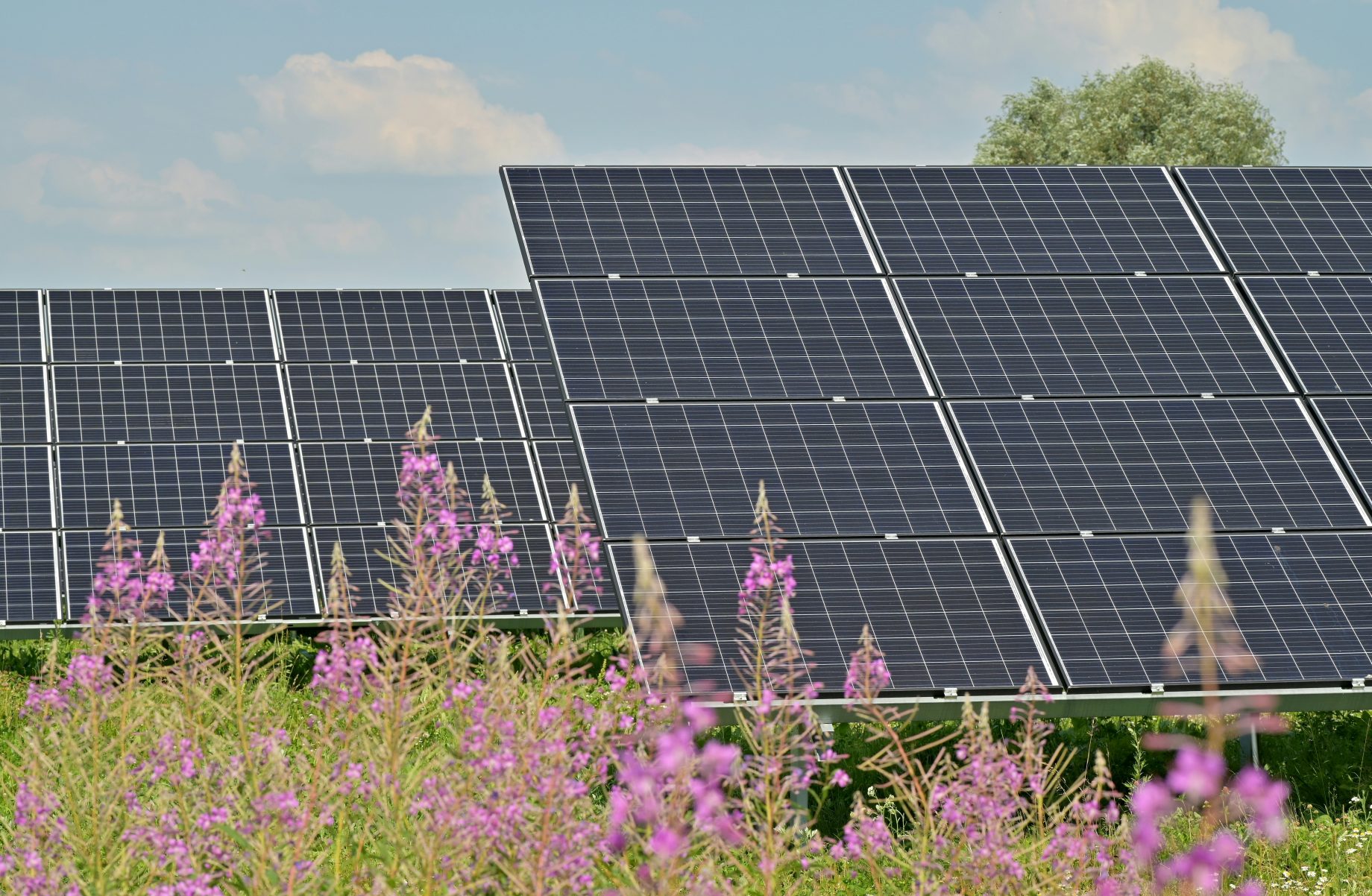
From 1 April 2026, a regulatory change will force electricity distributors to provide rebates for power exported to the grid during peak demand periods.
Under this mandate, electricity networks nationwide are obliged to pay rebates, yet there is no guarantee that all power retailers will pass these payments transparently to consumers in a clearly itemised manner, leaving homeowners to navigate a confusing system imposed from above.
Examples cited include Vector offering 5.24 c per kWh for exports during certain morning and evening peak hours, WEL Networks offering 6.35 c per kWh, and Powerco offering 7 c on weekdays, while Scanpower’s rebate rate reaches 13 c.
As mandated, the Electricity Authority says rebates must be paid by distributors when households and small businesses with a connection size up to 45 kVA and export capacity up to 45 kW supply power at peak demand.
Larger electricity companies are also being pressed to offer time‑of‑use pricing plans that supposedly “encourage” customers to shift usage off‑peak.
“Effective from 1 July 2026, the Electricity Authority’s new regulations regarding export rebates will require retailers to offer time-varying plans that ‘provide a financial benefit’ to customers for export patterns that reduce pressure [on] the electricity system, including at peak times,” Genesis chief revenue officer Stephen England-Hall said.
Mercury discusses how it uses a range of inputs, including expected wholesale costs and rebates, to set buyback rates; and Meridian reports offering 17 c per kWh for solar exports across all periods of the day.
Some energy retailers, such as Octopus, have publicly stated that the full rebate will be passed on once it becomes available and that rebate levels will vary by network depending on grid value and seasonal conditions.