

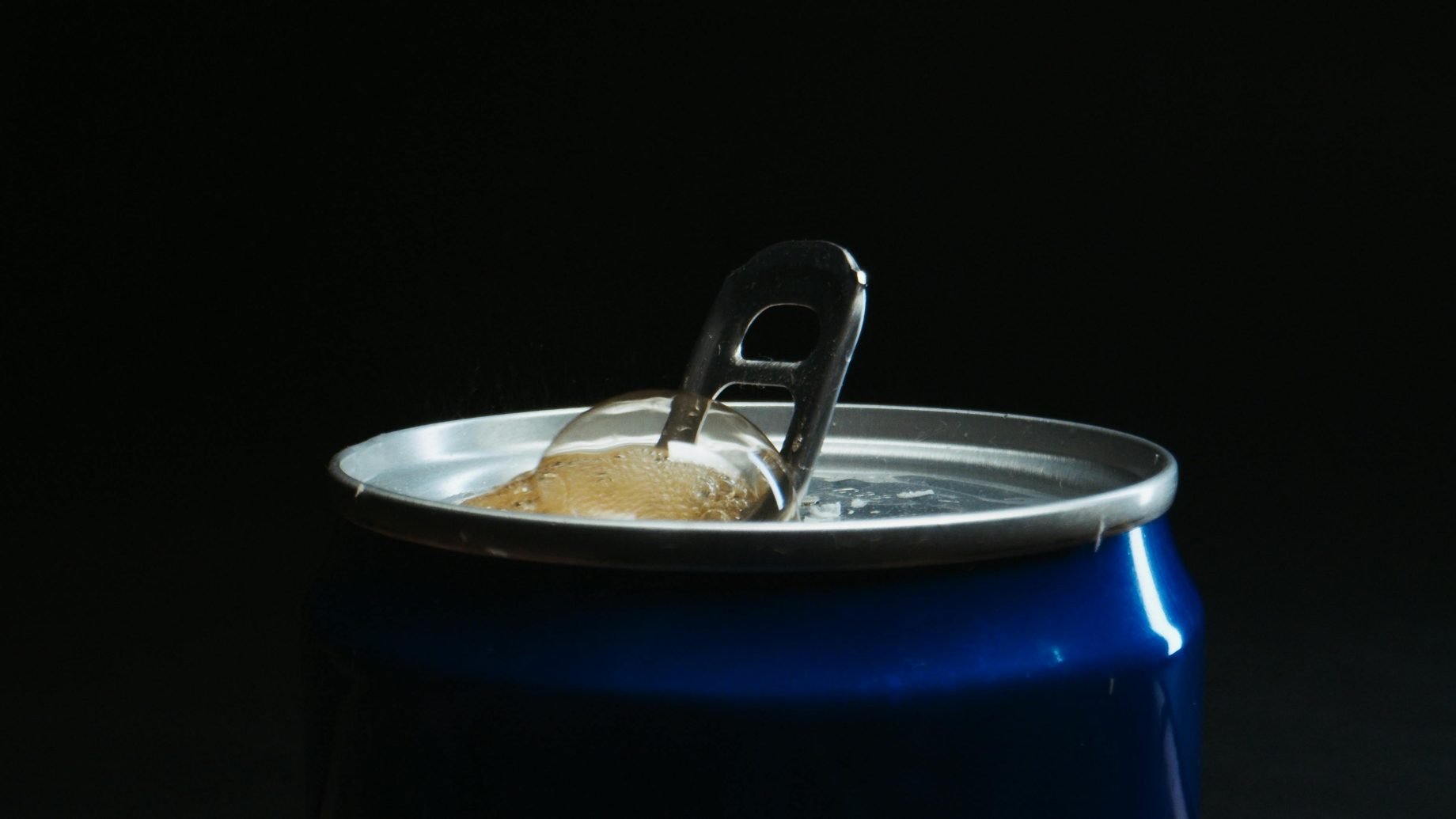
Researchers are developing a method to guarantee a steady supply of carbon dioxide (CO₂) for various manufacturing industries, such as the food and beverage sector.
In 2023, shortages of natural gas impacted food-related industries that rely on CO₂ by-products for producing carbonated drinks and preserving meat freshness.
It is also used in manufacturing dry ice to maintain food quality during transport and in enhancing the growth of greenhouse fruits and vegetables.
A collaborative effort among multiple research and educational institutions is underway to develop a greener alternative by using post-harvest wood waste, commonly called slash, as a resource.
The slash would be harvested and combusted in a specially designed boiler that generates both CO₂ and heat, which could then be utilised to power a factory or produce electricity.
University of Canterbury Associate Professor David Dempsey explained that the CO₂ project is part of a broader initiative aimed at efficiently storing carbon gas emissions underground as a key strategy in New Zealand’s journey toward achieving net zero carbon emissions.
“The bigger project that we’re working on is the goal of taking a million tonnes (of CO₂) out of the atmosphere and putting it underground, and doing that every single year,” Dempsey said.
“What we’re looking to do is… slice a little bit off and sell it to growers. That might improve the economics of it for everyone.”
He said the research will explore the feasibility of producing food-grade “green” CO₂ along with other industrial by-products.