

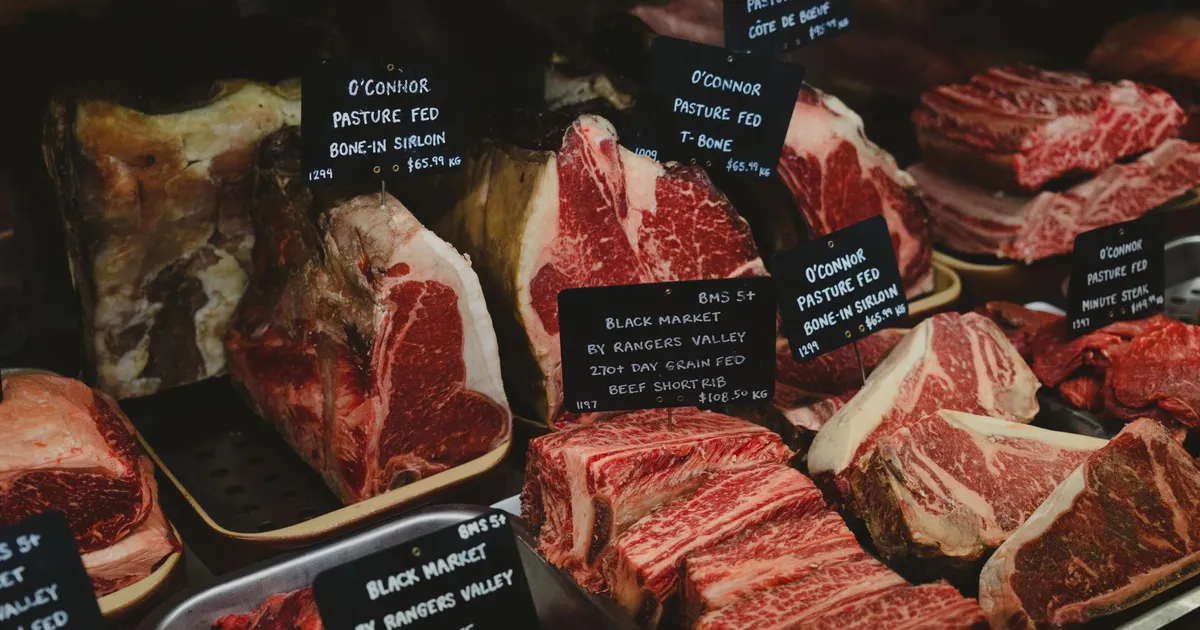
Weight-loss drugs were supposed to be bad news for anyone who sells food. For New Zealand exporters, the evidence keeps pointing the other way. Rabobank’s new report, New Zealand’s protein moment, argues GLP-1 medications are reshaping what high-income consumers buy, and the shift favours what this country already does well: high-quality protein, fresh fruit and dairy ingredients with a nutrition story attached.
The drugs are not niche. US surveys suggest nearly one in eight adults has used one for weight loss. Report author Jen Corkran, Rabobank’s senior animal protein analyst, says users eat less but demand does not fall evenly, because protein is being positioned as essential for preserving muscle during weight loss. Her framing is the one exporters should pin to the wall: “The commercial signal is not simply more protein or more meat. It is about useful, high quality protein that delivers nutrition, convenience, eating quality and value for a smaller appetite.” She is equally clear that today’s prices are a separate story, with global beef production about 2% down on last year and simply not enough red meat to go around.
Smaller appetites, sharper choices
The household data supports the thesis. In 2025, RaboResearch general manager Stefan Vogel cited a large US study finding households with a GLP-1 user cut grocery spending by roughly 6% within six months, with chips, sweet bakery goods and soft drinks falling sharply while high-protein dairy, fresh produce and nutrition bars edged up. His verdict at the time: “The winners are producers of fresh produce and high protein foods and food supplements.”
Kiwi shoppers are following the same pattern. NielsenIQ’s 2026 research found GLP-1 awareness has reached 77% of New Zealand consumers, and 52% of users actively seek high-protein products against 39% of non-users. Users have not given up on pleasure, either. 83% still experience cravings and 73% enjoy trying new meals and snacks, which leaves room for premium indulgence, not just diet ranges. The loser is the calorie-dense, processed middle of the supermarket. New Zealand barely plays there.
The drugs are also firmly mainstream at home. PHARMAC’s obesity advisory group reviewed a semaglutide application for chronic weight management in December 2025.
Dairy is already spending the money
The dairy sector is not waiting for permission. In May the NZ Herald reported milk production up 5% this season, with whey now mainstream in infant formula, sports bars and snacks. Processors are going further up the value chain. Yili Oceania chief executive Alex Turnbull has described bioactive protein demand moving from a bodybuilder niche to the mainstream, partly on the back of GLP-1 use.
Fonterra has put capital behind the call. Chief executive Richard Allen says “we’re well beyond a fad”, and the co-op is putting $1 billion into South Island plants partly to grow its higher-value protein portfolio, after its ingredients business delivered $163 million in earnings growth in the 2026 financial year. The shift has reached hospitality too: a third of 70 restaurants surveyed by the Restaurant Association said customers directly mentioned GLP-1 use when ordering.
The stakes are national
This is not a boutique opportunity. Beef + Lamb New Zealand found the red meat sector generated $17.5 billion of GDP in 2025 and supported 120,580 full-time-equivalent jobs. Back in December 2024, MPI calculated food and fibre made up 81.1% of goods exports in the year to June 2024. A structural change in how wealthy consumers eat lands on the core of the export economy.
A supply squeeze is not a strategy
Here is the part the cheerier coverage skates past. Strong red meat returns right now owe more to scarcity than to Ozempic. Corkran expects tight supply to last two to three years, alongside rising input costs and volatility, and warns: “Tight supply may support farmgate prices for a time, but proven value is what is more likely to keep customers with us as the cycle turns.” Horticulture shows what proven value looks like. Rockit Apples chief executive Grant McBeath told RNZ GLP-1 is driving growth in fruit and vegetables, and credits resealable tube packaging with making the healthy snack the easy choice. Zespri chief marketing officer KokHwee Ng points to consumers becoming more selective about nutrient density, a trend Zespri is backing with its EU-recognised gut-health claim for green kiwifruit and its Grown for Good platform.
That is the playbook: evidence behind the nutrition claim, provenance buyers can verify, formats built for smaller appetites, and a wider spread of markets. Exporters who bank this season’s prices and change nothing are betting the supply shortage outlasts them. Those who spend the windfall building the next one will still be selling at a premium when the cycle turns, and the GLP-1 consumer will still be at the shelf, reading the label.
Sources
- RNZ: Rise of GLP-1 unlocking new opportunities for New Zealand’s premium food exports (2026-10-20)
- Rabobank: Every bite counts – GLP-1 weight loss medicines and the future of food (2025-11-25)
- NielsenIQ: New pathways to growth in New Zealand (2026)
- PHARMAC: Record of the Obesity Treatments Advisory Group meeting held on 11 December 2025 (2025-12-11)
- NZ Herald: New Zealand dairy and meat farmers are cashing in on a world hungry for protein as weight-loss drugs drive up demand (2026-05-20)
- NZ Herald: Whey protein boom – weight-loss drugs drive demand for New Zealand dairy (2026-08-13)
- The Post: Fonterra cashes in on nutritional needs of those on weight-loss medications (2026-09-27)
- Beef + Lamb New Zealand: Economic and social value of New Zealand’s red meat sector (2026-06)
- MPI: Situation and Outlook for Primary Industries December 2024 (2024-12)
Join the discussion
Add useful context, ask a good question, or challenge an idea — keep it specific and respectful.