

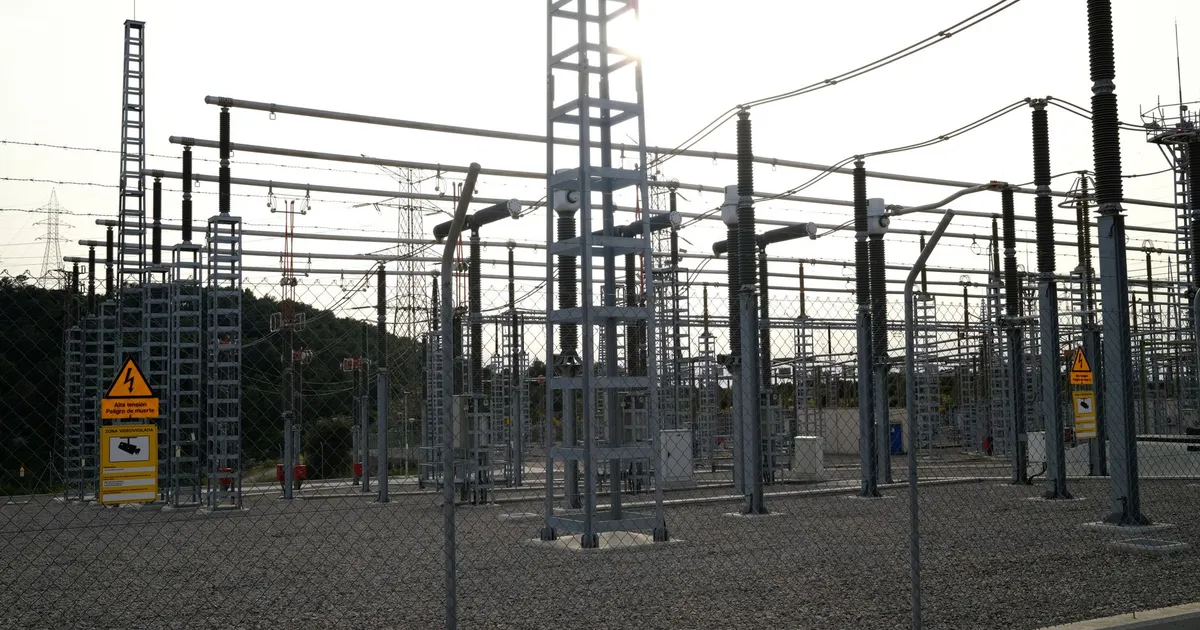
The Commerce Commission has given draft approval for Orion New Zealand to spend about $1.3 billion over five years, about 11% or $210 million less than the $1.51 billion the Christchurch lines company asked for. That is a real haircut, and the regulator deserves credit for it. But for the 235,000-plus homes and businesses on Orion’s network, the headline number that matters is the bill, and it is still going up by around $21 a month by 2032.
There is no alternative supplier to switch to. Orion is a regulated natural monopoly. Whatever the Commission signs off on is what central Canterbury pays.
The regulator earned its keep
It is worth being clear about what the Commission actually did. Orion’s June application sought spending roughly 20% above the default price path, and under that plan the full monthly bill was projected to climb about $33 a month by 2032. Cutting that to $21 is roughly a third off the consumer impact. That is not a rubber stamp.
Associate Commissioner Nathan Strong made the case for the rest on resilience and growth, pointing to population growth in Selwyn and exposure to earthquakes and severe weather. “While affordability of electricity is important, it’s also crucial we support lines companies to invest to ensure our electricity networks are safe, reliable, and future-proofed,” Strong said. He said the network is performing well today, but many assets are reaching the end of their physical lives, and the Commission was satisfied most of the replacement spend was needed.
That argument is hard to dismiss. Christchurch knows better than anywhere what happens when infrastructure fails under stress. Underinvesting now just shifts a bigger, uglier bill onto the next decade. The Commission will also require Orion to report publicly on progress, which matters, because approved capex and delivered capex are not the same thing.
The first year does the damage
The pain is not spread evenly. The Commission’s own breakdown has the rise at just under $10 a month in the first year from April 2027, then about $3 a month in each of the following four years. Oddly, when the Commission began assessing the larger $1.51 billion ask in August, it estimated a first-year hit of about $7.50 a month. A smaller package now produces a bigger opening jump, a product of how the increases have been smoothed.
For businesses, that front-loading lands at an awkward moment. Orion’s residential delivery charges already rose 13.7% from 1 April 2026, independent of this process. Commercial connections face their own tariff schedules, but the direction is the same. A café, cool store or small manufacturer in Christchurch is looking at two consecutive years of network-driven increases, with no lever to pull other than using less.
Lines, not generators, now set the price
This is not just a Canterbury story. NZIER says national electricity prices rose 11% in the year to March 2026, and that “network costs are becoming the main driver of price increases over the next few years, while generation costs stabilise.”
That reframes the power-price debate. Political energy has gone into generators, gentailers and dry-year risk. The next wave of increases is coming through poles, wires and substations built decades ago, plus the extra capacity electrification demands. Orion is simply the first fully costed preview. Every other lines company facing ageing assets and growth will be making a similar case, and households and firms elsewhere should expect similar maths.
To its credit, the Commission factored in Orion’s plans to use rooftop solar, batteries, EVs and flexible demand as alternatives to pure network build. That is the right instinct. The cheapest substation is the one you never need to build, and businesses with flexible load could eventually be paid to provide it.
Ratepayers are on both sides of the ledger
There is one more wrinkle. Christchurch City Council owns 89.3% of Orion, with Selwyn District Council holding the rest. Cantabrians pay the higher bills, and as ratepayers they also indirectly own the asset collecting them. Councils that lean on Orion dividends should be asked plainly how much of this investment is being funded by customers versus shareholders accepting lower returns.
What happens next
This is a draft. Submissions will follow before a final decision, and Orion will no doubt push to claw back some of the $210 million. Businesses that care about their input costs should take part, because the Commission has shown it will cut where the case is weak.
The bigger lesson is for budgeting. Treat network charges as a rising fixed cost for at least the rest of the decade, in Canterbury and beyond. The regulator can trim the bill. It cannot make ageing infrastructure free.
Sources
- NZ Herald: Orion’s $1.3b investment plan gets draft approval, Canterbury power users face $21 monthly bill rise (2026-11-09)
- interest.co.nz: Commerce Commission trims Orion NZ’s $1.5 billion investment plan (2026-11-10)
- Commerce Commission: Orion’s CPP 2027 (2026-11-10)
- Commerce Commission: Commission begins scrutiny of Orion’s proposed $1.51 billion investment (2026-08-05)
- The Press: Another power bill hike looms for Canterbury families (2026-06-17)
- Orion: Customised Price Quality Path Main Proposal – June 2026 (2026-06)
Join the discussion
Add useful context, ask a good question, or challenge an idea — keep it specific and respectful.