

The mirage in the March numbers
Stats NZ’s electronic card spending data for March 2026 looked almost reassuring on the surface: retail spending up 0.7% on February. But the number was inflated by a 17% surge in fuel spending that masked what was actually happening at the till. Strip fuel out and overall card spending fell 0.1% month-on-month.
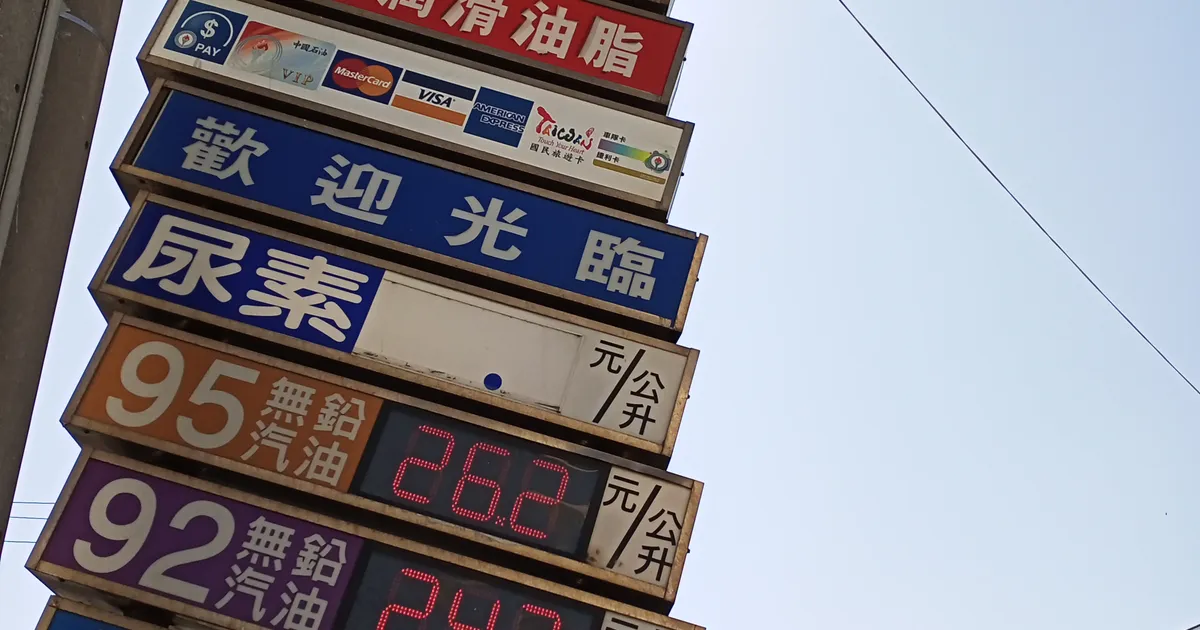
The fuel shock itself was historic. Petrol prices rose 18.6% in a single month and diesel rose 42.6%, the largest increases for both fuel types since Stats NZ started publishing monthly price movements in 2011, driven by the Middle East conflict.
Retail NZ Chief Executive Carolyn Young called the headline growth figure “a mirage”, estimating that core retail spending actually dropped 1.2% year-on-year once fuel was stripped out. “Every extra dollar spent on transport is a dollar lost to a local retailer,” she said. “After several years of tough trading for retailers, many don’t have the financial reserves to weather another sustained setback.”
Paying more, getting less
The Westpac Retail Spending Pulse for May, published on 7 May, confirms the damage carried into April. Per-person card spending fell 0.1% after seasonal adjustment, tracking sideways since January. Fuel spending rose another 6% in April on top of March’s 17% jump, with pump prices above $3 per litre.
The critical detail is the gap between spending and volume. Fuel spending is up 20% year-on-year but actual fuel volumes are down about 5%. Households are paying dramatically more for less. Brad Olsen, Chief Executive at Infometrics, quantified the demand destruction: total fuel spending in March was just over $580 million, about 10% higher than a year earlier, with prices about 14% higher and volumes declining about 4%.
The discretionary categories tell the rest of the story. Travel fell 15% in April, with sharp declines in airfares and travel agent spending. Hospitality dropped 2.4% month-on-month in March. Apparel fell 4.2%. Even grocery spending, while up 0.7%, is shifting to home brands and budget options as households trade down.
Fuel landed on an already bruised consumer
The pump price shock didn’t arrive in isolation. Q1 2026 CPI data shows annual inflation at 3.1%, near 18-month highs. Electricity prices are up 12.5% year-on-year, the single biggest contributor to annual CPI. Council rates are up 8.8%. Meat and poultry are up 8.6%.
Olsen told RNZ that pricing pressures were already “higher than anticipated, despite a still fledgling economic recovery”, and that the fuel crisis compounded an existing problem rather than creating a new one.
Westpac senior economist Darren Gibbs put the transmission mechanism simply: “High fuel prices will continue to siphon money out of households’ pockets and higher transport costs will add to production costs for various goods and services, significantly undermining consumer confidence.”
Interest rate hikes would turn a squeeze into a crunch
The BNZ Monthly Overview forecasts headline inflation reaching a 4.5% year-on-year peak in Q2 2026. Westpac’s May Pulse reaches the same conclusion. Financial markets are pricing in three OCR increases to 3% this year, starting around mid-year.
For consumer-facing businesses, the arithmetic is grim. Households are already cutting discretionary spending to absorb fuel, electricity and food cost increases. If the Reserve Bank raises rates on top, mortgage holders get hit with a third front. Olsen warned that the combination of collapsed confidence, fuel costs and potential rate hikes “does make for a pretty challenging position”.
Who gets hurt first
The spending data points to a clear hierarchy of pain. Travel and tourism operators face the sharpest immediate hit, with a 15% April decline that shows households cancelling discretionary trips first. Hospitality and apparel follow closely. Premium food and beverage brands face margin pressure as supermarket shoppers trade down to budget lines.
Retail spending growth is likely to remain subdued through the middle of the year. The official recession headlines may still be months away, but for any business that depends on discretionary household spending, the recession at the till has already started.
Sources
- RNZ: Surge in fuel prices largest increase since Stats NZ data began in 2011 (2026-04-17)
- RNZ: Fuel price pressure could mean May OCR increase, top economist says (2026-04-24)
- BNZ Monthly Overview – April 2026 (2026-04-20)
- Westpac Retail Spending Pulse – May 2026 (2026-05-07)
- RNZ: Inflation steady at 3.1 percent in first three months of 2026 (2026-04-13)