

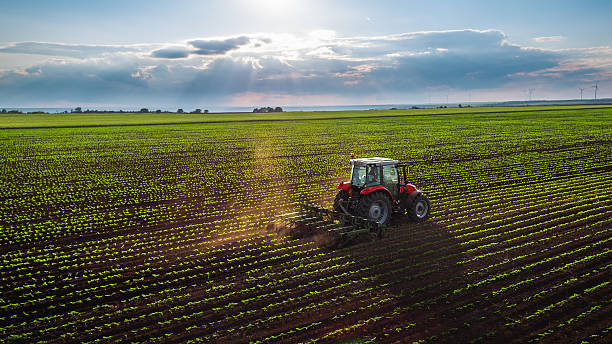
A Canterbury farming advocate has warned that crop farming may have no long-term future, as increasing numbers of arable farmers switch to dairy conversions.
The warning follows Environment Canterbury issuing more than 50 dairy effluent discharge consents over the past two years, enabling more farms to convert to dairy operations.
The consents included 22 in Ashburton and 20 in Selwyn, with a further 19 applications still under review.
“At the end of the day, it comes down to survivability for many farmers and what land-use options remain financially viable,” Federated Farmers’ Arable Group chairperson David Birkett said.
Birkett said dairy conversions have increased since temporary freshwater regulations aimed at controlling intensification expired two years ago, making the process easier and less costly for some farmers.
“Some are applying for consents now simply to keep their options open — they have up to five years to use them.”
Birkett said crop farmers saw little indication that conditions would improve, as dry weather, rising fuel and machinery costs, and ongoing crop damage continued to weigh on the sector.
“A few days of heavy rain or hail might affect a dairy farmer for a short period, but for a crop farmer it can wipe out an entire year’s income.”
“They feel like converting is abandoning their industry, but sometimes there’s little option left.”
Dairy farming was also increasingly viewed as the safer and more profitable option. Converting an arable farm to dairy required investment in infrastructure, staffing, and changes to land use.
Birkett said converting a 400-hectare arable farm to dairy could cost around $10 million, and once that decision is made, it is often difficult to reverse.
“At the moment, dairy offers stronger and more reliable returns,” he said.
Macfarlane Rural Business’ farm management consultant Jeremy Savage said he has been involved in more than 50 farm conversions throughout his career. He said converting from arable to dairy typically costs between $20,000 and $25,000 per hectare, while building a dairy shed can take about 18 months from planning to completion.
Savage said returns from arable farming have become increasingly difficult to sustain, while operating costs have continued to rise.
“The cost of replacing headers and tractors has risen 40 to 50% over the past few years, while profit margins haven’t kept pace,” he said.
Despite the scale of the transition, Savage said many farmers successfully make the move to dairy.
“Arable farmers often make very good dairy farmers because they already have strong attention to detail and good farm management systems.”
He said feedback from farmers who have converted has generally been positive, with some going on to expand their operations and acquire additional land.