

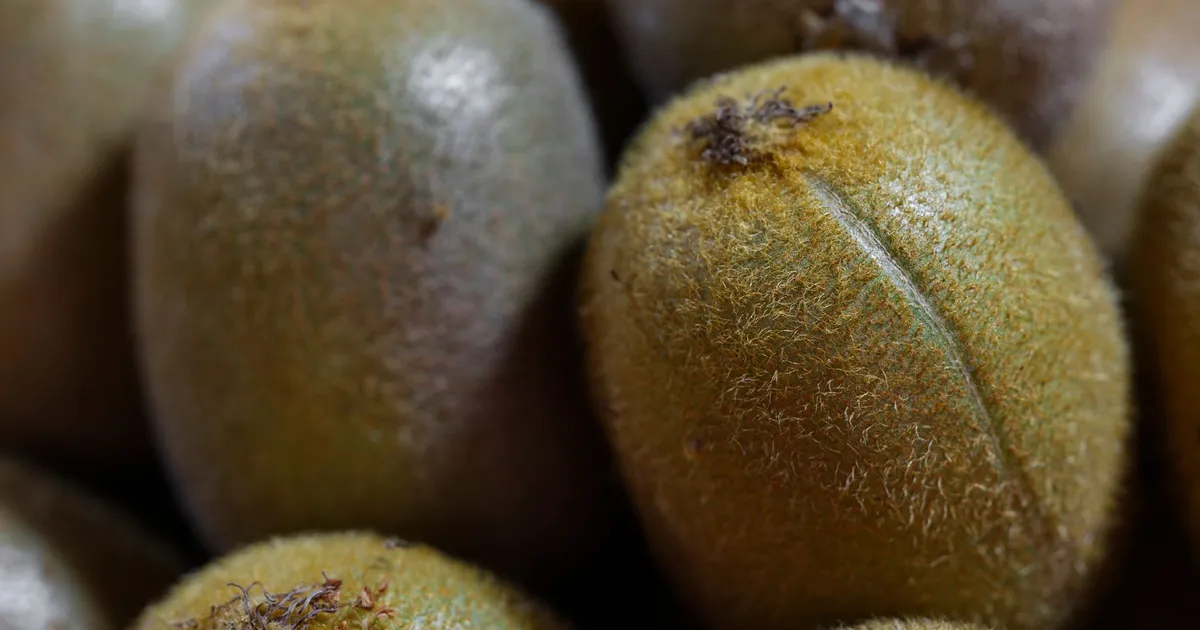
New Zealand’s fresh produce exporters have posted the kind of result the rest of the economy would happily trade places for. United Fresh figures show export earnings reached $7.32 billion, up 7%, led by kiwifruit up 14% to $4.2 billion and apples up 6.1% to a record $1.31 billion. Fresh and processed potatoes also hit a record $155 million. Add $2.55 billion of domestic spending and the industry is worth $9.87 billion, with Asia taking 55% of exports.
This is not a currency fluke or a one-season commodity spike. It is a premium product meeting a structural shift in what the world wants to eat, and it deserves to be read for what it is, a win.
Health is doing the selling
Horticulture New Zealand chief executive Kate Scott told Newstalk ZB’s Mike Hosking that New Zealand fruit is top tier on quality, consumers are responding, and there is further upside as people around the world chase healthier lifestyles.
The most interesting part of that health story is one most coverage has skipped. Weight-loss drugs are reshaping supermarket aisles. “GLP-1 absolutely is a global phenomenon that is changing categories in supermarkets and health shops… it’s absolutely driving growth in fruit and vegetables,” Rockit Apples chief executive Grant McBeath told RNZ last month. “We believe our product is ideally suited for those consumers that want a healthy, unprocessed snack.”
Zespri chief marketing officer KokHwee Ng said GLP-1 users are becoming “more selective and intentional about their nutritional consumption”, and that European Commission recognition of kiwifruit’s contribution to normal bowel function is giving Zespri science-backed claims to sell on.
That is the real moat. When appetite shrinks, people eat less, but they eat better. Processed snacks lose shelf space, and nutrient-dense whole foods with verifiable health credentials gain it. Zespri spent years building exactly that evidence base. It is now paying off independent of the exchange rate.
A trajectory, not a lucky year
The momentum is not new. Stats NZ reported fruit exports passed $6.1 billion in the year to November 2025, up 28%, with kiwifruit and apples making up more than 90% of value. In July, the Ministry for Primary Industries’ SOPI report forecast total primary sector exports of $64.3 billion for the year to June 2026, with its broader horticulture category tipped to reach $9.5 billion. That is a different scope and year-end from the United Fresh figure, but both point the same way.
United Fresh president Jerry Prendergast says the sector is on track to meet the Government’s goal of doubling exports by 2034, with kiwifruit leading the charge. Back in 2024, then-Westpac industry analyst Paul Clark said horticulture was “punching above its weight” on export revenue, crediting demand for high-quality, health-beneficial fruit, while warning that supply growth would be the swing factor on prices. Two years on, the demand side of that call has held up.
Margins tell a tougher story
The topline is strong. The farmgate is tighter. The same United Fresh report shows fresh produce prices rose just 2.2% while growers’ costs climbed 6.2%, with fuel up 59.3%, fertiliser up 16.5% and freight up 12.5%. Processed vegetables are in genuine trouble, with four processing factories announcing closures.
Scott flagged this in March 2026, writing that “strong export numbers don’t always translate into improved profitability at the farmgate” unless growers can manage costs and risks. The gains are concentrated in branded, premium fruit. Commodity vegetables competing on price are not sharing in them. That is the lesson, not a caveat.
Quality beat protection
For a centre-right audience, this is about as clean an export story as New Zealand produces. Nobody subsidised kiwifruit into a $4.2 billion business. It got there on quality, branding, market access and science-backed marketing. In 2025, HortNZ’s annual report described a sector of more than 4,300 commercial growers and 40,000 jobs on roughly 80,000 hectares, and was pushing freshwater rule changes to allow crop rotation and move vegetable growing away from resource consents.
That is where policy earns its keep. The sector does not need handouts. It needs consenting that lets growers plant, biosecurity that keeps pests out, and trade deals that keep Asian and European doors open.
What doubling actually requires
Hitting the 2034 target will depend less on demand, which looks structurally secure, and more on whether growers can add supply without being eaten alive by fuel, fertiliser and freight bills. The GLP-1 shift hands New Zealand a rare tailwind that does not depend on the dollar or the commodity cycle. The businesses that capture it will be the ones that sell nutrition, not just tonnage. Kiwifruit and apples have shown how it is done. The rest of the sector now has a template.
Sources
- United Fresh: NZ Fresh Produce Exports Reach $7.32 Billion, On Track to Double by 2034 (2026-11-16)
- Newstalk ZB: Fruit and vege sector bolstered by global shift towards healthier eating (Kate Scott) (2026-11-17)
- Newstalk ZB: Produce exports on track to double by 2034 – report (Jerry Prendergast) (2026-11-16)
- RNZ: Rise of GLP-1 unlocking new opportunities for New Zealand’s premium food exports (2026-10-20)
- Stats NZ: Fruit exports surpass $6 billion for the year ended November 2025 (2025-12-19)
- The Press: Hitting a record high, again (2026-07-02)
- Rural News Group: Big future for hort (2024-10-08)
- HortNZ: Horticulture in New Zealand has real momentum (2026-03-02)
- HortNZ: Annual Report to 31 March 2025 (2025-03-31)
Join the discussion
Add useful context, ask a good question, or challenge an idea — keep it specific and respectful.