

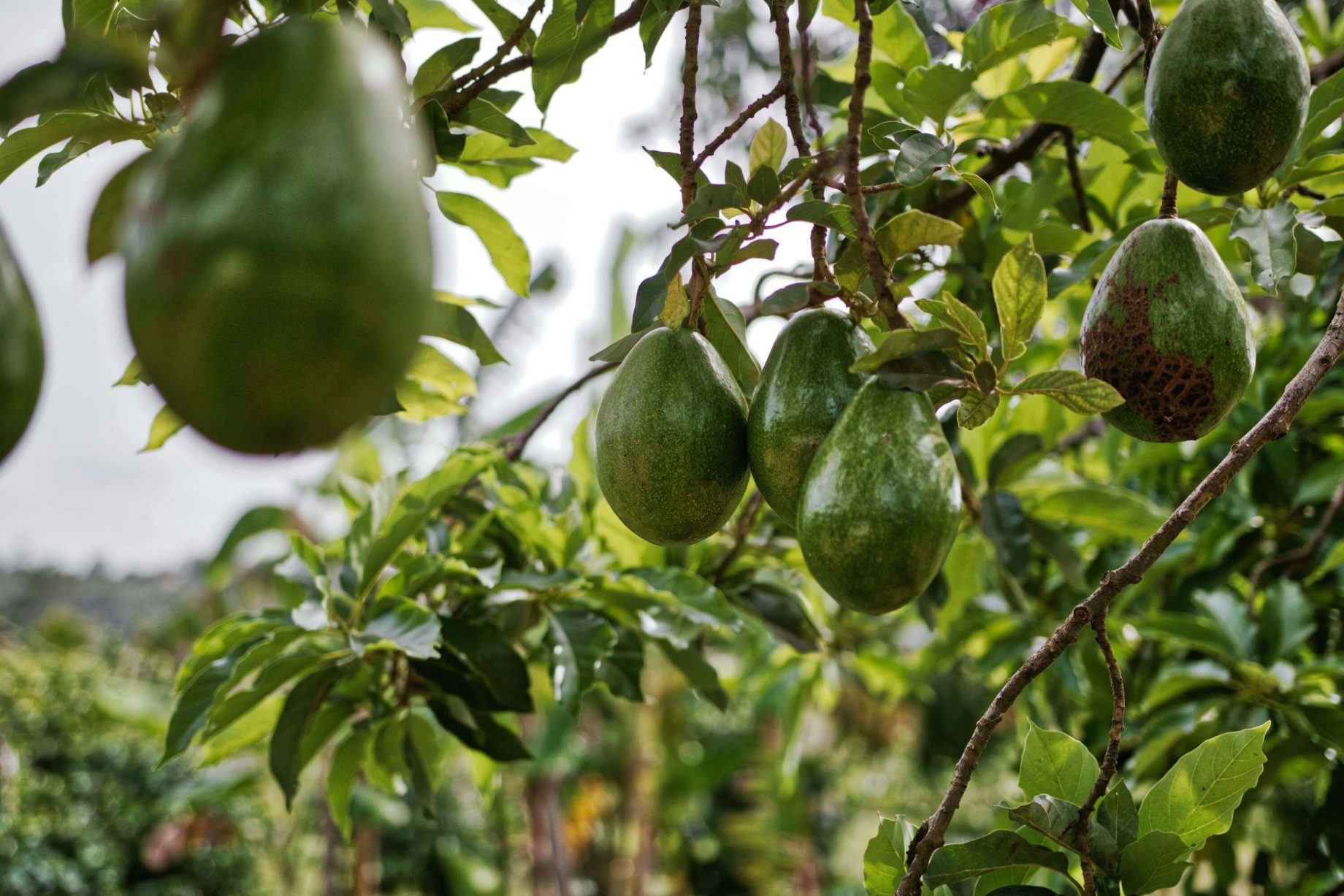
The new avocado export season is progressing, with picking underway since last month. NZ Avocado CEO Brad Siebert said exports should be “well under way” despite expectations of lower harvest volumes.
Strong Growing Conditions Offset Lower Volume Forecast
“Early estimates have overall industry volumes slightly down from last season,” Siebert said. “However, the better growing conditions experienced are expected to improve export pack-outs and fruit quality, pointing to the potential of similar or even improved export volumes from past seasons.”
Key growing regions saw strong flowering and fruit set, with crop estimates holding steady despite expected impacts from ex-Cyclone Tam in Northland and Whangārei.
Growers Prepare as Revenue Forecast Holds Steady
Forecasted avocado export revenue stands at $107 million through to June 2026, down just 0.3% from the previous season. Growers are engaged in testing maturity levels, completing compliance procedures, and working with packhouses and exporters.
Global Demand Drives New Export Strategy
Global interest in avocados is rising, driven by nutrition trends since according to Siebert, “Global demand for avocados is increasing as consumers seek healthy fats and plant-based nutrition, with New Zealand uniquely positioned to supply avocados during off-peak seasons.”
Exporters are reducing shipments to eastern Australia and increasing supply to North America in response to seasonal competition.
Exporters Boost Sector Growth Through Market Diversification
New Zealand’s avocado exporters are tapping into a wider array of markets than ever before, helping to boost long-term growth. “Exporters continuing to grow relationships in a diverse range of markets will support the long-term growth of the sector,” said Siebert.
Export revenue to Australia surged 320% to $63 million as of March 2025. North American markets also saw major gains, with Canada up 619% to $3.8 million and the United States up 596% to $500,000.
US Tariff Changes Have Minimal Impact on NZ Avocados
Tariff changes in the US are not expected to significantly affect New Zealand avocados. While a 10% ad valorem tariff on the free on board (FOB) sale price will apply, Mexico and Canada are exempt under the USMCA.
“Mexico is the dominant supplier of avocados to the US, and they, along with Canada, have exemptions from the 10% baseline tariff for goods [like fresh produce] that meet the US-Mexico-Canada Agreement [USMCA],” Siebert said.
He noted that New Zealand is still on a “reasonably equal playing field” with most other origins exporting to the US.
Asian Export Revenue Rises as Demand Increases
Export revenue from Asia rose 96% to $40 million by March 2025. The increase reflects growing demand and strengthened trade relationships, with the region continuing to gain strategic importance.
Domestic Market Remains Key Amid Export Growth
While exports dominate, domestic consumption is a key part of the industry’s equation. Export rates, historically at 70%, have dropped closer to 50% in recent seasons due to factors like storm-affected pack-out rates and natural fruiting cycles.
“Fruit entering the domestic market, primarily as a result of export packing, goes through retail, e-commerce and local sales, with lower-grade fruit being sent for processing to produce avocado cooking oil and other value-added products,” said Siebert.
Adverse weather in 2023 and 2024 reduced export volumes however the current season is benefiting from improved growing conditions and trade diversification, positioning the industry for renewed growth.